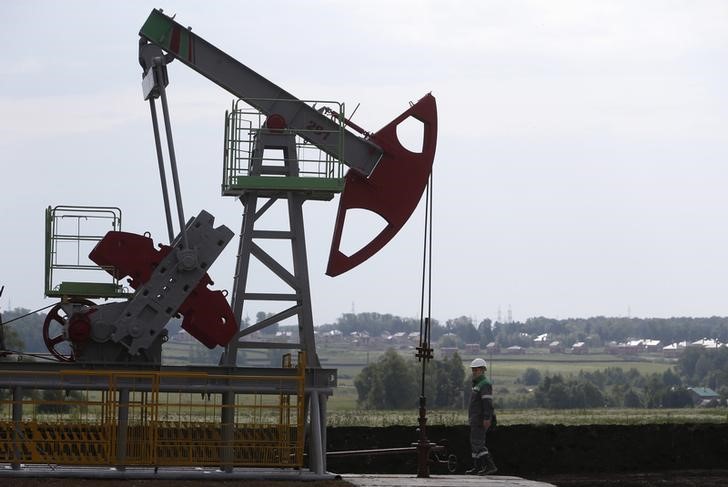
Oil prices rose modestly amid U.S.-China trade talks in London and stalled U.S.-Iran nuclear negotiations, with Brent and WTI crude futures both gaining 0.5% to $67.40 and $65.61 per barrel, respectively. Trade talks aim to resolve export control disputes, particularly over rare earths, while the lack of progress in U.S.-Iran nuclear negotiations supports prices by keeping sanctions on Iranian oil in place, preventing increased supply.
Oil prices exhibited modest upward momentum in Asian trading, with Brent Oil Futures for July delivery increasing 0.5% to $67.40 per barrel and West Texas Intermediate (WTI) crude futures also rising 0.5% to $65.61 per barrel, marking a fifth consecutive gain and building on a more than 4% increase from the previous week. This price support is attributed to two primary geopolitical factors: ongoing U.S.-China trade discussions in London and a lack of significant progress in U.S.-Iran nuclear negotiations. Senior U.S. officials, including Treasury Secretary Scott Bessent and Commerce Secretary Howard Lutnick, are engaging with Chinese Vice Premier He Lifeng to address tariff rollbacks, export controls on key goods like rare earths, and broader bilateral trade issues. According to ING analysts, apparent progress in these talks, including a potential U.S. willingness to ease some tech export restrictions in exchange for China easing limits on rare earth exports, is providing market support by potentially alleviating pressure on global trade flows and commodity demand. Conversely, the stalemate in U.S.-Iran nuclear talks is also contributing to price firmness. Iran's plan to submit a counter-proposal via Oman regarding the nuclear deal signals continued dialogue, but unresolved uranium enrichment issues mean sanctions likely remain, thereby constraining Iranian oil supply from re-entering the market. ING analysts noted that Iran's unwillingness to compromise on uranium enrichment, a stance unacceptable to the U.S., provides tailwinds for prices. These developments occur against a backdrop where crude markets have faced pressure from global trade uncertainties, weak Chinese macroeconomic indicators, and steadily increasing production from OPEC+ throughout the year.
AI-powered research, real-time alerts, and portfolio analytics for institutional investors.
Overall Sentiment
moderately positive
Sentiment Score
0.50
Ticker Sentiment
