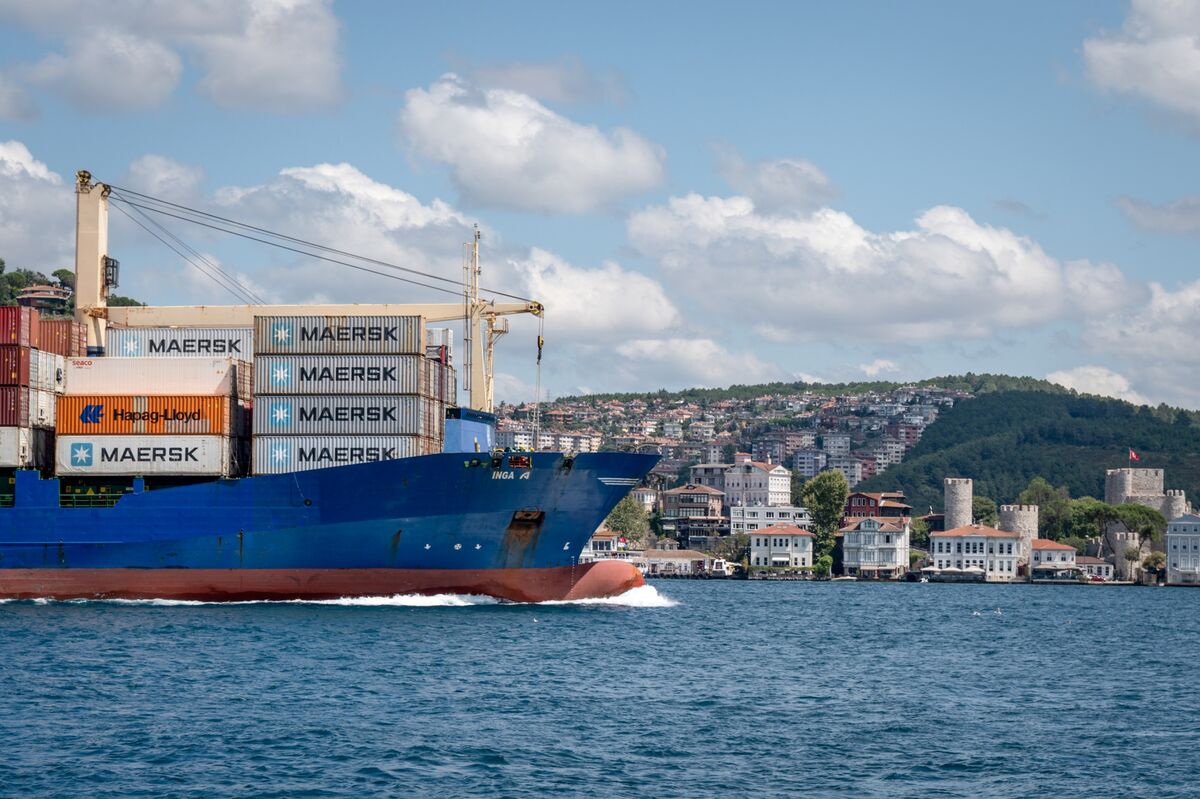
Turkey has expanded shipping restrictions between its ports and Israel, reinforcing its May 2024 trade ban imposed over the Gaza conflict. This measure aims to close reported loopholes, such as cargo redirection through third countries, despite official statistics already indicating zero direct trade. The tightening underscores Turkey's commitment to the embargo and could further disrupt indirect trade channels between the two nations.
Turkey is escalating its economic pressure on Israel by expanding shipping restrictions, a move designed to enforce a comprehensive trade ban first implemented in May 2024. While official statistics already reflect a cessation of direct trade, these new measures specifically target loopholes, such as the rerouting of cargo through third countries, which have reportedly allowed some commercial flows to persist. This tightening of the embargo underscores a hardening of Turkey's geopolitical stance regarding the conflict in Gaza and is likely to further disrupt any remaining indirect supply chains between the two nations. The strongly negative sentiment scores for both Israeli ETFs (EIS, ISRA at -0.7) and the Turkish ETF (TUR at -0.4) indicate that investors perceive this development as detrimental to both economies, introducing direct economic headwinds for Israel and heightening geopolitical risk and uncertainty for Turkey.
AI-powered research, real-time alerts, and portfolio analytics for institutional investors.
Request DemoOverall Sentiment
strongly negative
Sentiment Score
-0.60
Ticker Sentiment
