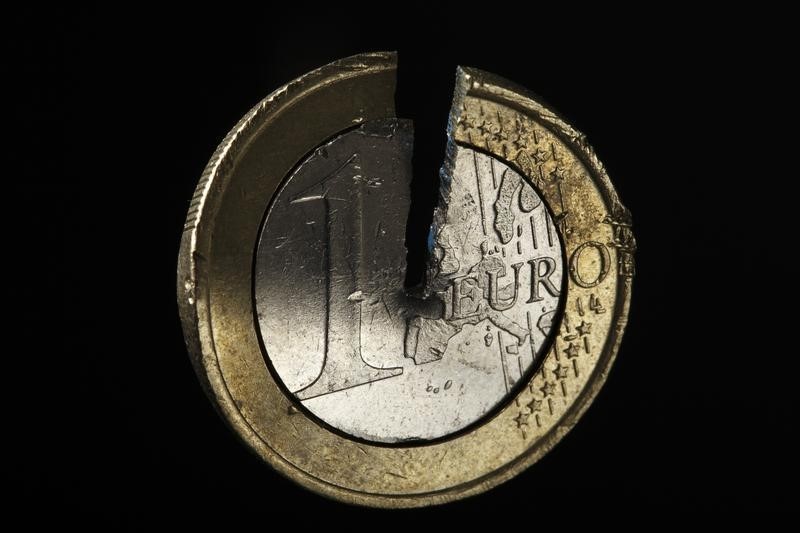
The ECB raised interest rates for the first time in nearly three years, a move aimed at containing inflation before higher energy costs from the Iran conflict feed through the euro zone. The euro fell 0.15% to $1.1518 while the dollar hovered near a two-month high as traders balanced ECB tightening against escalating U.S.-Iran tensions. Markets showed limited immediate reaction, with the geopolitical backdrop and policy shift keeping risk sentiment cautious and volatile.
The market is telling us that geopolitics is now being treated as a volatility input, not a regime change — and that matters. When a headline shock fails to produce follow-through in FX or rates, it usually means positioning had already moved defensively and real-money accounts are waiting for confirmation from physical flows, not rhetoric. The dollar’s resilience still fits the classic safe-haven template, but the more interesting second-order effect is that energy-linked inflation risk is re-entering Europe faster than growth risk, which keeps the ECB boxed in even if activity data softens.
The biggest cross-asset loser is not Europe broadly, but rate-sensitive European domestic cyclicals that face a dual squeeze: tighter policy transmission plus higher imported energy costs. That combination tends to widen dispersion inside the euro area, favoring defensives and exporters with USD revenue while punishing consumer discretionary, autos, and small caps with limited pricing power. In the U.S., elevated geopolitical risk is more supportive for the dollar than for equities, but it also raises the odds of a flatter U.S. yield curve if growth-sensitive sectors start discounting a demand hit from higher fuel prices.
The contrarian read is that the move in the euro may be underdone if the market is still treating the ECB hike as bullish for the currency. If energy passes through to European terms of trade, rate support gets overwhelmed quickly; the currency is likely to trade more off current-account risk and gas/oil sensitivity than nominal policy differentials. On the other hand, if the ceasefire stabilizes, the dollar’s recent bid can unwind fast because the geopolitical premium is being funded through crowded long-USD positioning rather than structural growth outperformance.
AI-powered research, real-time alerts, and portfolio analytics for institutional investors.
Overall Sentiment
neutral
Sentiment Score
-0.08
