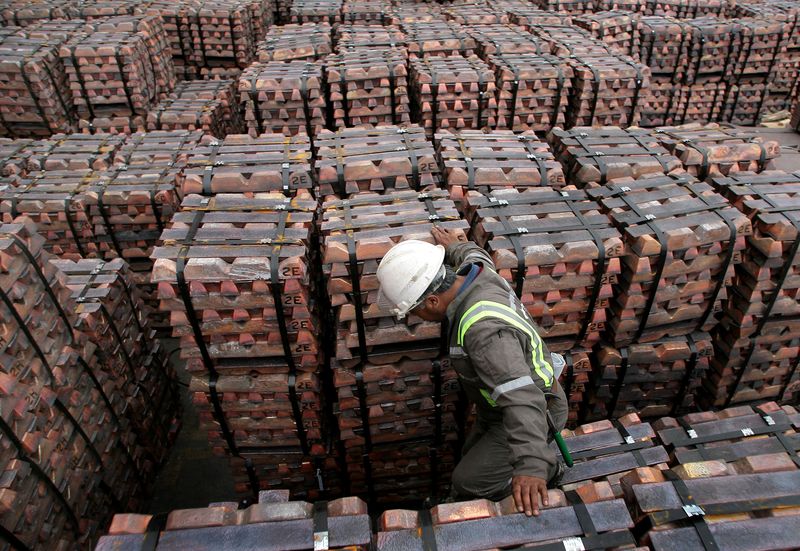
Global defense spending, propelled by NATO's commitment to 5% GDP by 2035, is significantly increasing demand for critical metals like aluminum and copper, with projections showing substantial growth by 2030 as military outlays shift towards metals-intensive equipment. This rising demand, alongside China's near-monopoly on rare earth elements and recent export restrictions, intensifies geopolitical risks to supply chains, prompting Western nations to accelerate efforts to secure domestic and diversified sources for these strategic materials.
Rising global defense spending, underscored by NATO's commitment to allocate 5% of GDP to defense by 2035, is creating a secular growth trend for critical metals. The demand for aluminum and copper from the defense sector is projected to reach 1.6Mt and 553Kt respectively by 2030, a significant increase from 2009 levels, driven by a shift toward metals-intensive hardware. This trend is particularly pronounced in the U.S., where defense already accounts for 9.6% of national copper demand and 7.1% of aluminum demand in 2024. A critical vulnerability exists within the supply chain for rare earth elements (REEs), essential for modern military systems like the F-35 fighter jet. China's market dominance, controlling 69% of global REE production and 99% of heavy REE processing, coupled with recent export restrictions, presents a significant geopolitical risk to Western nations. In response, the U.S. is actively promoting domestic production through executive orders, directly supporting companies like MP Materials, while Europe has established the €150 billion SAFE fund to bolster its own defense infrastructure and supply chains. While defense remains a small portion of total metals consumption, its strategic importance and intensifying demand signal a structural shift with long-term implications for commodity markets and supply chain security.
AI-powered research, real-time alerts, and portfolio analytics for institutional investors.
Overall Sentiment
moderately positive
Sentiment Score
0.35
Ticker Sentiment
