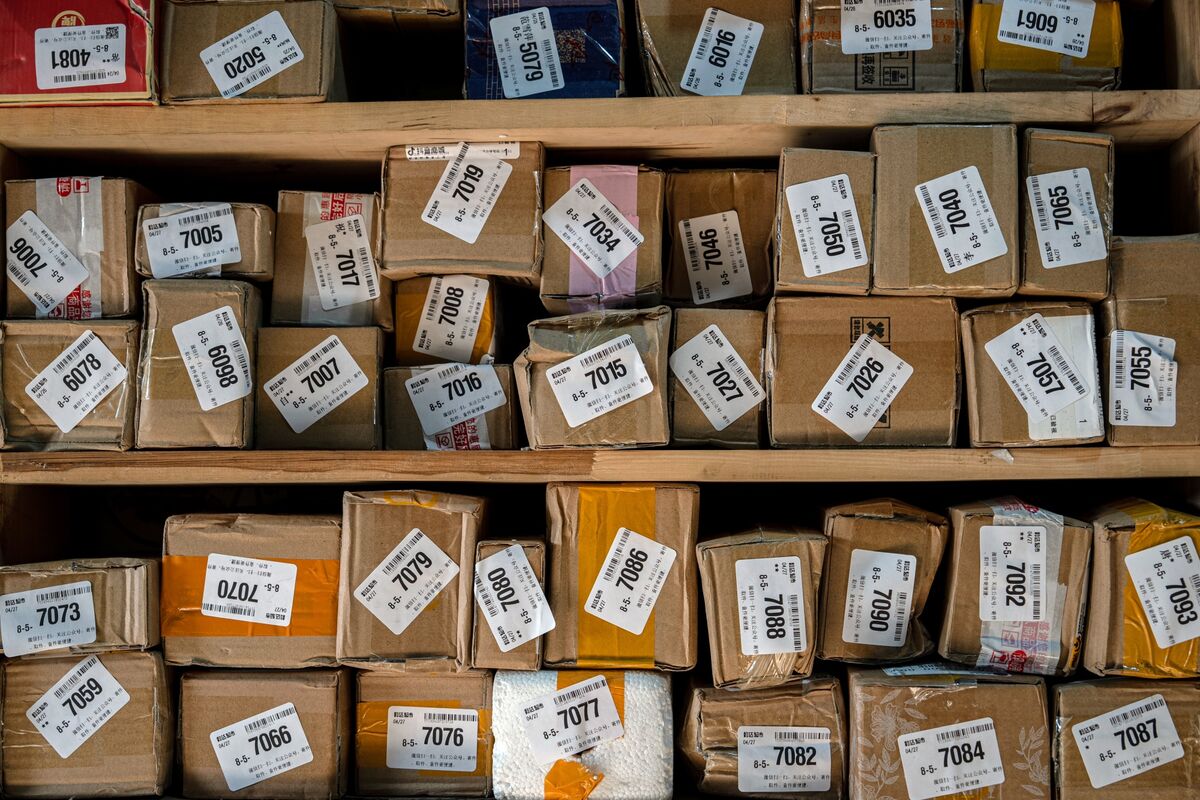
Taiwan's state-owned Chunghwa Post has suspended small parcel deliveries to the US, effective Tuesday, citing the Trump administration's termination of the 'de minimis' duty exemption for low-value goods. This disruption stems from the global postal system's current inability to facilitate sender-prepaid customs duties, highlighting a significant logistical challenge for cross-border e-commerce and merchandise flow between the two nations.
The suspension of small parcel deliveries to the United States by Taiwan's state-owned Chunghwa Post Co. represents a significant logistical disruption stemming directly from a change in US trade policy. The termination of the 'de minimis' duty exemption by the Trump administration has exposed a critical vulnerability in the global postal system, which, according to the announcement, lacks the infrastructure to facilitate sender-prepaid customs duties. This is not a political move but an operational failure, immediately severing a key channel for low-value merchandise trade between Taiwan and the US. While the overall market impact score is low at 0.25, the moderately negative sentiment score of -0.4 accurately reflects the acute friction for businesses reliant on this specific trade lane, particularly in the cross-border e-commerce sector. The event serves as a tangible case study of how tariff and trade policy adjustments can create immediate, real-world bottlenecks in supply chains when logistical systems are not equipped to adapt.
AI-powered research, real-time alerts, and portfolio analytics for institutional investors.
Request DemoOverall Sentiment
moderately negative
Sentiment Score
-0.40
