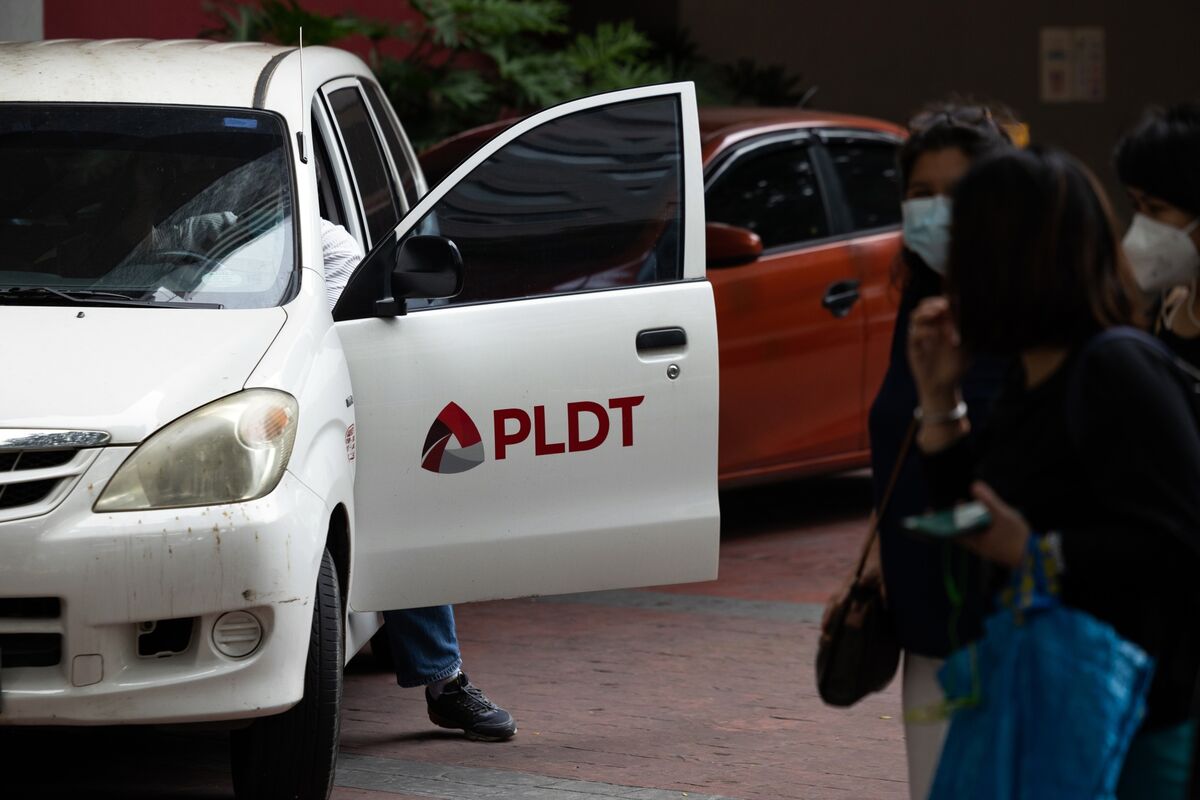
PLDT plans to raise $300 million to $400 million through a REIT listing tied to its data center business, with board approval already in place. The move taps strong investor demand for technology and AI-linked assets and could unlock value from VITRO, which operates the largest data center network in Southeast Asia. The announcement is supportive for PLDT, but the near-term market impact is likely limited until deal terms are finalized.
This is less about a one-off capital raise and more about monetizing a scarce digital infrastructure asset at a time when private market appetite is still assigning premium multiples to AI-adjacent capacity. The key second-order effect is that a listed vehicle can re-rate the underlying data-center platform from a utility-like telecom asset into a quasi-infrastructure growth asset, which should lower the parent’s balance-sheet intensity and increase optionality for further buildout. If execution is clean, the market may start capitalizing the subsidiary on forward contracted EBITDA rather than historical telecom cash flow, which is a meaningful multiple expansion path over 6-18 months.
The main beneficiary beyond the parent is the domestic ecosystem of power, fiber, cooling, and construction vendors tied to data-center expansion; this could also tighten local capacity and make existing hyperscale-ready facilities more valuable. The loser is any competing regional data-center operator trying to raise growth capital in the same window, because a successful listing validates the scarcity premium for the largest operator and can compress access to capital for smaller peers. A subtle risk is that a REIT structure can force more explicit yield discipline, potentially reducing the ability to reinvest aggressively unless management pairs the listing with a credible pipeline of accretive asset transfers.
Consensus may be underestimating how much of the valuation uplift is already in the asset base versus new growth from AI demand. If the listing is priced aggressively, near-term upside could be capped by yield sensitivity and broader rate moves, since REIT buyers will still anchor on distribution yield even for an AI narrative. The real catalyst over the next 3-12 months is not the IPO itself but whether anchor tenancy, power availability, and expansion capex can support sustained double-digit FFO growth; without that, the market may quickly revert from “AI scarcity” to “just another listed property vehicle.”
From a trading standpoint, this is a better medium-term ownership story than a short-term pop trade: near-term enthusiasm can be monetized by the seller, but the compounding opportunity sits in a cleaner capital structure and higher multiple on the remaining stake. Any disappointment in pricing, float size, or regulatory timing would likely hit the stock first, while successful execution should bleed through to sector comps over several quarters rather than days.
AI-powered research, real-time alerts, and portfolio analytics for institutional investors.
Request DemoOverall Sentiment
mildly positive
Sentiment Score
0.35
Ticker Sentiment
