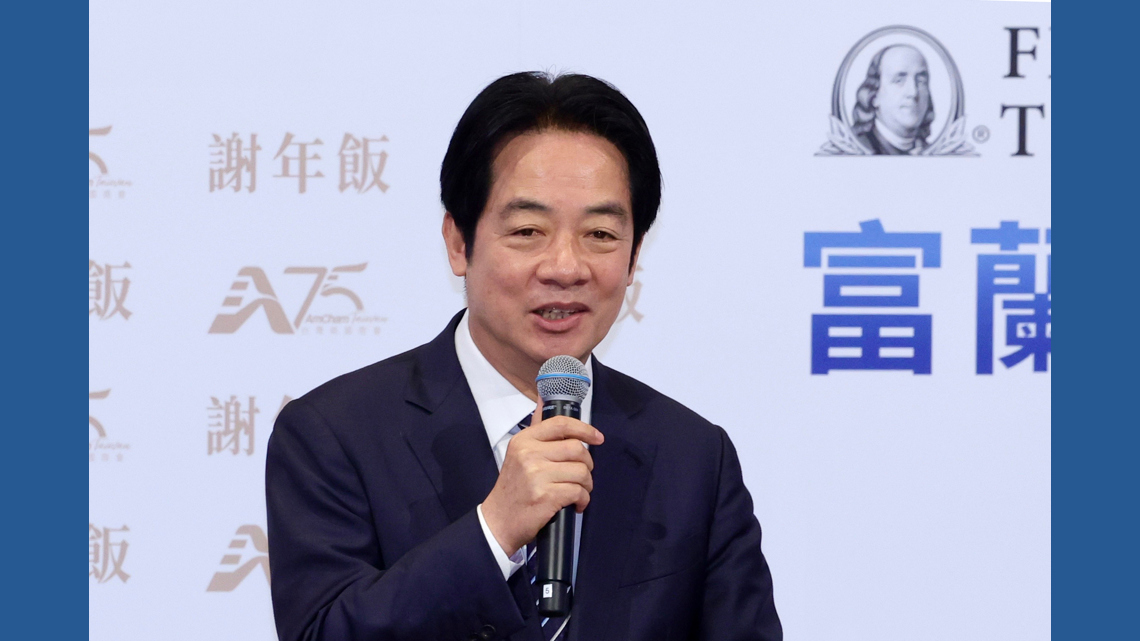
Taiwan President Lai Ching-te postponed his April 22-26 visit to Eswatini after Seychelles, Mauritius and Madagascar canceled overflight permits, which Taipei says followed Chinese pressure and economic coercion. The episode highlights Beijing's continued campaign to squeeze Taiwan's diplomatic space, with Taiwan now retaining formal ties with only 12 countries. Market impact is limited, but the geopolitical tension adds to regional risk sentiment.
This is less about Taiwan’s diplomacy and more about Beijing demonstrating it can impose friction on third countries at near-zero cost, even outside the first island chain. The second-order effect is a widening of perceived sovereign-risk premia for small EMs that rely on Chinese financing and tourism: governments may increasingly self-censor on Taiwan-related issues to avoid permit denials, project delays, or trade headaches. That dynamic benefits Beijing’s long game because it converts a one-off travel disruption into a standing deterrent for other states contemplating symbolic support for Taipei.
The near-term market impact is mostly sentiment-driven, but the durable signal is for EM assets linked to countries vulnerable to Chinese leverage. Aviation and tourism exposure is the subtle loser: route uncertainty and bilateral permission risk can distort flight planning, raise operating costs, and reduce premium-demand confidence on niche diplomatic/business routes. More importantly, this reinforces a broader pattern where geopolitical shock is transmitted through administrative channels rather than sanctions, making it harder for markets to price and hedge ex ante.
The contrarian view is that the headline may be overread as a fresh escalation when it is really a continuation of a long-running pressure campaign. Unless it coincides with a broader diplomatic break or trade retaliation, the tradable impact should fade within days; the real risk is over months if smaller states begin preemptively switching recognition or restricting Taiwan-linked engagement. If anything, repeated coercion may harden sympathy for Taiwan in parts of the West, but that is a slow-burn narrative with limited direct market translation unless it feeds into defense or semiconductor policy.
AI-powered research, real-time alerts, and portfolio analytics for institutional investors.
Request TrialOverall Sentiment
mildly negative
Sentiment Score
-0.25
