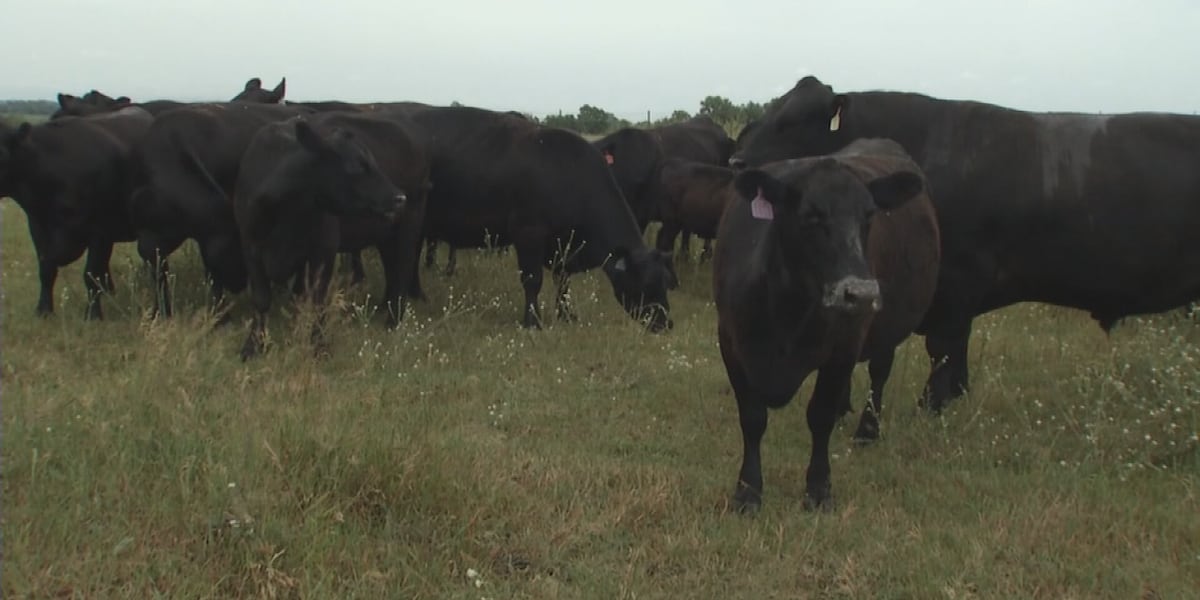
Ground beef prices hit a record $6.90 per pound in April, making Memorial Day cookouts more expensive for consumers. The article cites drought, higher fuel and fertilizer costs, and cattle herd constraints as supply-side pressures, while also highlighting market concentration among beef processors. The impact is mainly sector-specific and consumer-facing rather than broad market-moving.
This is less a one-off grocery inflation story than a margin-transfer problem: the pain is being pushed upstream to ranchers and downstream to consumers while the processing layer retains pricing power. That matters because the bottleneck sits in a relatively concentrated part of the chain, so even if live cattle prices soften, retail prices can stay sticky for multiple quarters. The near-term implication is not just higher basket inflation, but also a wider dispersion between what consumers pay and what producers receive, which can pressure political scrutiny of meat packers before it meaningfully changes supply.
The supply response is slow enough that this can persist through the entire summer grilling season and likely into next year. Herd rebuilding is a multi-year process, and the bigger second-order risk is that high input costs discourage expansion just as drought risk keeps forage availability uncertain. That means the market is vulnerable to a squeeze where even modest weather deterioration or fuel spikes trigger another leg up in protein inflation, while any relief from feed costs would lag by several months.
The contrarian angle is that the trade may be more about timing than direction: consumers may trade down from beef sooner than equity investors expect, which could cap discretionary volume growth at restaurants and grocers even if sticker prices remain elevated. That creates a potential winner/loser divergence between upstream protein inflation beneficiaries and downstream food-service names with less pricing power. The most interesting asymmetry is that packer margin pressure and antitrust risk could rise simultaneously, making the middle of the supply chain more fragile than the headline beef price suggests.
AI-powered research, real-time alerts, and portfolio analytics for institutional investors.
Overall Sentiment
moderately negative
Sentiment Score
-0.35
