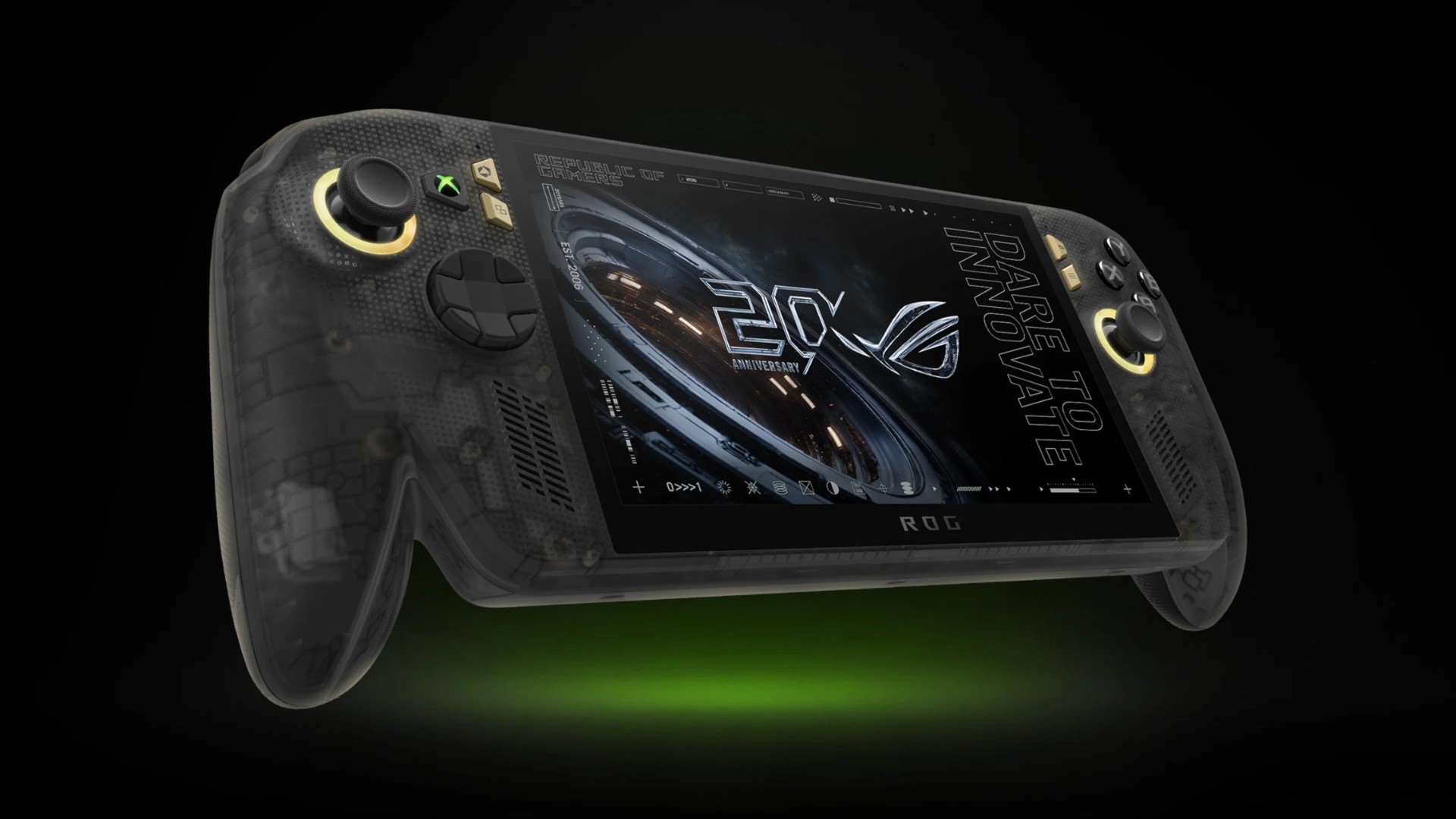
Early previews of the ROG Xbox Ally X20 are notably positive, with reviewers praising the redesigned ergonomics, TMR joysticks, transforming d-pad, and larger 7.4-inch OLED screen versus the prior 7-inch IPS panel. Tom's Guide says Asus made 'small but very noticeable changes,' while ETA Prime says the device addresses basically every complaint about the original. No price or release date has been announced, but the product is expected to launch later in 2026.
The market read-through is less about one handheld refresh and more about signal quality: when a hardware incumbent can visibly fix the top three friction points in one cycle, it improves the odds that the ecosystem remains sticky enough to sustain accessory attach, software engagement, and repeat upgrade behavior. That is bullish for the platform owner, but the bigger second-order winner is the component stack behind premium handhelds—OLED panels, haptics/controls, and thermals—because OEMs will feel pressure to copy the design language rather than compete on price alone.
The key dynamic is that this is a premiumization event, not a unit-volume shock. A better screen and ergonomics can lift ASPs and margin mix if consumers accept the upsell, but it also raises the bar for competitors: any weaker refresh now looks dated, which can compress sell-through for mid-tier Windows handhelds over the next 2–3 quarters. If this product lands close to launch expectations, it could force rivals into discounts or bundle-heavy promotions, which would hit channel inventory values before it shows up in headline demand metrics.
The contrarian risk is that preview enthusiasm can overstate addressable demand. Handheld gaming is still constrained by battery life, thermals, and software friction; a nicer panel can actually worsen perceived power efficiency if frame rates do not improve alongside the display. The real catalyst window is not the reveal, but the first 30-60 days after pricing and availability are announced: if the price comes in above the psychological threshold for impulse buyers, the upgrade narrative will fade quickly and the stock reaction should mean-revert.
From a portfolio perspective, this is a better expression through suppliers than through the OEM headline itself. The trade is to own the premium component beneficiaries into the launch cycle, then fade any retailer or hardware OEM enthusiasm if channel checks show forced bundling or discounting. The upside case is a sustained premiumization cycle into 2026; the downside case is that this becomes a niche enthusiast refresh that improves reviews but not sell-through.
AI-powered research, real-time alerts, and portfolio analytics for institutional investors.
Request DemoOverall Sentiment
moderately positive
Sentiment Score
0.45
Ticker Sentiment
