The slow global deployment of nuclear energy is primarily attributed to persistent cost and schedule overruns, rather than safety concerns, political will, or regulatory hurdles. To address this, the industry must adopt modern project management practices, including rigorous upfront planning with complete designs, robust workforce development, integrated project delivery models for aligned incentives, and advanced digital tools. Recent legislative actions, such as new nuclear tax credits in H.R.1 and the proposed Accelerating Reliable Capacity (ARC) Act, aim to de-risk new nuclear investments by addressing these financial uncertainties and incentivizing project completion.
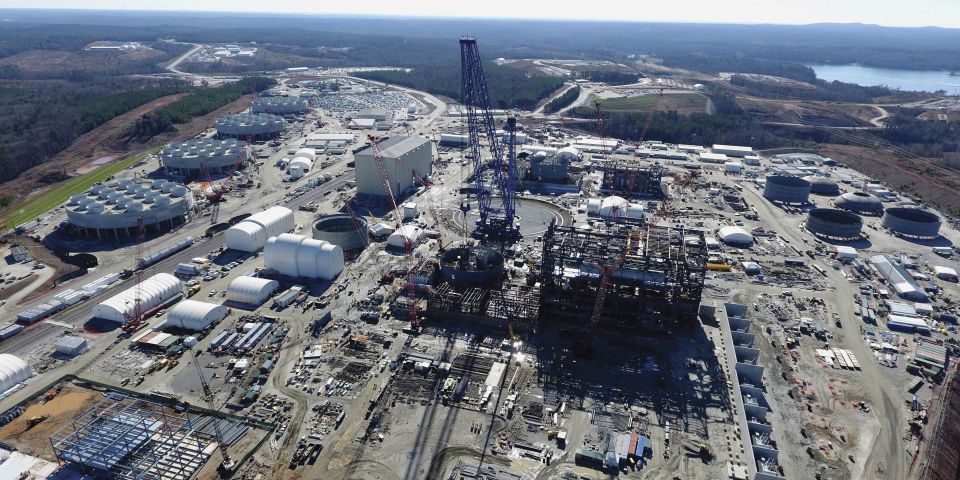
The primary impediment to the large-scale deployment of nuclear energy is not safety, political will, or regulation, but the significant financial risk associated with cost and schedule overruns. The industry's historical performance is mixed; while projects like Palo Verde (1986) were completed on budget, more recent high-profile projects such as Vogtle-3 and -4 in Georgia were completed seven years late at more than double their initial cost, and France's Flamanville-3 is 12 years late and three times over budget. These overruns stem from root causes including commencing construction with incomplete designs, inaccurate initial cost estimates, and misaligned stakeholder incentives under traditional bilateral contracting. To counter this, the sector is moving towards a new paradigm focused on execution certainty through modern project management. Key strategies include significant upfront investment in complete designs before construction, integrated project delivery (IPD) commercial structures that align owner and contractor incentives through shared risk-reward pools, and the adoption of advanced digital tools from providers like Palantir and Google for predictive analytics and real-time monitoring. This operational shift is being reinforced by strong legislative tailwinds. The recently passed H.R.1 bill provides direct support for nuclear with new tax credits, and the proposed Accelerating Reliable Capacity (ARC) Act aims to directly mitigate investor risk by creating a federal program to provide debt support for cost overruns on qualifying projects, contingent on project completion.
AI-powered research, real-time alerts, and portfolio analytics for institutional investors.
Overall Sentiment
moderately positive
Sentiment Score
0.55
Ticker Sentiment
