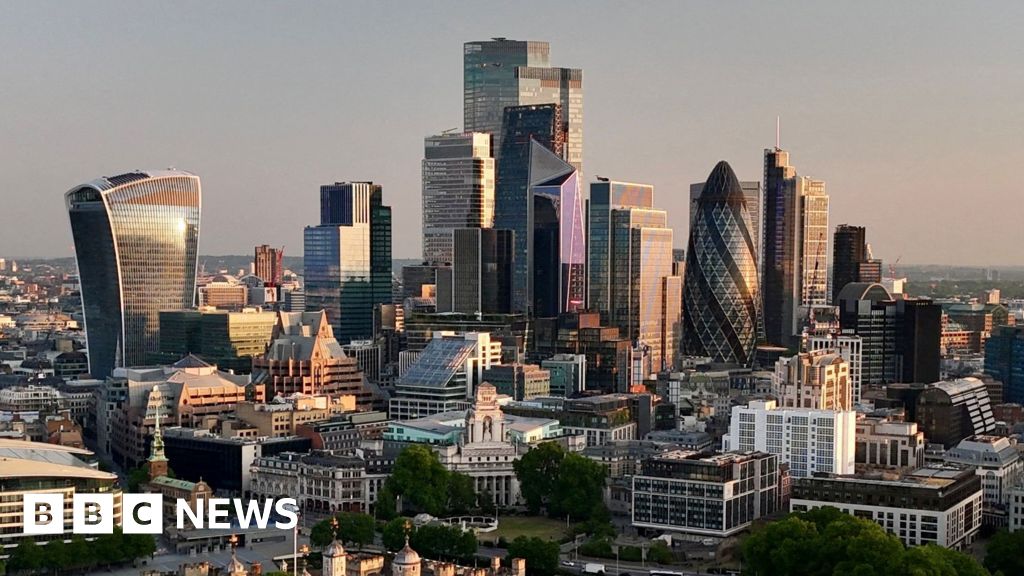
The upcoming Budget under Chancellor Rachel Reeves is expected to tighten fiscal policy and raise taxes, following last year’s £25bn National Insurance increase and large minimum-wage rises; Capital Economics estimates the measures will shave 0.2% off GDP in 2026 against 0.1% Q3 growth. Policy options flagged for businesses include business-rates reform, a consultation to cut energy bills for 7,000 firms, a Planning and Infrastructure Bill to remove growth barriers, possible reductions in Treasury payments tied to Bank of England losses (effectively a bank tax), potential changes to oil and gas windfall taxes and caps on salary-sacrifice pensions; survey data show fragile corporate investment sentiment with 55% delaying decisions and 43% expecting increased investment after the Budget.
Market structure: Fiscal tightening plus higher labour costs shifts relative advantage to cash-rich exporters, regulated utilities and contractors on government-funded projects; domestic-facing consumer services and SME-heavy supply chains face 5–15% margin pressure over 12–24 months absent offsetting price increases. Business-rates/energy relief for ~7,000 firms is a narrow positive for energy-intensive manufacturing but insufficient to offset broad capex delays (55% delaying) that will depress demand for commercial property and business services.
Risk assessment: Tail risks include a retroactive windfall tax on oil & gas (could cut upstream FCF by 20–30% within one quarter) and a covert “bank tax” via Treasury off‑sets that would shave 5–15% off UK bank RoE; both can trigger sudden repricing in equities and credit. Timeline: expect headline volatility on Budget day (days), earnings/ratings revisions over 1–3 months, and persistent GDP drag into 2026; hidden dependency—delayed capex compounds productivity decline and raises long‑run inflation/GBP/real‑rates interaction.
Trade implications: Favours long duration UK sovereign exposure if fiscal tightening reduces net issuance and growth—position on a 10y gilt rally conditional on a >15bp intra‑week drop post‑Budget; short domestically‑exposed banks and small caps where a bank‑levy or profit squeeze is likely. Use options to express event risk: short-dated GBP/USD straddle ahead of Budget and buy puts on a UK small‑cap basket to hedge capex disappointment.
Contrarian angles: Consensus focuses on near-term fiscal squeeze but underestimates potential gilt rally from lower issuance and slower BoE hiking path; pairing long gilts/short banks captures this. Historical parallel: 2010–12 austerity created multi‑quarter domestic demand weakness but supported real yields—opportunity to front‑run a multi‑month slowdown in domestic cyclicals if Budget confirms measures.
AI-powered research, real-time alerts, and portfolio analytics for institutional investors.
Request DemoOverall Sentiment
moderately negative
Sentiment Score
-0.35
Ticker Sentiment
