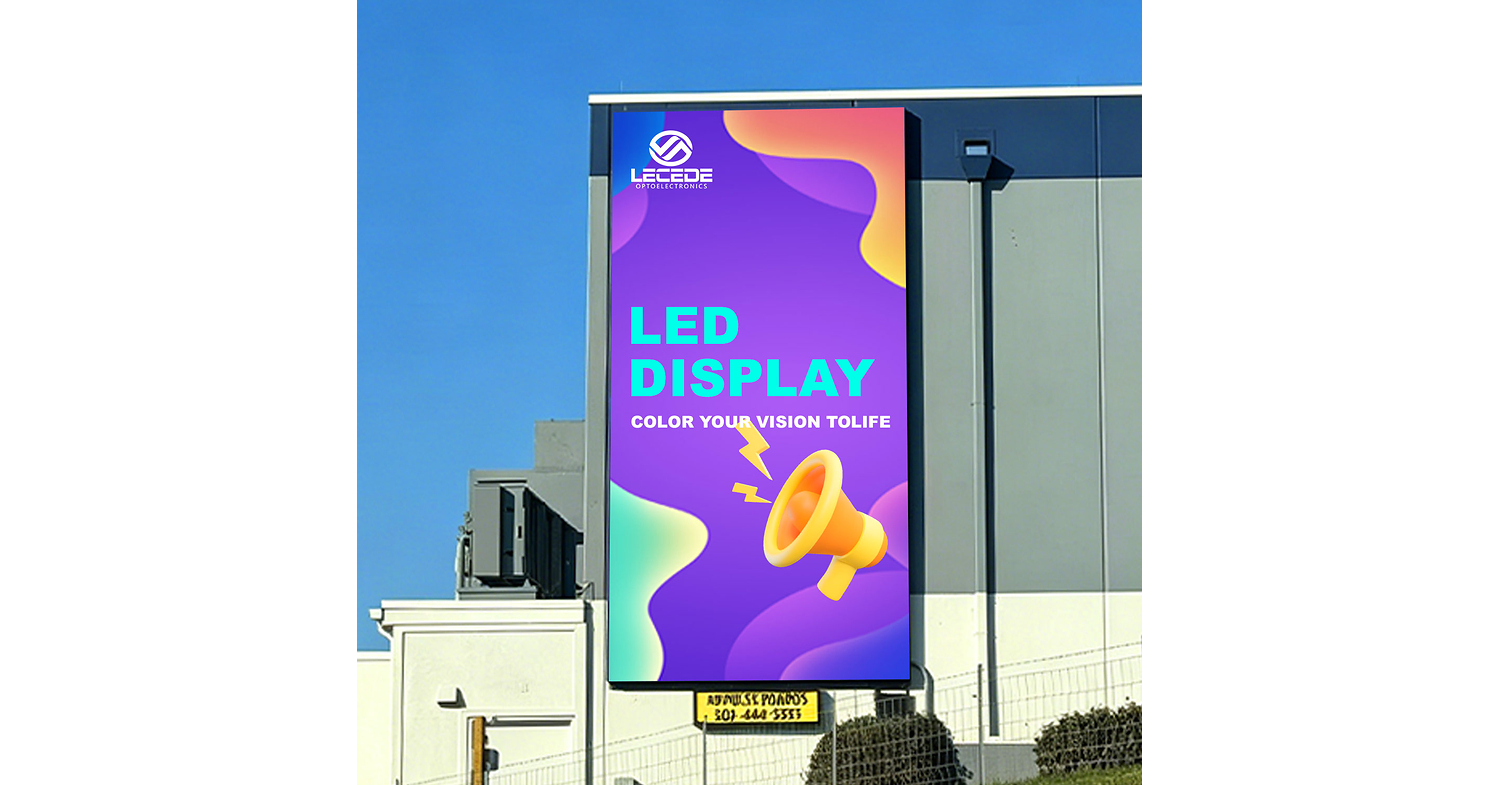
LECEDE (Shenzhen Lecede Optoelectronics) says U.S. LED display demand is shifting toward faster deployment and localized support, prompting it to reinforce presence in Houston and Las Vegas and plan an additional U.S. office. The company highlights 48-hour dispatch from its Houston warehouse/showroom and typical nationwide delivery within 2–5 days, along with local technical teams for installation, commissioning, training and after-sales support. Product positioning includes the Outdoor C Series (up to 12,000 nits; claimed up to 40% energy reduction vs conventional systems) and COB Mini LED home theater displays, with further promotion expected at CEDIA Expo 2026 and Printing United Expo 2026.
This is less a demand inflection than a channel-optimization move: the economic value is in reducing procurement friction, installation risk and service latency. That tends to matter most in fragmented, project-based end markets where buyers overpay for certainty; it can shift share toward vendors that can finance, commission and support locally, while squeezing distributors that compete mainly on import access. The second-order effect is potentially negative for commodity-style display resellers, because local inventory narrows the service gap and makes price the deciding variable.
For public markets, the near-term impact is probably muted unless it translates into measurable U.S. backlog. The fixed-cost burden of warehouses, field technicians and showrooms means the P&L upside only shows up if utilization stays high; otherwise this is margin dilution masquerading as expansion. Over 1-3 months, the key catalyst is whether trade-show pipeline converts into booked installs; over 6-18 months, the important question is whether localized support creates repeat business in retail rollouts and worship/home-theater niches or just subsidizes one-off projects.
Contrarian view: the market may overrate the moat from U.S. presence alone. Enterprise buyers care more about warranty enforcement, spare-parts availability and liability coverage than about a nearby showroom, and those factors favor incumbents with deeper balance sheets. The thesis is falsified if U.S. backlog fails to accelerate or if gross margin compresses after the local expansion; that would signal the footprint is defensive, not accretive.
AI-powered research, real-time alerts, and portfolio analytics for institutional investors.
Request DemoOverall Sentiment
mildly positive
Sentiment Score
0.15
