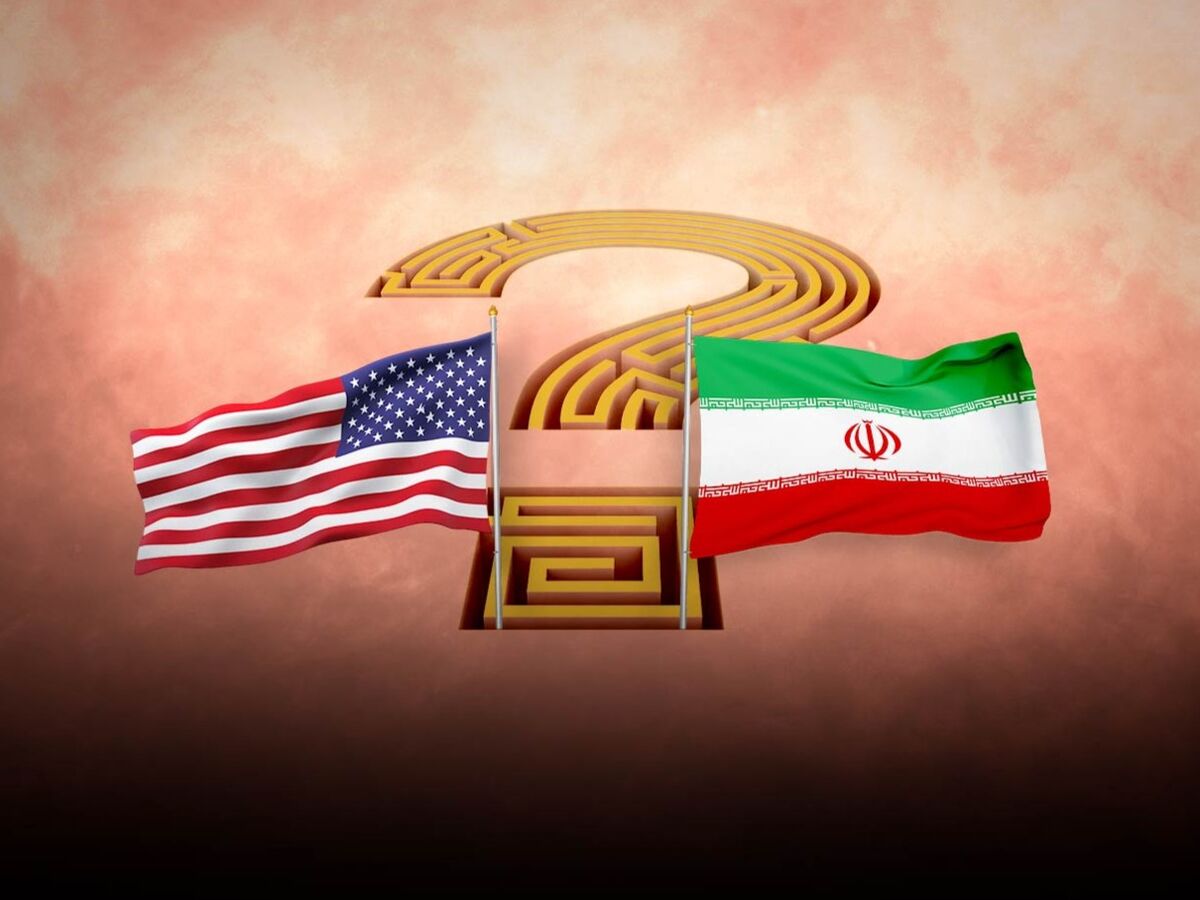
Iran submitted a response to the U.S. proposal to end the 10-week war, after Donald Trump called the offer "totally unacceptable," keeping geopolitical risk elevated. Separately, Indian Prime Minister Narendra Modi urged fuel conservation as rising oil prices threaten to widen India’s import bill and strain foreign-exchange reserves. The article points to higher crude-related pressure on emerging markets and FX stability.
The market still appears to be underpricing how quickly a stalled geopolitical process can morph into a broader energy-and-FX shock. Even without a formal ceasefire breakdown, a protracted negotiation failure tends to keep the risk premium embedded in crude while pushing import-dependent EMs into a tighter policy mix: defend FX or defend growth, rarely both. That is a negative setup for countries with large oil bills and thin reserves, because the transmission is not just higher headline inflation but a slower, more persistent deterioration in current accounts and local liquidity.
The second-order winner is not just upstream energy; it is also any asset tied to a stronger USD, higher front-end inflation expectations, and a steeper scarcity premium in physical barrels. Conversely, refiners and transport-adjacent industries face a margin squeeze with a lag, especially where pass-through is politically constrained. In India specifically, consumer fuel restraint signals that policy makers may choose demand suppression over immediate subsidy expansion, which is supportive for the fiscal line in the near term but bearish for domestic cyclicals if the oil shock lasts more than a few weeks.
The key catalyst horizon is days to weeks for oil and FX repricing, but months for growth damage and reserve pressure. What could reverse the move is a credible ceasefire framework, a meaningful release of strategic inventories, or a more forceful diplomatic path that removes the tail risk premium rather than merely dampening headlines. Until then, the asymmetry favors staying positioned for elevated volatility rather than calling an immediate peak in crude.
The contrarian view is that the market may be too focused on the headline and not enough on the absence of a full supply disruption; that limits the upside in crude unless the conflict widens. But for EM FX, you do not need a supply shock to get damage — persistent uncertainty plus higher import costs is enough to force weaker currencies and tighter policy. The best risk/reward is likely in relative-value expressions, not outright commodity direction.
AI-powered research, real-time alerts, and portfolio analytics for institutional investors.
Request DemoOverall Sentiment
mildly negative
Sentiment Score
-0.25
