
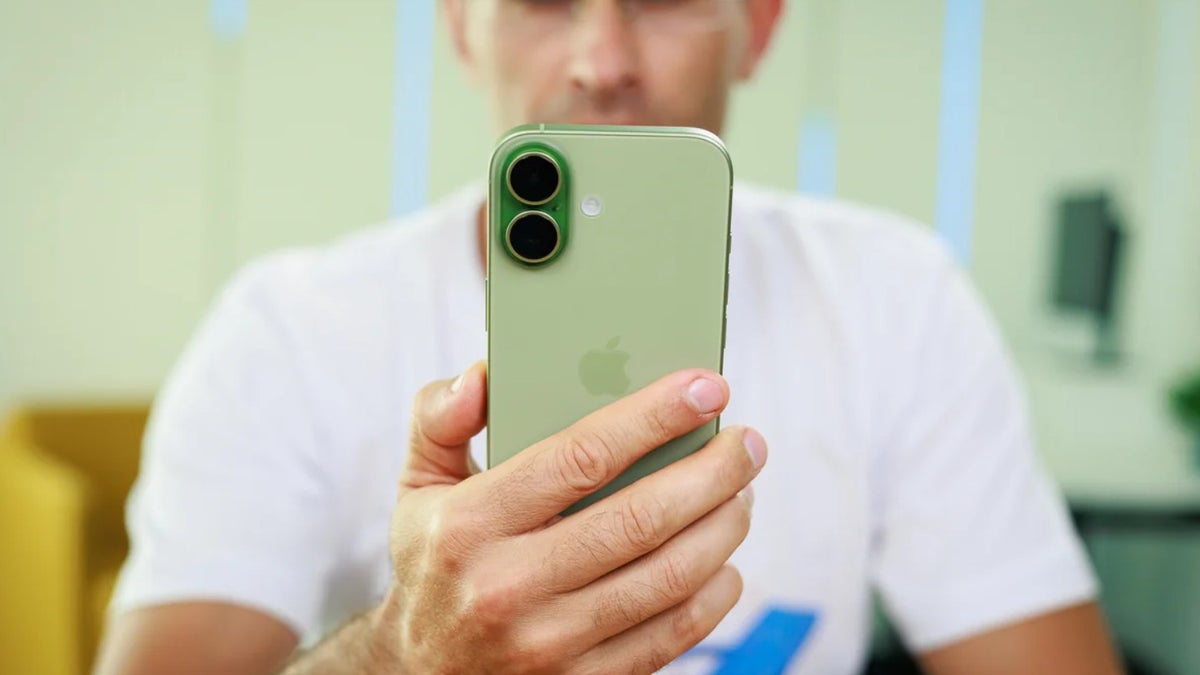
Apple’s iOS 27 is reported to add four notable features: AI-powered nutrition label scanning, contact creation from scanned phone numbers/addresses, automatic Safari tab group naming, and the ability to convert physical passes into digital Apple Wallet passes. The update is also said to include adjustable glass effect settings and third-party chatbot integration with Siri. The article frames these as usability improvements rather than a major product shock, implying limited direct market impact but a constructive product-cycle signal for Apple.
This is less about a headline software refresh and more about Apple turning iPhone into a higher-frequency transaction layer. The incremental value is not the individual features; it’s that Apple is pushing more of the user’s everyday intent capture into first-party surfaces, which should increase engagement, reduce churn, and deepen switching costs ahead of the next hardware cycle. That said, the market will likely treat this as a modest multiple-supportive catalyst rather than a near-term earnings driver, because monetization is indirect and most benefits accrue over 2-4 upgrade cycles.
The clearest second-order winner is Apple Health-adjacent monetization. If nutrition parsing works well enough to replace a meaningful share of MyFitnessPal-type usage, Apple gains richer behavioral data and a better wedge into subscriptions, wellness partnerships, and potentially insurance/employer integrations. Competitively, that pressures smaller consumer health apps more than it hurts large platform names; the bigger risk for Apple is execution quality, since inaccurate scanning or low recall rates would quickly cap adoption and create a “nice demo, low daily utility” outcome.
The Wallet pass conversion angle has a more interesting fintech implication: it lowers friction in moving offline credentials into Apple’s ecosystem, strengthening Apple’s control point around identity, access, and payments. That could gradually squeeze smaller utility apps while increasing dependence on Apple Pay rails and NFC-linked experiences, even if the direct revenue impact is small. The contrarian view is that much of this is already priced as part of Apple’s AI platform narrative, so upside depends on whether WWDC demonstrates a step-change in on-device AI rather than another set of incremental conveniences.
Timing matters: this is a 6-12 month catalyst into developer reactions, not a same-day trade. The main downside risks are feature delays, privacy concerns around scanning personal data, or a broader AI disappointment that causes investors to de-rate the story versus higher-beta AI beneficiaries. If Apple can show reliable, low-latency, on-device workflows, the setup supports a slow grind higher in quality-duration ownership rather than a sharp rerating.
AI-powered research, real-time alerts, and portfolio analytics for institutional investors.
Request TrialOverall Sentiment
mildly positive
Sentiment Score
0.25
Ticker Sentiment
