

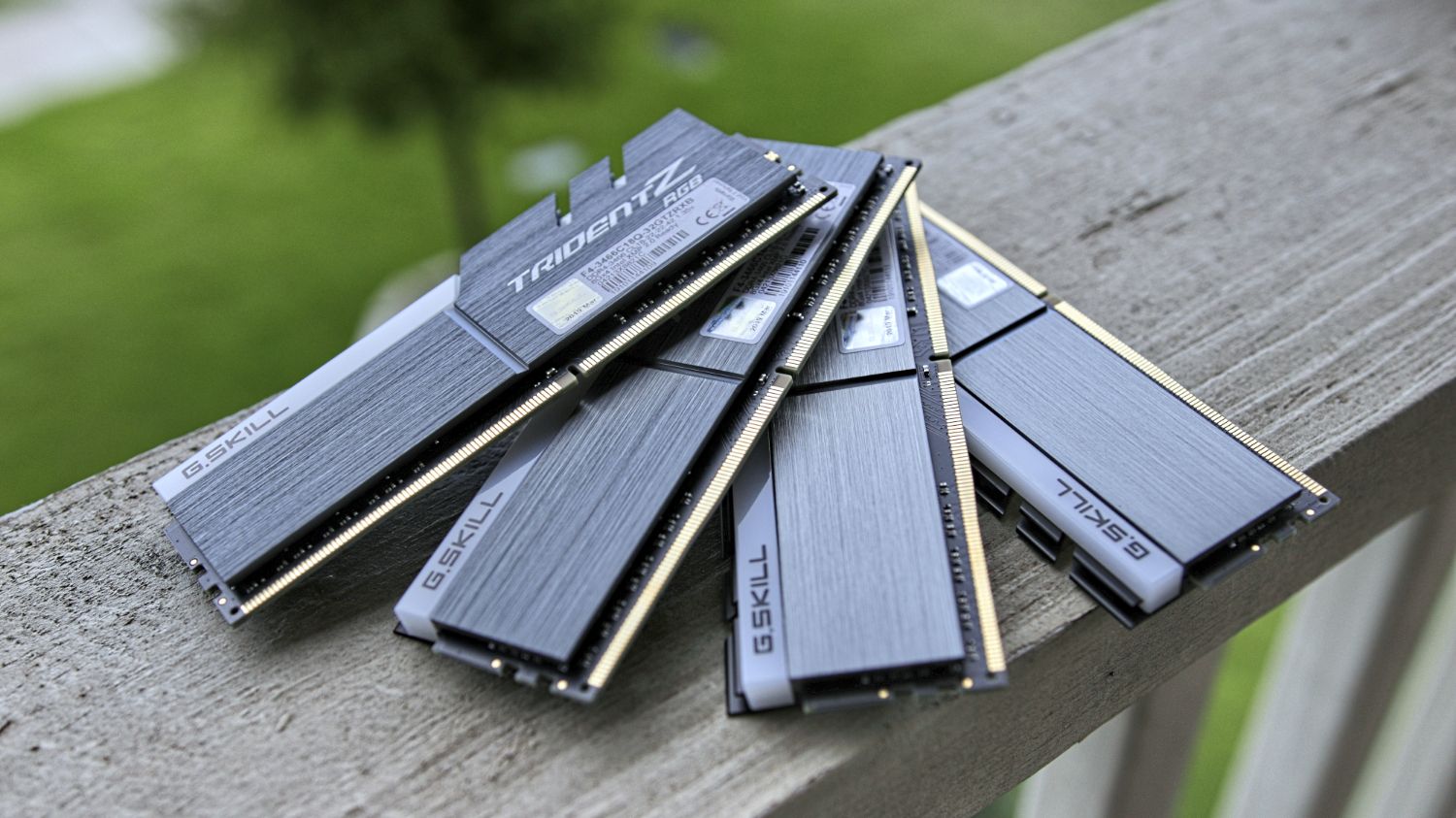
AMD introduced EXPO Ultra Low Latency (ULL), an automatic DDR5 memory overclocking feature that it says delivers a 13% average performance uplift versus JEDEC DDR5-5600 CL46 and a 4% gain versus standard EXPO, based on internal testing across 30+ games on a Ryzen 7 9700X. AMD also claims 1% lows improve 15% versus baseline and says ULL is coming soon through partners including G.Skill, Kingston, Klevv, Lexar, Origin Code, TeamGroup, V-Color, and XPG. The update is incremental rather than transformative, but it could modestly improve performance for AMD platforms once supported kits and BIOS updates arrive.
This is a modest but important signal that AMD is trying to turn platform-level memory tuning into a branded feature rather than leaving performance differentiation solely to CPU cores and cache. The second-order implication is stronger attach economics for AMD-compatible boards, kits, and BIOS ecosystems: if ULL becomes a recognized preset, it can help vendors monetize premium DIMMs and keep users inside the AMD performance stack for another upgrade cycle.
The near-term winner is likely the memory ecosystem more than AMD silicon itself. A feature like this tends to reprice the low- to mid-latency DDR5 segment, especially for vendors able to certify profiles early and market them as “drop-in” gains; that can support ASPs even if unit growth is limited. The loser is generic DDR5 inventory, because a branded profile reduces the value of undifferentiated modules and shifts the conversation from capacity to tuning, timing, and validation.
The key risk is that this is a benchmark-driven narrative with limited monetization until next-gen CPUs and motherboards are widely deployed. If the uplift is mostly confined to synthetic or esports-style settings, adoption may be narrower than the headline suggests, and the market could fade the story after the initial Computex window. More importantly, if memory pricing stays elevated, buyers may delay upgrades and extend replacement cycles, which would blunt any near-term demand inflection for premium kits.
Contrarianly, the market may be underestimating how much of this is about ecosystem lock-in rather than raw performance. Even a small average uplift can matter if it improves perceived smoothness and creates a simple, OEM-friendly marketing label, which historically matters more than the actual percentage for conversion at retail. That makes the setup more interesting as a medium-term share gain lever for AMD than as a near-term CPU revenue catalyst.
AI-powered research, real-time alerts, and portfolio analytics for institutional investors.
Request TrialOverall Sentiment
mildly positive
Sentiment Score
0.20
Ticker Sentiment
