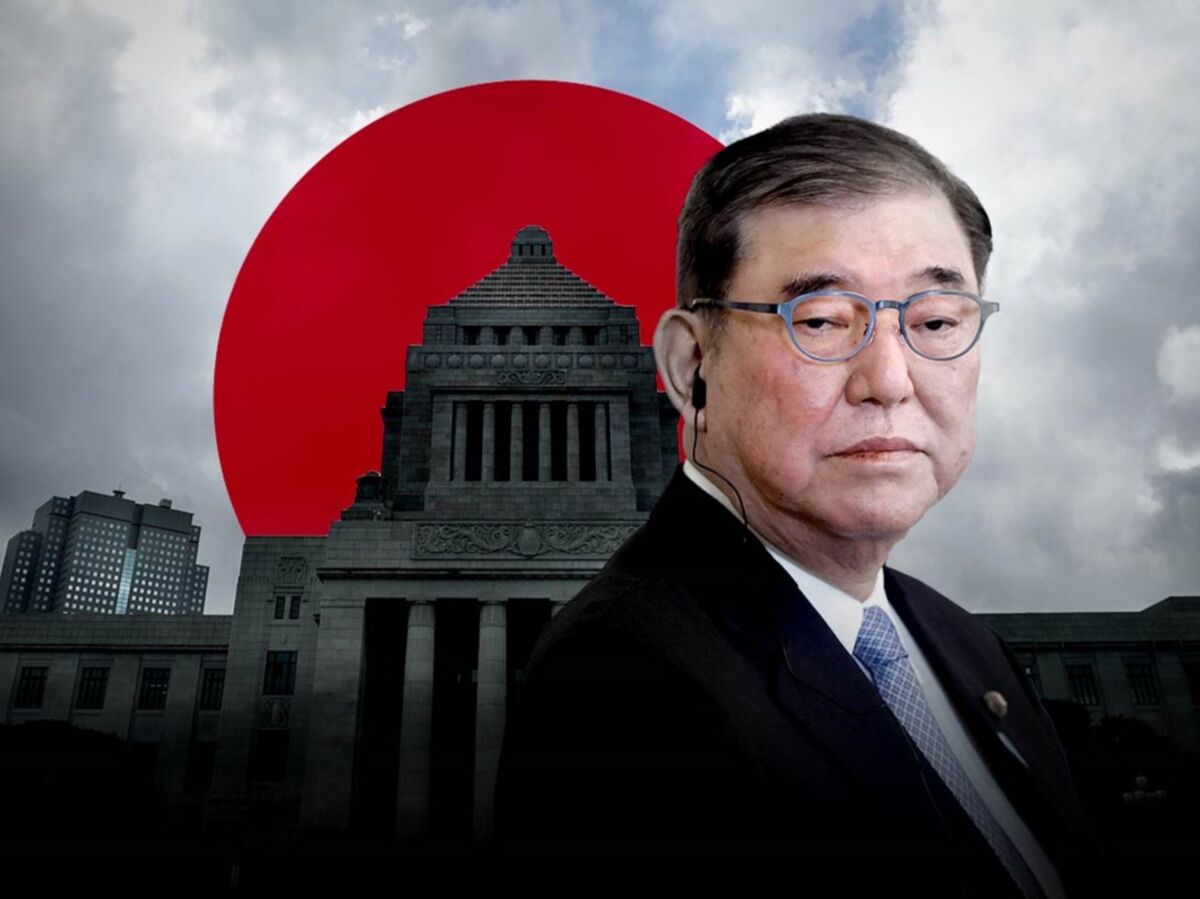
Japanese Prime Minister Shigeru Ishiba has affirmed his intention to remain in office despite his ruling coalition losing its majority in the upper house, a historic setback marking the first time since 1955 an LDP leader will govern without a legislative majority. Ishiba cited ongoing economic and security challenges as reasons to stay, while the yen rose in response to the political development.
Japan's political landscape faces significant uncertainty following the historic setback for Prime Minister Shigeru Ishiba's ruling coalition, which lost its majority in the upper house of parliament. This development marks the first time the Liberal Democratic Party will govern without a majority in at least one legislative body since 1955, creating a substantial risk of policy gridlock. While Ishiba has vowed to remain in his position to address economic and security challenges, his ability to pass legislation will be severely constrained, potentially stalling key reforms. The immediate market reaction saw a strengthening of the Japanese yen, reflecting investor sentiment shifting amid the new political reality. This event introduces a fresh layer of macro-risk for global investors, compounding existing concerns over economic data and the sustainability of market rallies.
AI-powered research, real-time alerts, and portfolio analytics for institutional investors.
Request DemoOverall Sentiment
mixed
Sentiment Score
0.00
