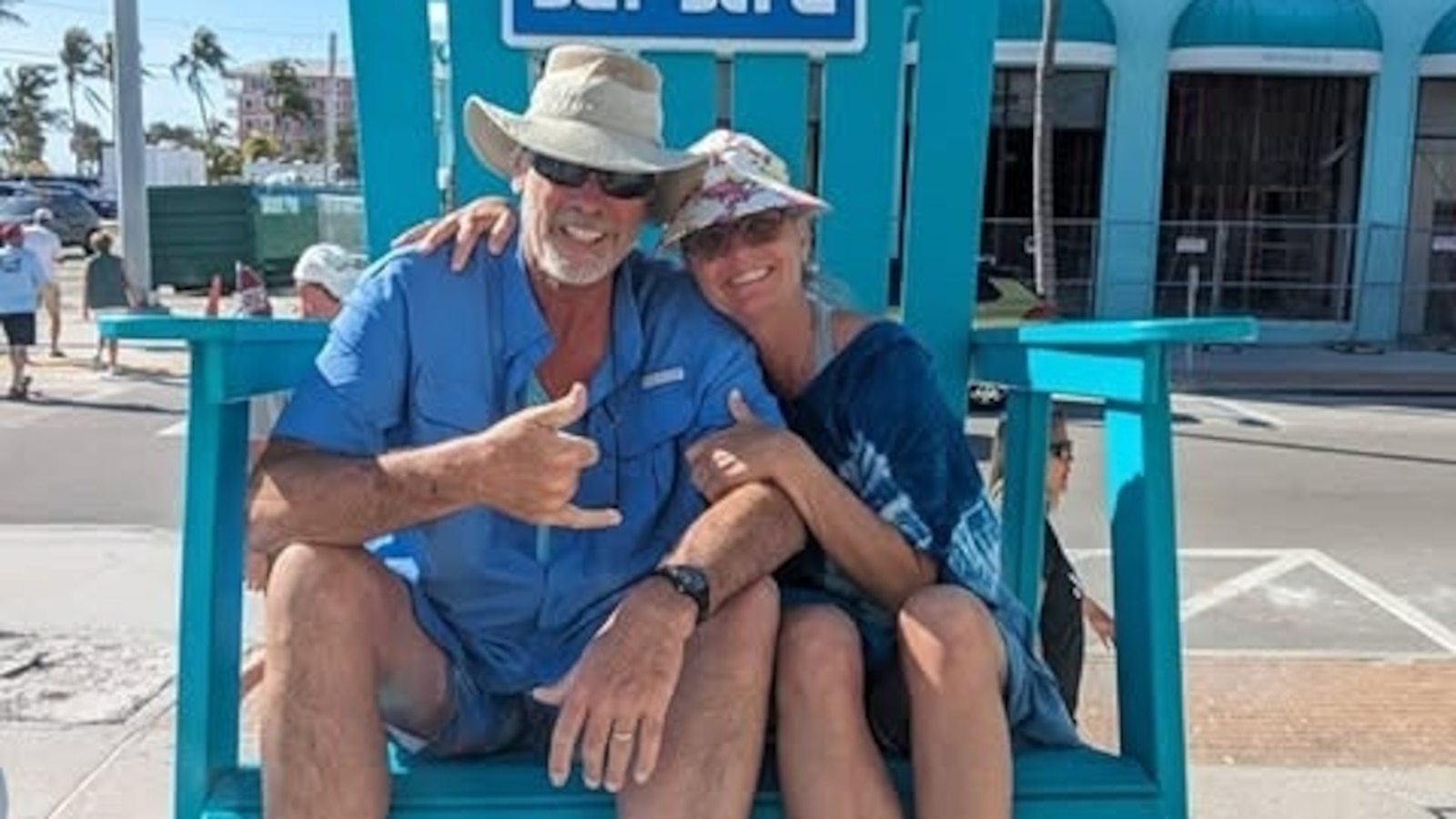
Brian Hooker was released without charges after being questioned in connection with his wife Lynette Hooker’s disappearance in the Bahamas, where she fell overboard from a dinghy on April 4. Police have not recovered the body and the U.S. Coast Guard is leading the probe. The article is primarily a factual update on an ongoing search and investigation with no clear market impact.
This is a low-direct-P&L event, but it is a meaningful signal for three adjacent risk buckets: maritime liability, premium leisure demand, and headline sensitivity around private-asset travel. The immediate market takeaway is not about one family’s case; it is that operators of yachts, charter boats, and island resorts face elevated legal and reputational risk whenever severe-weather incidents become intertwined with potential criminal inquiry. That raises the expected cost of “high-end adventure” travel, especially for operators that market remote destinations with limited rescue infrastructure.
The second-order effect is on insurers and service providers, not the victim’s family. Hull, marine liability, and travel-underwriter pricing can re-rate faster after a widely publicized incident than after a string of ordinary claims, because underwriters react to narrative risk and potential negligence exposure. Expect tighter wording around dinghy transfers, night excursions, and weather exclusions over the next 1-2 renewal cycles, which could pressure conversion and margins for smaller charter operators and private yacht managers.
The contrarian view is that the selloff-risk is in the wrong names if investors extrapolate this into a broad Bahamas or cruise problem. This looks more like a tail-risk repricing event than a demand shock: affluent travelers are relatively insensitive to isolated incidents, but they are sensitive to perceived operator professionalism and legal certainty. If local authorities and insurers move quickly to close the loop, the reputational drag should fade within weeks; if the case stays unresolved or evidence suggests procedural failure, the issue can linger for months and hit bookings at the margin.
From a trading standpoint, the best expression is to look through the headline and target underwriting and niche leisure intermediaries rather than broad travel ETFs. The key catalyst window is the next several weeks, when additional facts or lack thereof will determine whether this becomes a one-off tragic event or a template case for maritime liability tightening.
AI-powered research, real-time alerts, and portfolio analytics for institutional investors.
Request TrialOverall Sentiment
neutral
Sentiment Score
-0.10
