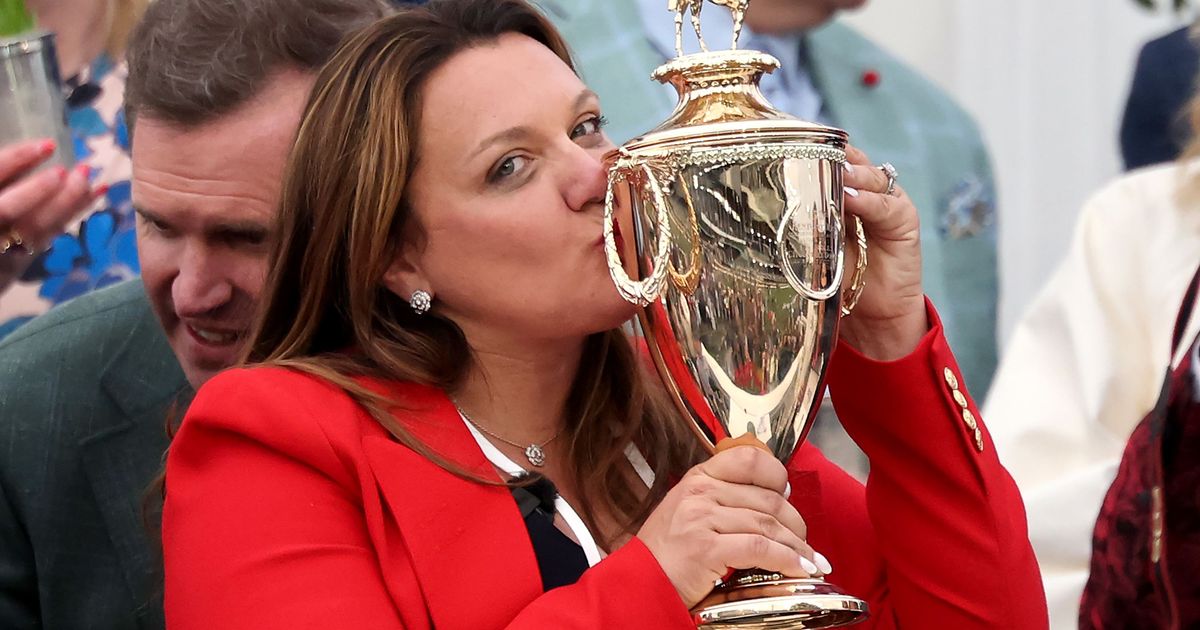
Cherie DeVaux won the Kentucky Derby with 24-1 longshot Golden Tempo, earning her first Derby victory and becoming a historic figure for women in horse racing. The horse won by a neck after charging from dead last in the final stretch, while jockey José Ortiz and trainer DeVaux each delivered breakthrough performances. The piece is highly positive but primarily sports coverage, so direct market impact is limited.
CHDN is the clearest beneficiary here, but the equity read-through is less about the one-off cultural headline and more about the monetization of Derby scarcity. The Kentucky Derby is one of the few live sports properties where non-recurring, place-based demand and premium hospitality can reprice instantly on narrative intensity; a dramatic, widely shared finish should support incremental near-term ticketing, premium seating, and sponsorship demand into the next meet, with the bigger effect showing up in conversion of casual viewers into future on-site spend. The second-order winner is the broader experiential leisure basket: this kind of event reinforces the idea that live attendance remains a premium-good, not a commodity, even in a softer consumer environment.
The competitive dynamic matters because Churchill Downs’ moat is not just the race; it is the ability to capture the economic spillover from national attention into wagering, hospitality, and brand value. A female-first breakthrough and a memorable underdog finish extend the media shelf life beyond a standard Derby result, which should modestly lift earned media value and help justify premium pricing across future Derby weekends. That said, the market can overestimate the permanence of this effect: the monetization impulse is strongest in the next 1-2 event cycles, while the share impact fades unless management translates the attention into pricing power and higher per-capita spend.
The main risk is that investors confuse emotional resonance with structural earnings power. CHDN is still a weather- and event-specific business with regulatory, animal-welfare, and consumer-discretionary sensitivities; any negative headline around safety or field size can reverse sentiment quickly, and one celebratory weekend does not de-risk those issues. The contrarian view is that the move is likely underappreciated on the demand side but overestimated on the durability side: this is a near-term revenue and marketing tailwind, not a step-change in terminal growth. The setup favors buying dips after event-driven enthusiasm cools rather than chasing the first gap higher.
AI-powered research, real-time alerts, and portfolio analytics for institutional investors.
Request DemoOverall Sentiment
strongly positive
Sentiment Score
0.70
Ticker Sentiment
