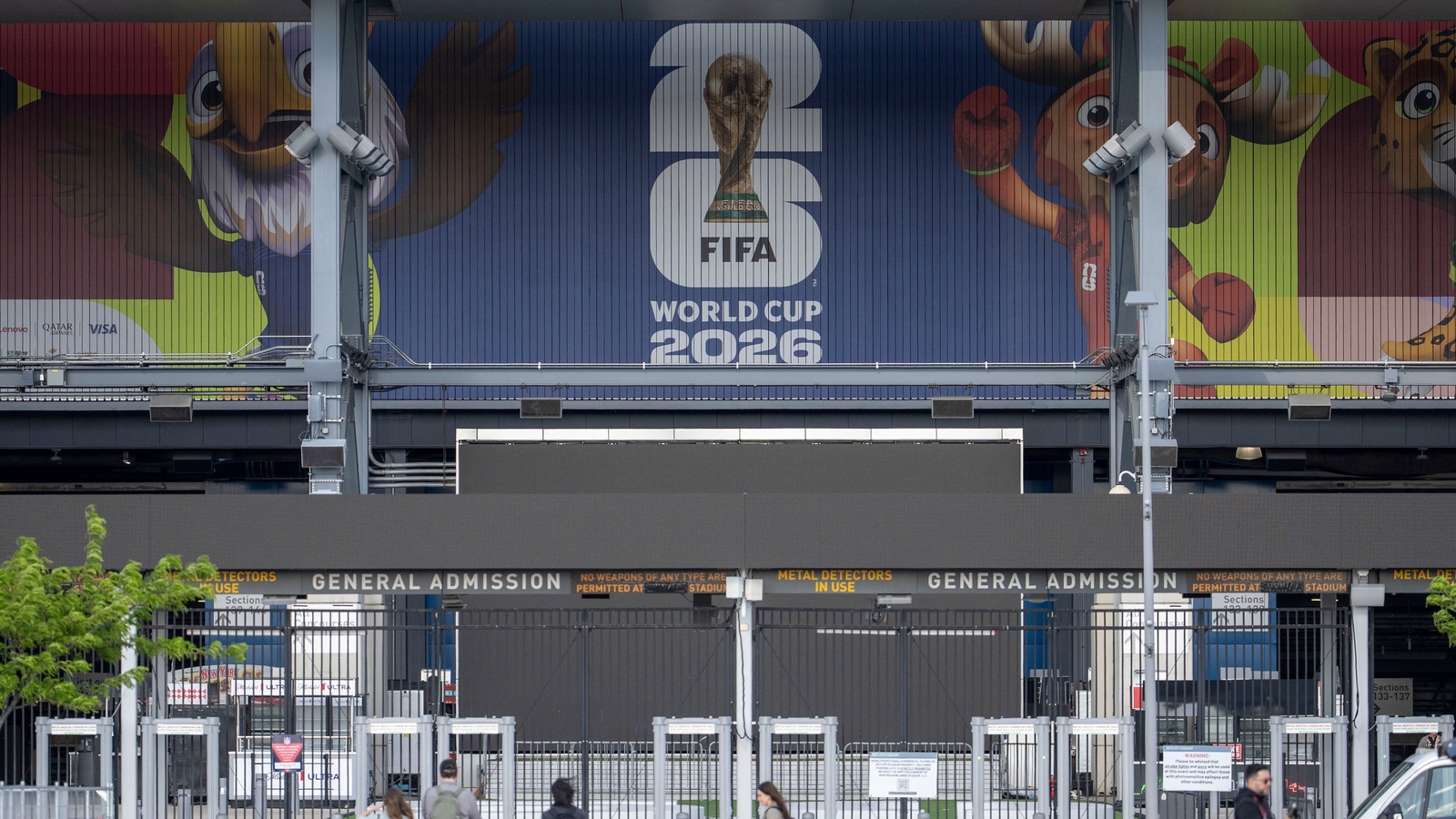
New York and New Jersey attorneys general have subpoenaed FIFA and opened an investigation into alleged deceptive World Cup ticketing practices, including seat misrepresentation and phased pricing that reportedly pushed prices up more than 34% on some matches. The probe focuses on eight New Jersey-hosted matches, including the final, and could increase legal and reputational pressure on FIFA. The article is consumer-protection focused and is unlikely to move broad markets, but it heightens scrutiny around World Cup ticket sales and pricing.
This is less a single-event headline than an early signal that the World Cup monetization model may be colliding with consumer-protection scrutiny at the exact point where supply is most inelastic. The key second-order effect is not FIFA’s own economics alone, but the spillover into adjacent travel demand: if ticket buyers feel manipulated, late-booking behavior for hotels, flights, and local spend can soften even if attendance holds. That creates a classic host-city tradeoff where headline demand remains intact but ancillary receipts disappoint, which is more damaging to regional leisure names than to the event organizer. The bigger market implication is regulatory precedent. If investigators frame the issue as deceptive pricing rather than mere dynamic pricing, it broadens legal risk for any live-event platform that uses phased inventory releases, seat-map ambiguity, or algorithmic repricing. That matters for venue operators, ticketing platforms, and promoters because a consumer-friendly ruling could force disclosure changes, refund claims, and tighter state oversight, compressing monetization on premium inventory over the next 6-12 months. The near-term catalyst path is binary: subpoenas and media pressure are immediate, but the real downside accelerant is if complaints become a class-action funnel or if New York/New Jersey demand restitution before the tournament. The reverse path is also clear: if FIFA provides transparent seating evidence and a fixed-price remediation program, the story likely fades into a reputational hit with limited financial impact. The market is probably underpricing the risk that this becomes a template case for dynamic pricing in live entertainment rather than a one-off sports dispute. Contrarian view: the headline looks consumer-bearish, but the broader event-experience trade may still be overowned on the downside because scarcity itself remains the dominant driver of spend. The more durable long idea is not to short the event, but to own businesses that benefit from frustrated direct-ticket buyers shifting budget toward hospitality, premium dining, and last-minute travel alternatives.
AI-powered research, real-time alerts, and portfolio analytics for institutional investors.
Request DemoOverall Sentiment
mildly negative
Sentiment Score
-0.20
