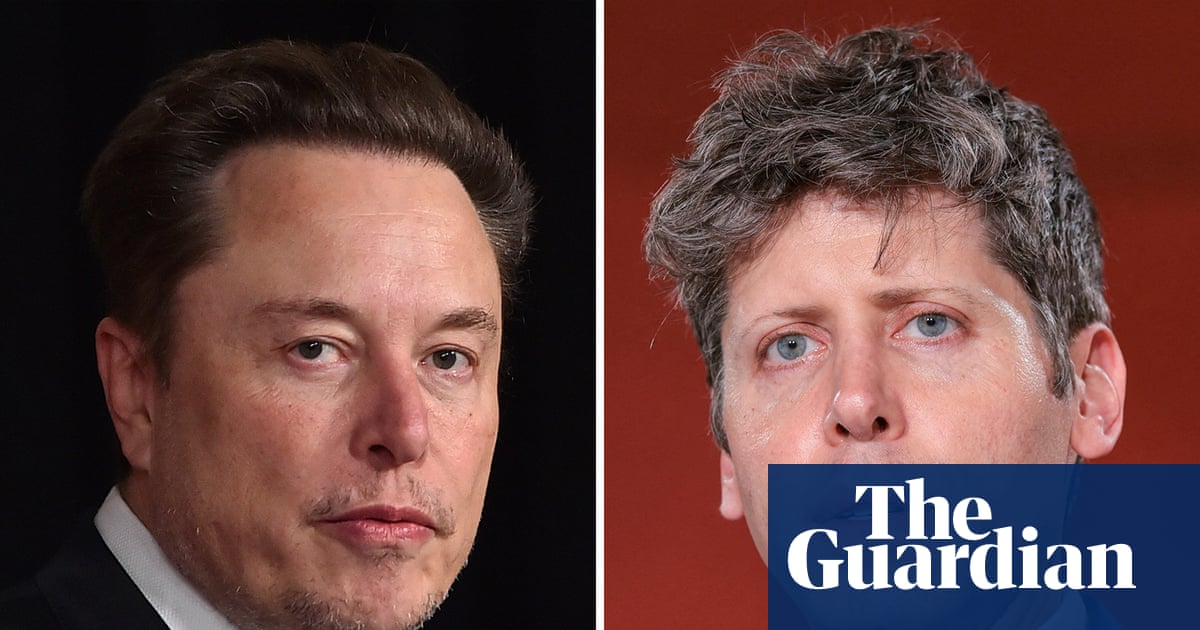
Elon Musk’s lawsuit against OpenAI, Sam Altman, Greg Brockman and Microsoft goes to trial Monday in Oakland, seeking more than $134bn in damages and reversal of OpenAI’s for-profit restructuring. The case could affect OpenAI’s governance and restructuring plans as the company targets a near-$1tn valuation and possible IPO later this year. Key witnesses are expected to include Musk, Altman and Microsoft CEO Satya Nadella.
This is less a binary legal event than a governance overhang on the market’s favorite AI tollbooth. Even if the case never threatens the operating model, the trial injects discovery risk into a company that is already trying to convince public-market investors it can scale like software while spending like infrastructure. The near-term issue is not damages; it is whether counterparties, employees, and future capital providers start discounting the durability of the current control structure.
Microsoft is the most exposed public vehicle because it monetizes OpenAI through product integration, cloud usage, and strategic credibility, not just equity accounting. A protracted courtroom narrative can create a subtle but real friction cost: slower enterprise adoption if customers perceive model access or roadmap uncertainty, and more negotiation leverage for alternative model providers. That dynamic is second-order bullish for diversified AI infrastructure and model-agnostic software beneficiaries, because buyers will want optionality rather than a single embedded dependency.
The market may be underpricing the possibility that the trial becomes a forcing function for a cleaner separation between nonprofit mission language and commercial governance. If that happens, it could actually reduce long-dated equity risk by making the eventual IPO structure more legible, but only after a period of headline volatility. The key reversal catalyst is not a courtroom win; it is an explicit settlement or revised governance framework that removes ambiguity before the listing window.
Contrarian view: the consensus likely treats this as a simple Musk-vs-Altman sideshow, when the real risk is that legal discovery slows strategic execution at the exact moment OpenAI needs to lock distribution, compute, and talent. That favors competitors with less governance noise and more transparent economics. The trade is therefore not about predicting the verdict; it is about positioning for governance-induced dispersion across the AI stack over the next 1-3 months.
AI-powered research, real-time alerts, and portfolio analytics for institutional investors.
Request DemoOverall Sentiment
mildly negative
Sentiment Score
-0.20
Ticker Sentiment
