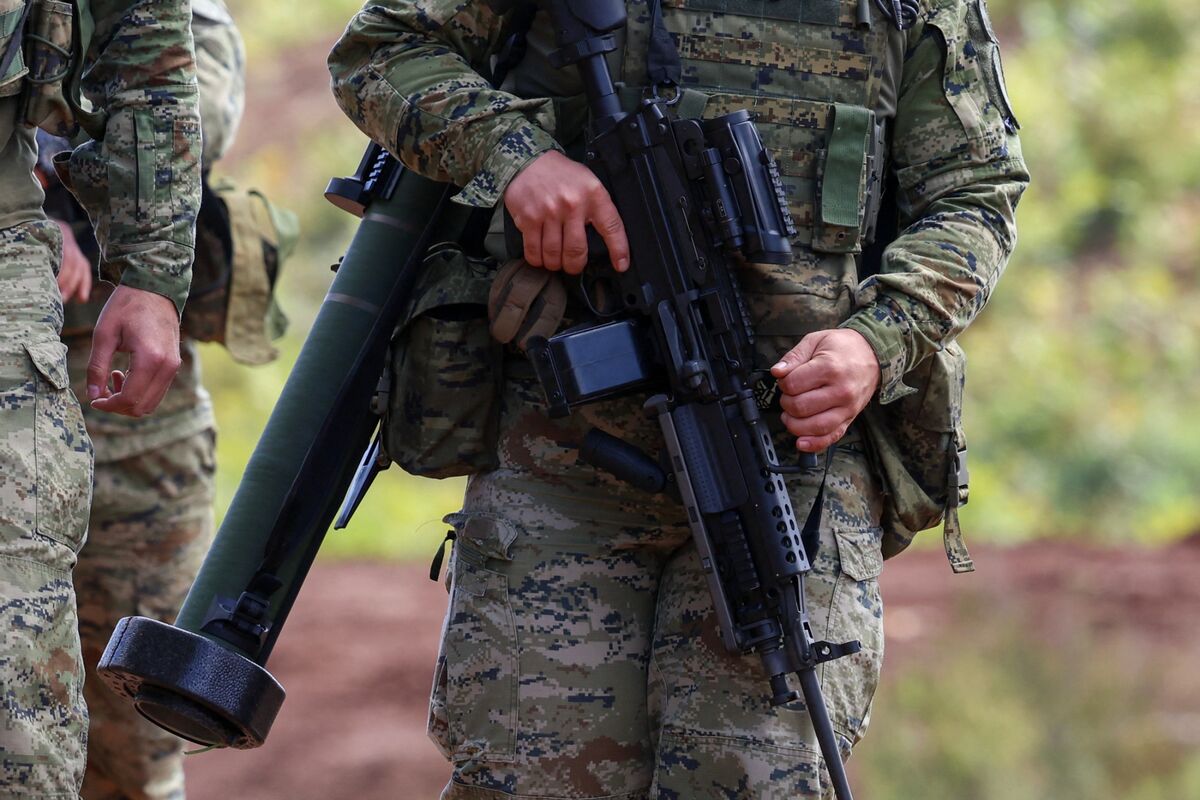
Croatia is resuming mandatory military training for the first time in nearly 20 years, mobilizing 800 recruits across three sites; roughly 50% are volunteers and 50% were drafted. Training covers assault-rifle shooting, Krav Maga, and drone operations. The unexpectedly high volunteer turnout signals elevated domestic security engagement but is unlikely to materially move markets.
The unexpected surge of youth interest is a political lead indicator, not merely a social one: it increases the probability that government and party leaders will translate popular backing into near-term procurement and training contracts. Expect the fastest-moving spend to be small-ticket, high-velocity items (ammunition, optics, radios, short-range UAVs, simulators and contracted training services) that can be ordered and delivered within 3–9 months; platform buys (helicopters, air-defense) remain 12–36 months and are gatekept by EU/NATO procurement rules.
Second-order supply-chain effects favor vendors with flexible European manufacturing capacity and modular product lines that can scale output quickly — firms with existing ammo lines, COTS sensor stacks, or drone-production cells will capture outsized share of incremental orders. This dynamic disadvantages large, program-driven primes for short-cycle revenue (their stocks already price multi-year programs), while creating a runway for SMEs and mid-cap suppliers to re-rate on successive small contract announcements over 6–18 months.
Tail risks and catalysts are asymmetric: a regional security incident or explicit NATO funding commitment could compress timelines to 1–3 months and trigger meaningful upside for suppliers; conversely, domestic budget revisions or a swing in election sentiment could halt procurement and compress valuations quickly over a quarter. Monitor three near-term triggers: national budget passage for defense (0–3 months), any NATO/EU supplementary funding announcements (0–6 months), and signed framework agreements with regional suppliers (3–12 months).
The consensus framing — that a small country move is immaterial — understates cascading demand for consumables and training services. This is where mispricings live: incremental orders are low-ticket but recurring, and when aggregated across Balkan peers they become a multi-year growth stream. Positioning should therefore favor scalable, execution-capable suppliers rather than large-cap program bets.
AI-powered research, real-time alerts, and portfolio analytics for institutional investors.
Request DemoOverall Sentiment
neutral
Sentiment Score
0.00
