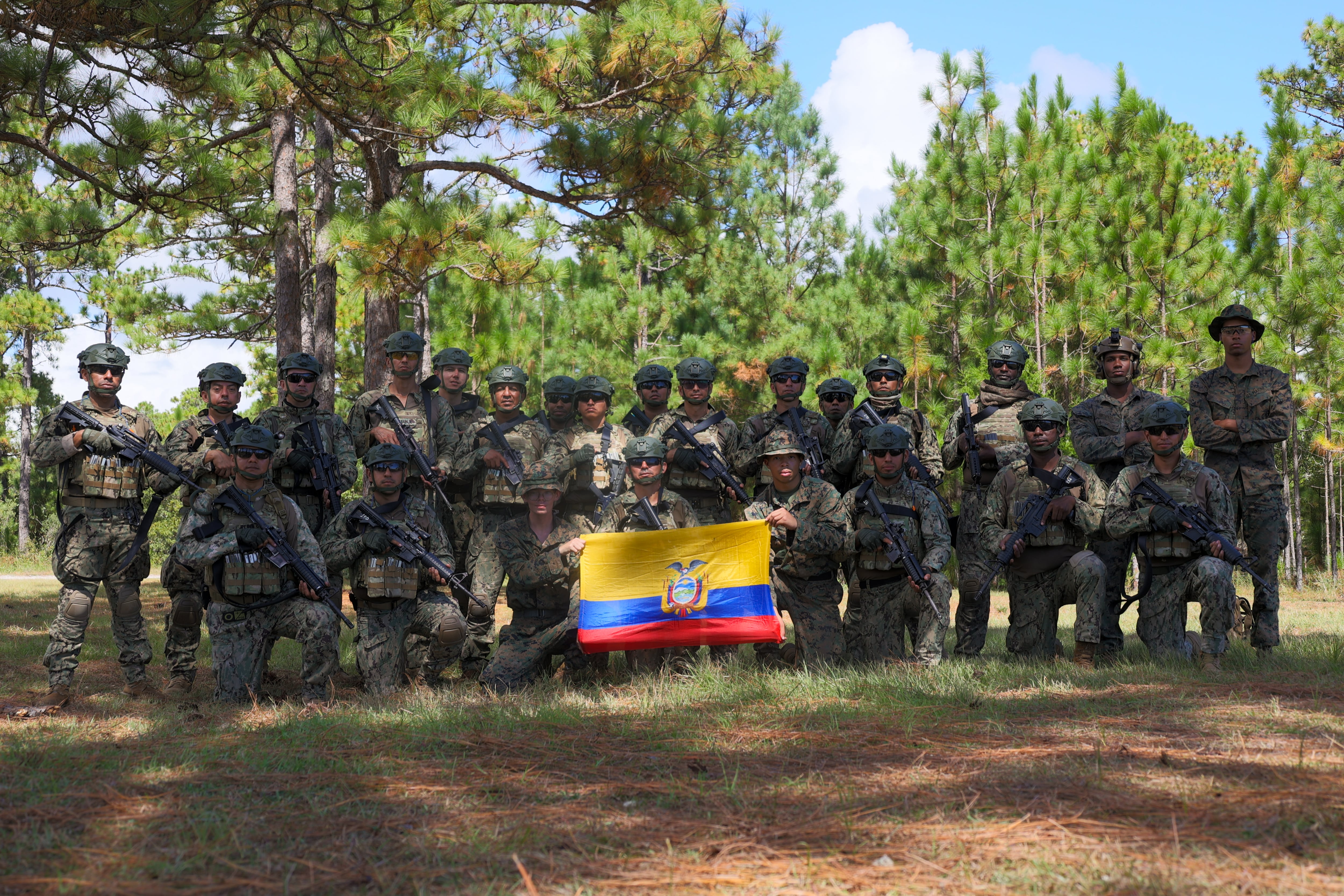
U.S. defense leaders say American forces have largely secured air superiority over Iran after coordinated strikes but acknowledge Iranian drones and missiles may still hit targets; a U.S. submarine reportedly sank an Iranian warship and six U.S. soldiers were killed by an Iranian drone strike in Kuwait. Officials state munitions and air defenses remain ample, reporting ballistic missile launches by Iran are down 86% from day one (23% in the past 24 hours) and one‑way attack drone usage is down 73%, while the administration has assisted nearly 6,500 Americans and says more than 17,500 have returned to the U.S. since the conflict began. U.S. leaders signaled the campaign could last weeks to months, prompting regional airspace closures and large-scale evacuations that pose ongoing risks for markets sensitive to geopolitical shocks.
Market structure: Defense primes (LMT, RTX, GD) and specialty munitions suppliers stand to gain immediate revenue and backlog visibility as the Pentagon signals sustained attrition operations; expect 5–15% beatable revenue revisions over 1–3 quarters if conflict persists 4–8 weeks. Energy (XOM, CVX, XLE) is a secondary beneficiary via crude upside from supply-risk; airlines (AAL, UAL), leisure travel, and regional logistics (smaller shipping lines) are clear losers from flight cancellations, insurance/rerouting and higher bunker costs.
Risk assessment: Tail risks include Strait of Hormuz closure or escalation to direct attacks on merchant shipping, which could push Brent >$120/bbl within 30 days and trigger stagflation pressures; conversely a rapid diplomatic ceasefire within 2–4 weeks could snap oil and defense premiums back down 15–30%. Hidden dependencies: US munitions stockpile replenishment requires congressional appropriations and multi-quarter industrial ramp-up—contract awards may lag price reaction. Catalysts: daily casualty counts, Iranian missile/drone tempo, OPEC+ responses, and US legislation funding will accelerate repricing.
Trade implications: Tactical long defense equities and selective energy exposure now (2–4% position sizes) with tight 8–12% stops; short air carriers via puts or small outright shorts (0.5–1% each) for 4–8 weeks as demand and capacity are disrupted. Use options to express asymmetric views: 90-day call spreads on LMT/RTX sized to 50% of equity long and 45–60d puts on AAL/UAL to limit downside; hedge macro with 1–2% GLD or TLT depending on risk-off flows.
Contrarian angles: Consensus discounts duration—markets often overshoot both ways: post-Gulf/2003 examples show oil spikes reverse within 8–12 weeks absent choke points; if conflict becomes protracted (>3 months) the inflationary and interest-rate impact may hurt defense multiples despite revenue, so scale into positions and set triggers (ceasefire, oil down 20%, or Congress blocks funding) to unwind quickly.
AI-powered research, real-time alerts, and portfolio analytics for institutional investors.
Request TrialOverall Sentiment
moderately negative
Sentiment Score
-0.50
