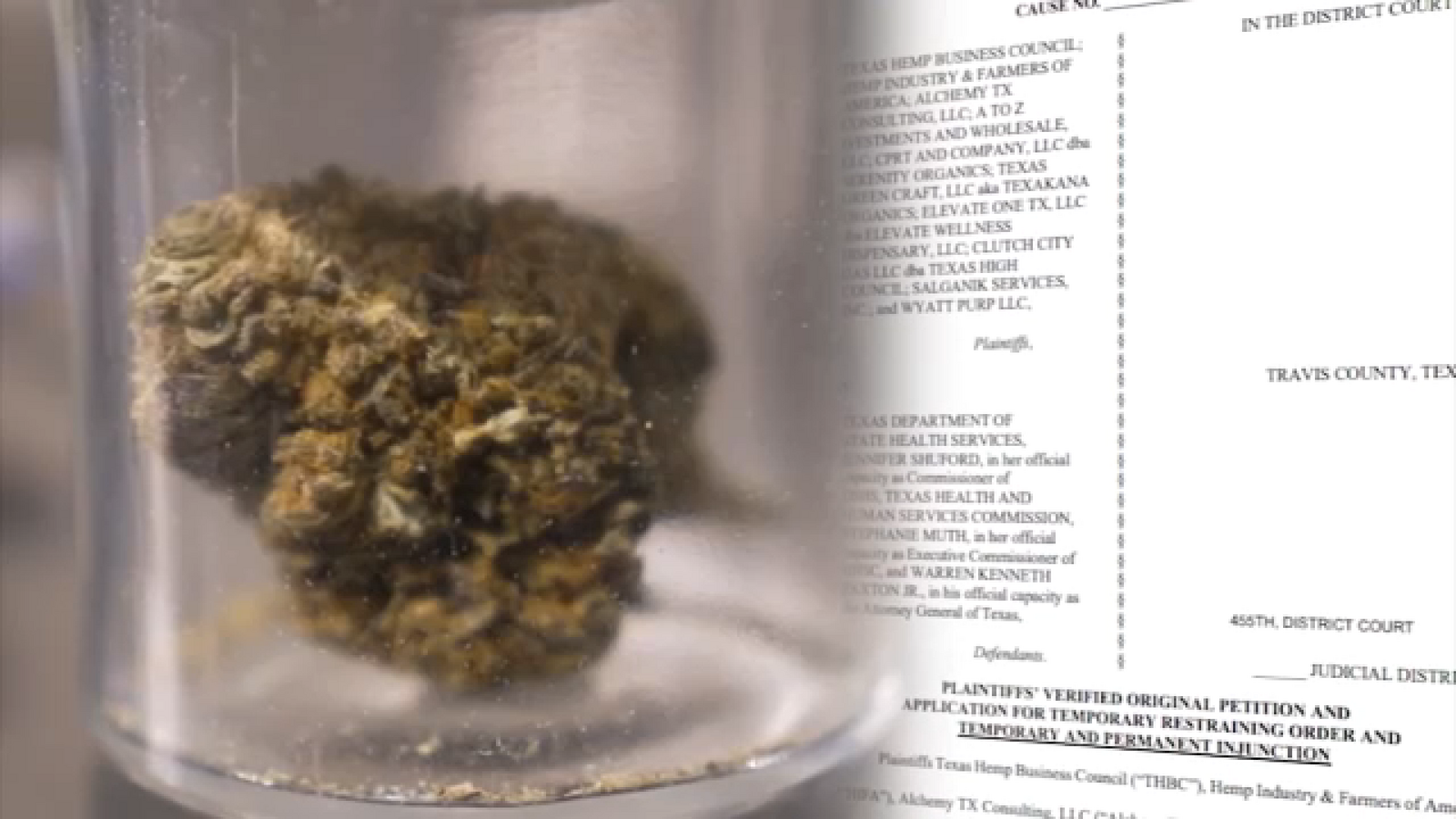
A Travis County judge issued a temporary restraining order that lifts the hemp smokable-product ban for now, allowing products to return to sale while litigation continues. The court did not block the new license fee and penalty provisions, and a follow-up hearing is scheduled in two weeks. The ruling is a near-term positive for hemp retailers and producers, though the legal uncertainty remains.
This is less a durable victory for hemp retailers than a reset of option value: the market has been repriced from “likely shutdown” back to “status quo pending litigation.” In the near term, the biggest beneficiaries are small-format tobacco/hemp shops and distributors with inventory already in channel, because they can liquidate product that was at risk of being stranded. The more interesting second-order effect is on enforcement behavior: once product is back on shelves, any future restriction becomes operationally harder to implement and more politically visible, which increases the odds of a negotiated carve-out rather than a clean ban.
The real risk is that the current ruling only addresses a narrow legal lever, not the broader fee/penalty framework. That means the state can still pressure the economics through licensing, compliance, and inspection costs, which would disproportionately hurt smaller operators and favor scaled, multi-state retailers with legal budgets and distribution breadth. If the next hearing turns the TRO into a wider injunction, the upside extends for weeks; if not, this becomes a classic squeeze where the first rebound in sales is followed by a slower grind lower as wholesalers de-risk orders.
From a broader portfolio lens, this is a modest negative for alcohol, nicotine, and convenience-store adjacent categories only if smokable hemp is a meaningful traffic driver in a local market. The more important competitive dynamic is within hemp itself: legal uncertainty rewards brands with diversified products and punishes single-SKU smokable exposure. The consensus may be underestimating how quickly retailers will restock to reclaim margin, but overestimating how much of that demand is incremental rather than just pulled forward from online or gray channels.
The main catalyst path is legal, not fundamental: another injunction hearing in two weeks, then potential appellate action over the following 1-3 months. A reversal would likely hit the most leveraged private operators first, while a broader restraining order could trigger a short-lived inventory restock cycle and higher wholesale orders. Tail risk cuts both ways: if regulators shift from product bans to fee enforcement, the headline risk persists even if shelves stay full.
AI-powered research, real-time alerts, and portfolio analytics for institutional investors.
Request DemoOverall Sentiment
mildly positive
Sentiment Score
0.35
