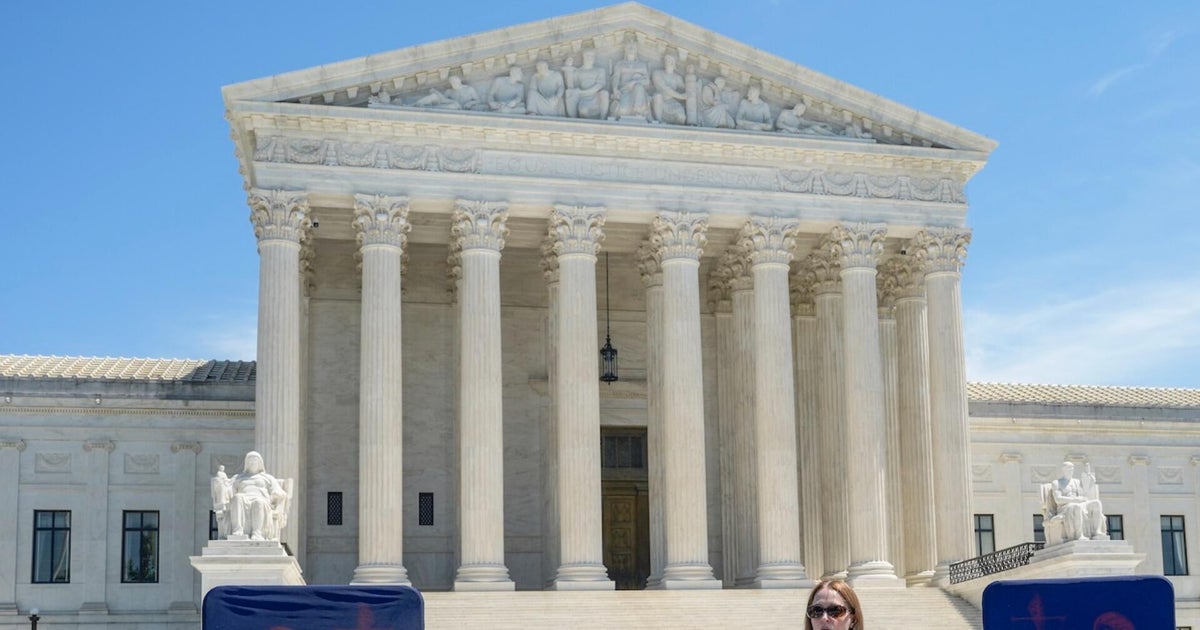
The Supreme Court allowed its Louisiana redistricting ruling to take effect immediately, accelerating a process that could force the state to redraw its congressional map before this year's elections. The 6-3 decision narrows Section 2 of the Voting Rights Act, potentially affecting redistricting battles in Louisiana, Tennessee, Alabama, and other states. The article is primarily a legal and political development with limited immediate direct market impact.
This is less a one-off Louisiana story than a structural increase in map volatility across the South. The immediate beneficiaries are state-level Republican legislatures and incumbent Republicans in districts that can be redrawn into safer seats; the first-order loser is any Democrat defending a narrow majority-Black district under Section 2 precedent. The second-order effect is more important: once one state successfully compresses the timeline and forces emergency map changes, other states get a template for fast-tracking mid-cycle redistricting whenever court outcomes appear favorable.
The market implication is not directionally huge for broad equities, but it is meaningful for event-driven positioning in the next 1-2 quarters. This raises the odds of additional seat flips in the House, which matters for pricing in 2026 legislative risk: immigration, tariffs, antitrust, tax, and appropriations all get repriced if the House tilts more safely Republican. The bigger overhang is on state litigation risk itself—plaintiffs now have a higher procedural burden and less time to force remedial maps before elections, which could suppress the expected value of future Voting Rights Act challenges.
Consensus is likely underestimating how fast this becomes a multi-state race to redraw before legal theory settles. The key contrarian point is that the immediate market reaction may fade, but the 6-18 month effect can be asymmetric: one or two seat changes are enough to alter control probabilities in a closely divided House. That means political volatility should stay elevated into the next primary calendar, with the highest sensitivity in states where litigation can still outrun election administration.
AI-powered research, real-time alerts, and portfolio analytics for institutional investors.
Request DemoOverall Sentiment
neutral
Sentiment Score
-0.05
