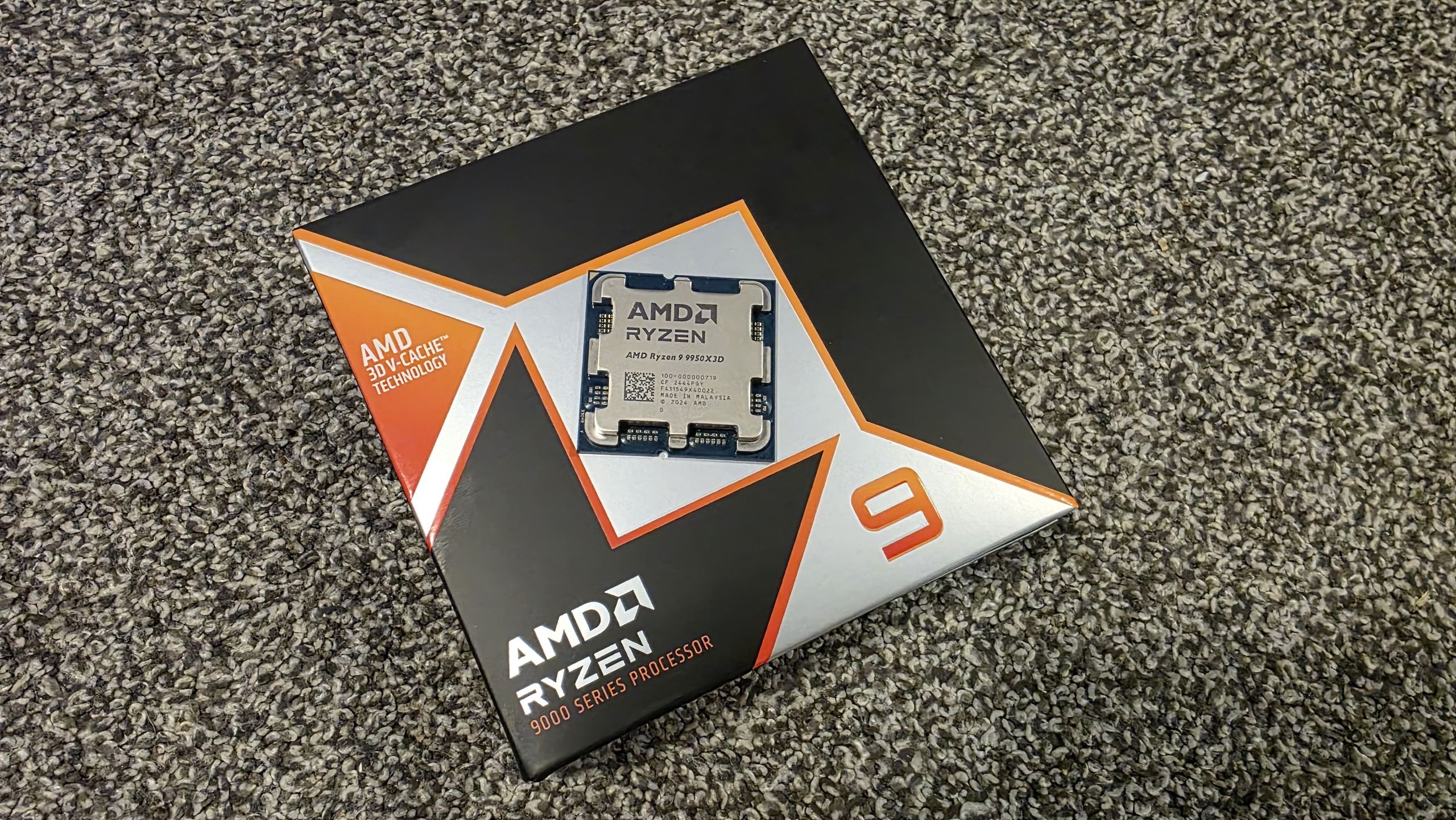
AMD’s Ryzen 9 9950X3D hit an all-time low of $573.99 at Amazon, 18% below launch price, and briefly reached the retailer’s best-sellers top spot. The 16-core, 32-thread chip remains positioned as a premium gaming-plus-productivity CPU, with the discount likely aided by the new Ryzen 9 9950X3D2 launch. The news is positive for AMD product demand and retail momentum, but the likely market impact is limited.
AMD is seeing a classic inventory-to-attach-rate inflection: when a halo SKU slips into a mass-market price band, it pulls forward upgrade decisions and increases the odds of a broader platform refresh, not just a one-off CPU sale. The second-order winner is the AM5 ecosystem — motherboard vendors, DDR5 makers, and cooler vendors — because the buyer psychology shifts from “can I justify a premium chip?” to “what is the minimum full-build spend to get the premium experience?” That matters because it can extend the useful life of AMD’s socket roadmap and raise the lifetime value of each enthusiast customer.
The competitive read-through is more interesting than the headline. Intel’s incremental share gains in client are most vulnerable at the high end, where buyers anchor on total system performance per dollar rather than CPU sticker price alone. If AMD keeps the 9950X3D within striking distance of mid-range alternatives on sale, it forces Intel to defend not just specs but bundle economics, which typically means margin pressure before it means volume share gains.
For AMZN, the signal is subtle but positive: premium hardware moving to bestseller ranks is a good indicator that the marketplace is still the first destination for informed enthusiast demand, which supports high-intent traffic and take-rate quality. The risk is that the current move is largely promotion-driven and may fade within days if stock replenishes or if AMD’s newer variant absorbs attention. In that case, the trade becomes less about sustained unit growth and more about a one-off channel clear-out, which is bullish for sell-through but not necessarily for forward pricing power.
The contrarian view is that this may actually be a sign of price normalization, not product strength: AMD could be teaching the market a lower clearing price for an aspirational SKU, compressing gross margin expectations on future launches. If that pattern repeats, the upside to unit demand may be offset by lower realized ASPs over the next 1-2 quarters, especially if the next refresh is perceived as enough of an upgrade to wait for.
AI-powered research, real-time alerts, and portfolio analytics for institutional investors.
Request DemoOverall Sentiment
mildly positive
Sentiment Score
0.35
Ticker Sentiment
