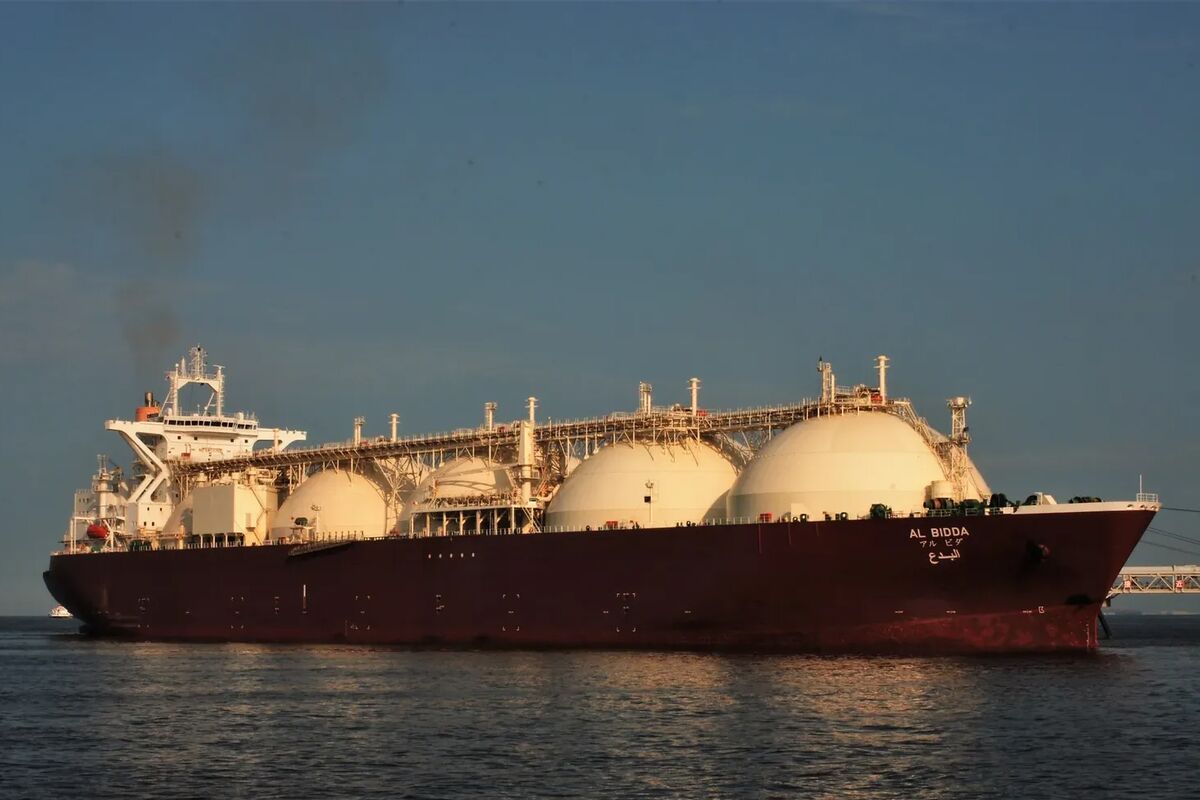
An LNG cargo from Qatar, the Al Bidda vessel, has been rerouted from its initial European destination (Belgium) to Singapore, according to Bloomberg ship-tracking data. This redirection is driven by surging Asian demand for liquefied natural gas, fueled by intense summer heat, indicating a responsive shift in global energy supply flows to meet immediate regional needs and potentially impacting European energy security.
A single liquefied natural gas (LNG) cargo, the Al Bidda from Qatar, has been redirected from its European destination in Belgium to Singapore, signaling a significant real-time response to shifting global energy demand. According to ship-tracking data, this diversion is driven by a surge in Asian demand for cooling fuel amid intense summer heat. The event highlights the increasing fungibility of the global LNG market, where cargoes can be rerouted mid-voyage to capture price arbitrage opportunities. While a single shipment has a low market impact, it demonstrates that Asian spot prices are currently strong enough to pull supply away from Europe, underscoring Europe's exposure to global competition for flexible LNG cargoes as it navigates its post-Russian gas supply landscape. The neutral sentiment for US-centric instruments like UNG suggests this specific event is viewed as a regional pricing dynamic between Asia and Europe, rather than a catalyst for North American gas markets.
AI-powered research, real-time alerts, and portfolio analytics for institutional investors.
Request DemoOverall Sentiment
mildly positive
Sentiment Score
0.25
Ticker Sentiment
