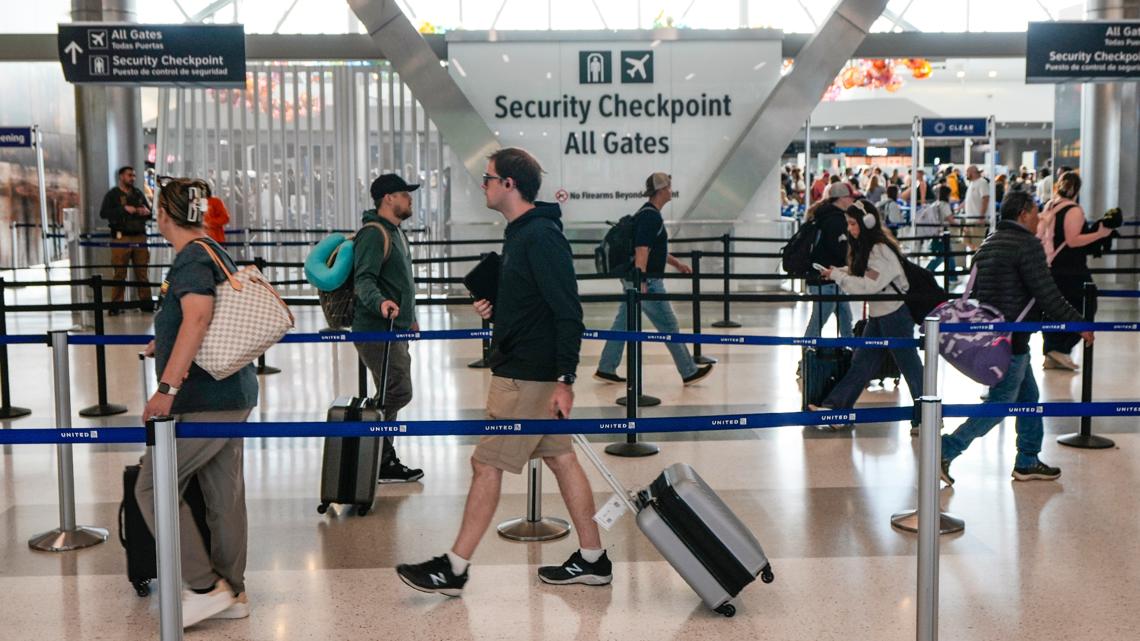
Middle East conflict-driven jet fuel shortages are prompting airlines to cancel flights days or weeks in advance, with Lufthansa Group cutting 20,000 short-haul flights through October. The article highlights heightened travel disruption risk ahead of the summer peak season and the World Cup, while emphasizing that passenger refund and compensation rights vary widely by region. Overall, the news is negative for airlines, airports, and travelers, but is primarily an operational headwind rather than a broad market shock.
This is less a pure airline story than a margin-transfer event from carriers to consumers and, indirectly, to airport-adjacent ecosystems. The first-order hit is to load factors and ancillary revenue, but the second-order effect is more important: network fragmentation raises connection failure rates, which disproportionately hurts hubs and legacy carriers with complex banks while favoring point-to-point operators and airlines with cleaner domestic schedules. The fact that cuts are being announced in advance suggests revenue management can partially adapt, but it also means yield pressure may show up before the actual cancellation dates as travelers reroute earlier and shop down-market.
The most interesting asymmetry is between regulated and unregulated jurisdictions. In Europe, duty-of-care and compensation regimes create a slower but more expensive earnings bleed for carriers because the cost is not just refunds; it is disruption handling, reaccommodation, and claim leakage that can persist for quarters. In the U.S. and parts of Asia, weaker statutory protections lower direct cash cost but increase brand risk and churn, so the profit hit can arrive through future booking softness rather than immediate compensation expense.
For macro, this is a demand-shifting rather than demand-destroying shock unless fuel prices keep climbing for several months. The near-term catalyst is the summer travel peak: if fuel stress forces more schedule cuts into July-August, booking curves should soften and last-minute fare inflation could fail to materialize, pressuring airlines with the most exposed short-haul leisure mix. The contrarian angle is that the market may overestimate the airline earnings hit versus the energy pass-through; if jet fuel stays elevated but capacity is trimmed early, the sector can preserve pricing power better than feared, while travel-tech and passenger-rights intermediaries see the cleanest operating leverage.
AI-powered research, real-time alerts, and portfolio analytics for institutional investors.
Request TrialOverall Sentiment
mildly negative
Sentiment Score
-0.35
