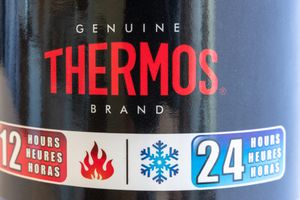
Thermos is recalling about 8.2 million food jars and beverage bottles after 27 injury reports, including three cases of permanent vision loss from stoppers forcefully ejecting on opening. The recall covers Thermos Stainless King Food Jars (models SK3000 and SK3020) and Sportsman Food & Beverage Bottles (model SK3010), with products sold from roughly March 2008 through July 2024 at major retailers and online. Thermos is offering free replacements and has asked consumers to stop using the affected products immediately.
This is not an earnings event for AMZN/WMT/TGT, but it is a brand-safety and liability reminder that the marketplace model externalizes product-quality risk while preserving the retailer's top line. The immediate read-through is modest because the per-ticker exposure is effectively zero, yet the second-order effect is that big-box and e-commerce channels will likely tighten seller compliance and accelerate takedown/review workflows for any food-contact or small-appliance item with latent defect risk.
The more material implication is margin drag at the margin: voluntary recalls create incremental customer-service load, reverse-logistics friction, and stricter vendor indemnity enforcement. That tends to benefit the most operationally disciplined retailers over time, because they can absorb compliance costs better than long-tail marketplace operators; it also raises the bar for third-party sellers and may modestly shift share toward first-party or private-label offerings with tighter QA control.
For Thermos, the issue is less the one-time recall cost than the long-tailed litigation and reputational damage from severe eye injuries. The risk window is months to years, not days: civil claims, possible insurance reserve adjustments, and a need for design changes can persist well after the recall headline fades. The market usually underestimates how quickly these incidents translate into higher product-liability premiums and more conservative channel terms for adjacent consumer brands.
Contrarian view: the headline is likely too small to move the retailers, but too severe to dismiss for the category. If this drives even a minor tightening of food-container sourcing standards, the beneficiaries are quality-control leaders and retailers with stronger vendor screening, while the losers are low-end private-label and gray-market sellers whose economics depend on lax oversight.
AI-powered research, real-time alerts, and portfolio analytics for institutional investors.
Request DemoOverall Sentiment
strongly negative
Sentiment Score
-0.70
Ticker Sentiment
