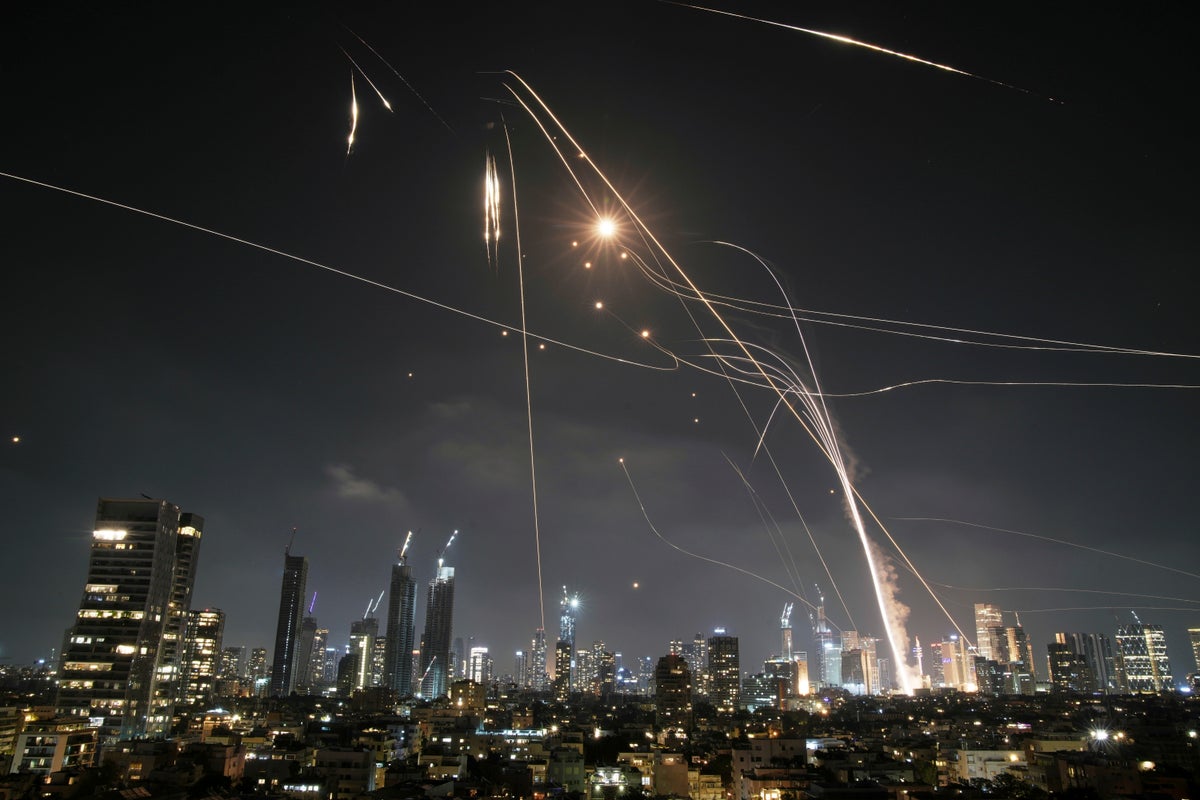
Amidst escalating conflict between Israel and Iran, experts suggest Iran has breached Israel's Iron Dome air defense system through a combination of tactics, including deploying a high volume of missiles to overwhelm the system, potentially using hypersonic glide vehicles with maneuverable flight paths, and possibly employing decoy drones or electronic warfare to disrupt radar. While the Iron Dome has historically been effective against smaller, predictable attacks, the scale and sophistication of Iran's recent strikes have exposed vulnerabilities in the defense system, leading to successful hits on Israeli targets.
The ongoing military conflict between Israel and Iran, which has resulted in at least 224 fatalities in Iran and 24 in Israel, marks a significant escalation with direct implications for regional security and defense technology. Expert analysis indicates that Iran has successfully breached Israel's Iron Dome air defense system, a development that challenges its long-held reputation for near-invincibility against missile attacks from entities like Hamas and Hezbollah. Security specialists Dr. Marion Messmer and Dr. Marina Miron attribute this breach to a combination of factors: primarily, the sheer volume of Iranian missiles overwhelming the system's interception capacity. Additionally, there is speculation regarding Iran's use of more sophisticated armaments, potentially including hypersonic glide vehicles (HGVs) capable of evasive maneuvers, and the deployment of decoy drones designed to confuse Israeli defenses or deplete interceptors. The Iranian Revolutionary Guards also claim a new methodology that caused Israeli defense systems to target each other. This situation underscores that while the Iron Dome is effective, it is not impervious to large-scale, technologically advanced assaults, moving beyond the smaller, predictable threats it has historically countered. The conflict's dynamics suggest a strategic shift in offensive capabilities within the region, with a strongly negative sentiment and a significant assessed market impact, particularly affecting themes of Geopolitics & War, Technology & Innovation, and Infrastructure & Defense.
AI-powered research, real-time alerts, and portfolio analytics for institutional investors.
Request DemoOverall Sentiment
strongly negative
Sentiment Score
-0.60
