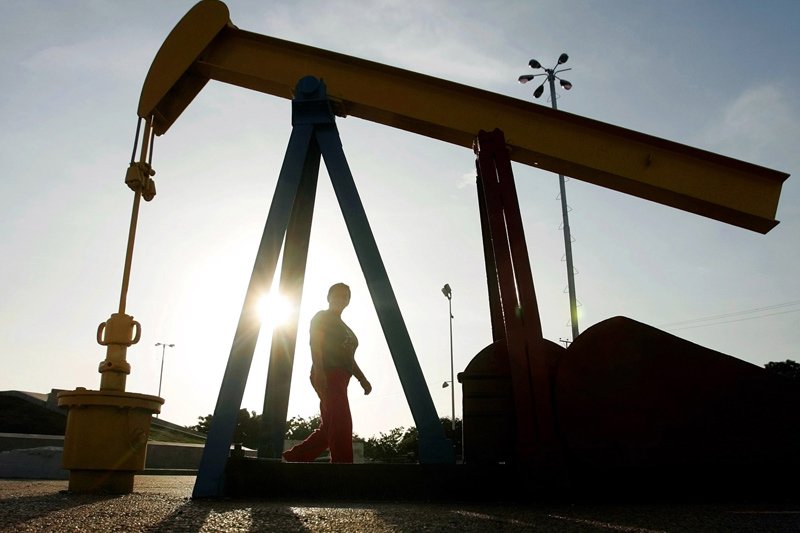
Fitch affirmed Alberta’s long-term issuer default ratings at AA with a Stable Outlook, along with senior unsecured debt at AA and short-term IDR at F1+. Fitch also highlighted a likely revenue windfall from higher oil prices tied to geopolitical tensions, which could support near-term budget balance, higher cash balances, and lower debt. The province’s economic liability burden is projected to rise to 63.8% of revenue in fiscal 2030 from 53.8% in fiscal 2025, but the rating outlook remains unchanged.
This is less a standalone Alberta story than a cross-asset signal on Canadian credit dispersion and the scarcity value of incremental hydrocarbon cash flow. If oil stays elevated for even a short window, the market will reprice provinces and royalty-linked credits with weak fiscal buffers more aggressively than the rating agencies, because near-term cash generation matters more than long-run diversification in a volatility regime. The second-order effect is that spreads can tighten not just on Alberta paper, but on any high-beta resource-sovereign exposure where refinancing risk had been priced off a benign energy curve.
The key nuance is that Fitch’s benign assumption set may already be stale if geopolitical supply risk persists, but the market should not extrapolate a structural fiscal reset from a tactical revenue burst. Alberta still has a concentrated revenue base, so a windfall can improve liquidity and reduce gross borrowing needs, yet it also raises the temptation to spend rather than de-lever, which limits duration of the credit benefit. That creates a classic “good headline, mediocre long-term credit” setup: front-end bonds and CDS can rally, while long-dated paper may see less sustained benefit once the revenue impulse fades.
For equities, the article is only indirectly relevant, but it reinforces the broader inflation impulse from energy shock risk, which is negative for long-duration growth multiples and positive for real-asset and pricing-power franchises. The market may be underappreciating that a sustained oil spike can tighten financial conditions through higher fuel and transport costs before it becomes visible in headline CPI, which tends to compress multiple expansion in high-beta software and AI names. In that context, the move is more about factor rotation than a direct earnings linkage.
AI-powered research, real-time alerts, and portfolio analytics for institutional investors.
Request DemoOverall Sentiment
mildly positive
Sentiment Score
0.15
Ticker Sentiment
