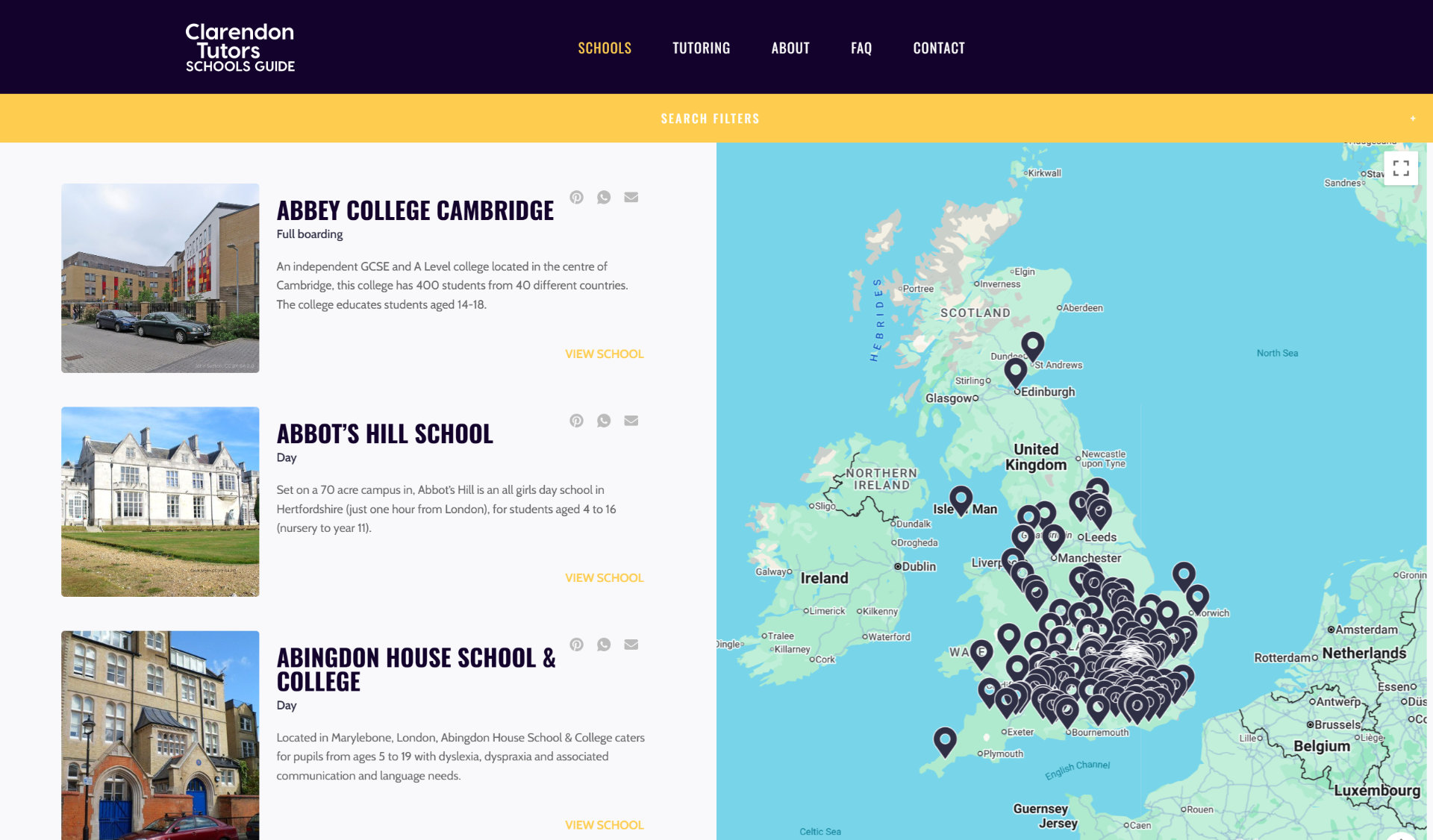
Clarendon Tutors launched a free, independent online guide to UK independent secondary schools, citing demand from 1,000+ surveyed parents seeking evidence-based school selection amid higher private-school costs after the Jan 1, 2026 VAT increase. The guide lets parents filter schools using metrics such as exam results, class sizes, leavers’ destinations, and SEND provision, and emphasizes that it has no advertising or commercial agreements with schools. Overall, this is consumer-focused product/news with no direct measurable market impact.
This is less a direct school-sector catalyst than a re-pricing of education demand. Once households are forced to scrutinize ROI, the marginal pound tends to shift from tuition fees into test prep, admissions advice, and data-heavy comparison tools; that makes ancillary education spend stickier than the schools’ own pricing power. The real loser is the broad middle of the independent-school market, where brand alone no longer offsets weaker outcomes or poorer transparency.
The second-order effect is a slower but more durable margin squeeze: schools will need to spend more on bursaries, admissions support, and disclosure just to defend enrollment, while families become more willing to negotiate. That dynamic favors elite schools with demonstrable outcomes and punishes “good enough” schools that relied on inertia. Over 6-18 months, the risk is not an abrupt collapse but a widening dispersion in occupancy and fee collection, which can force mergers or closures at the weakest end.
The contrarian view is that the consensus may be overestimating outright exits from private education. The more likely response is substitution: less discretionary spending elsewhere, more tutoring, and a higher hurdle for any school without hard data. The free-guide angle also matters because it reduces information asymmetry; once parents can compare schools on measurable variables, the moat shifts from reputation to evidence, which is structurally bearish for incumbents with soft differentiation.
AI-powered research, real-time alerts, and portfolio analytics for institutional investors.
Overall Sentiment
neutral
Sentiment Score
0.05
Ticker Sentiment
