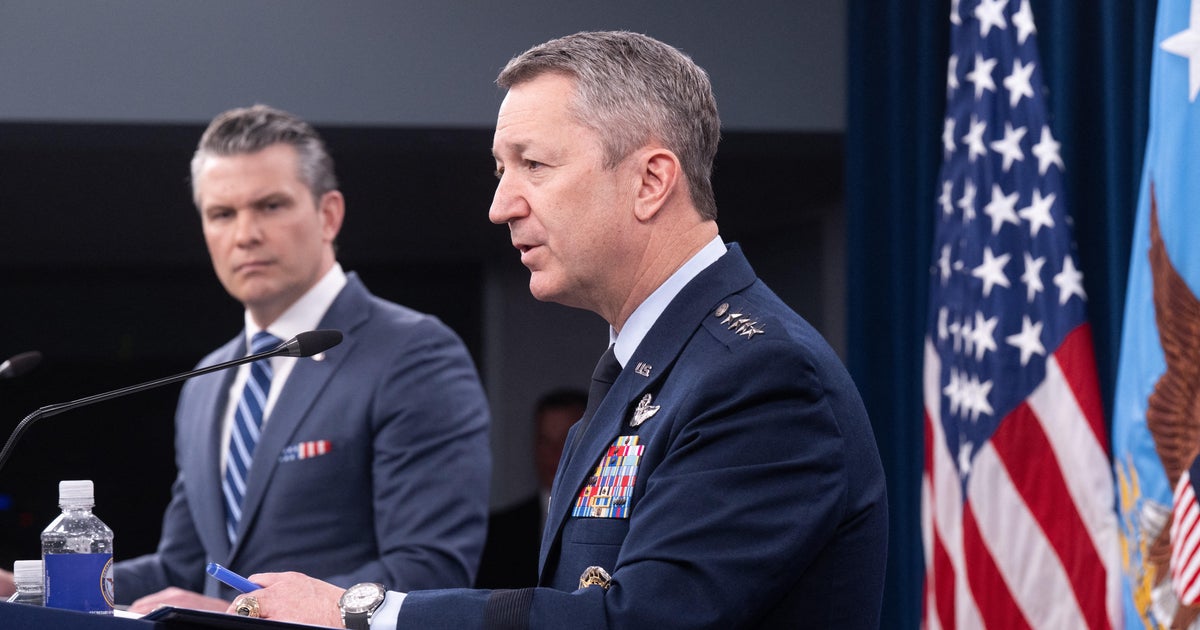
The U.S. is enforcing a naval blockade around the Strait of Hormuz, with Defense Secretary Hegseth warning that force will be used if ships do not comply. CENTCOM said 14 ships turned around in the first 72 hours, underscoring elevated disruption risk to a waterway that normally carries one-fifth of global oil flows. The article also highlights continued ceasefire uncertainty, U.S.-Iran negotiations, and the risk of renewed combat operations, making this a market-wide geopolitical shock with direct implications for energy and shipping.
The market is underpricing how quickly a Hormuz enforcement regime can turn a contained geopolitical shock into a global logistics tax. Even without a full shooting war, the combination of ship-turnbacks, higher naval insurance, rerouting, and slower port turnover creates a near-immediate squeeze on tanker availability and a second-order hit to refined-product flows into Asia and Europe. That matters more than spot crude alone: the first beneficiaries are freight rates, crude differentials, and firms with inventory optionality, while the biggest losers are refiners, chemical producers, and import-dependent industrials with thin working capital buffers.
The key catalyst window is days to weeks, not months. If transits remain suppressed for another 1-2 weeks, physical oil and LNG market participants will begin bidding up prompt delivery and backwardation should steepen, which mechanically benefits producers and shipping assets but hurts downstream margin capture. The most fragile point is Asia’s exposure to Gulf barrels: any sustained disruption forces a substitution chain through longer-haul Atlantic Basin supply, raising delivered costs and creating localized shortages even if headline Brent only rises moderately.
The contrarian risk is that the market may already be discounting a headline premium but not the operational friction premium. A ceasefire extension or a face-saving inspection protocol could deflate the geopolitical premium quickly, yet shipping bottlenecks would likely persist longer than headline prices because vessel routing, chartering, and insurance contracts reset with lag. That argues for expressing the trade through spread and options structures rather than outright oil beta. Another underappreciated point: the U.S. and allies have incentives to avoid a full closure, so the most probable outcome is not a clean escalation but a noisy, asymmetric disruption that rewards agility and penalizes exposure to just-in-time supply chains.
AI-powered research, real-time alerts, and portfolio analytics for institutional investors.
Request DemoOverall Sentiment
strongly negative
Sentiment Score
-0.70
