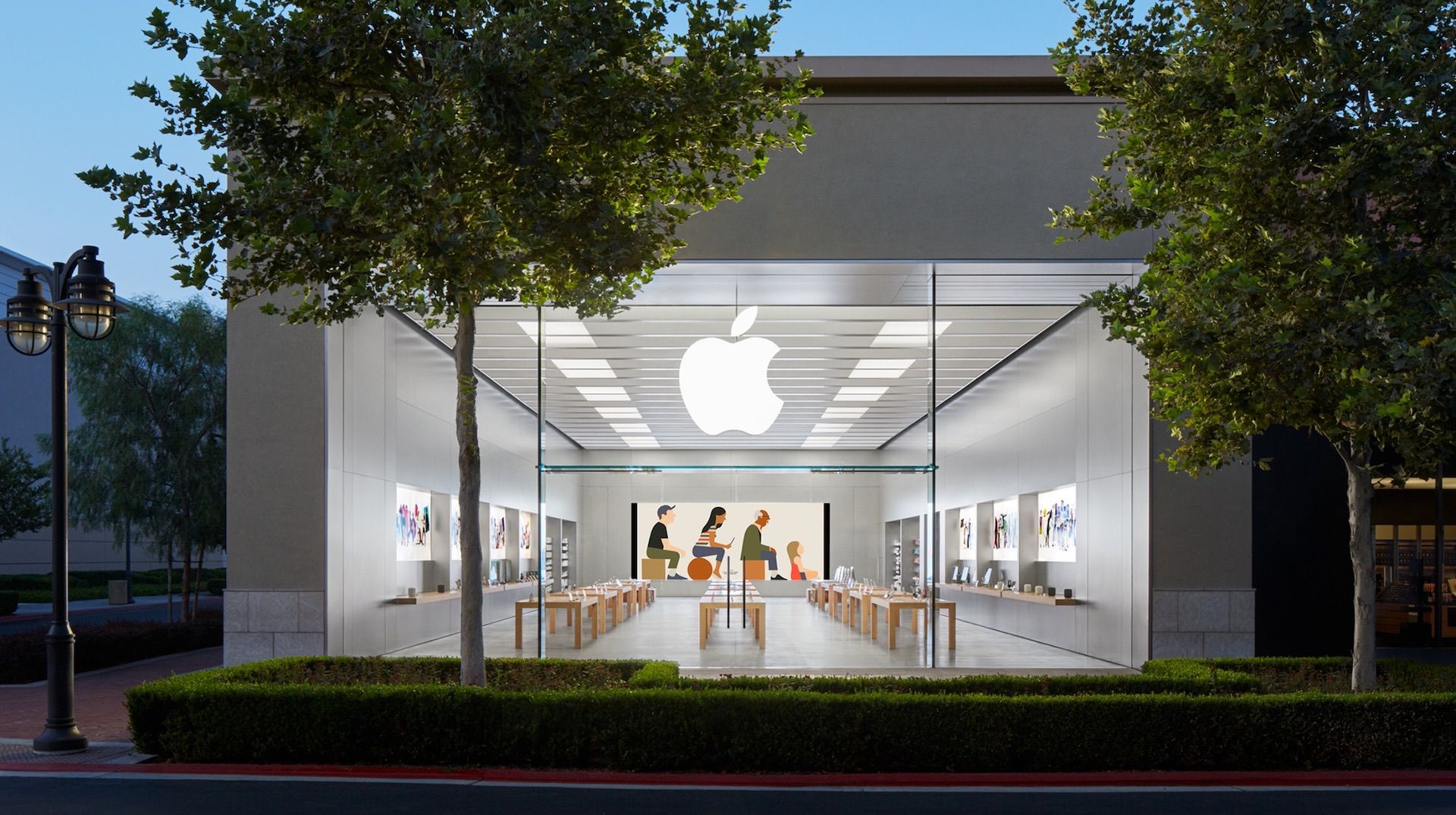
Two Apple retail locations—Apple Victoria Gardens (Rancho Cucamonga, CA) and Apple Chermside (Brisbane, AU)—will be temporarily closed starting Apr 11 and Apr 29 respectively; Victoria Gardens will open a temporary store at 12501 N Mainstreet, Suite 3610 and is slated to reopen in the fall (no specific date given, likely before the iPhone 18 Pro launch in September). Apple Trumbull (CT) and Apple Towson Town Center (MD) are also temporarily closed this week for unknown reasons, and Apple separately announced it will permanently close three U.S. stores in June (including Trumbull, North County Escondido, and Towson Town Center). These are localized retail/renovation actions with minimal expected revenue impact at the company level.
Apple’s continued, targeted store refreshes are best read as operational fine-tuning ahead of product cycles rather than a real estate retreat. Temporary smaller footprints and pop-ups compress casual walk-ins but concentrate demonstrator inventory and staff, which can lift conversion and accessory/AppleCare attach rates during the 4–12 week launch window by a low-single-digit percentage versus an unrefreshed store.
Second-order winners include premium mall landlords able to re-lease vacated apparel space to deep-pocketed tenants (improved NOI stability) and specialty contractors that execute high-end retail builds (lumpy but high-margin revenue). Short-term losers are local mall-dependent tenants facing reduced incidental foot traffic during closures; carriers and Best Buy can pick up a disproportionate share of activation and accessory sales while flagship stores are offline.
Key risks are execution: permit delays, contractor shortages, or poorly timed closures that miss the product-launch window would convert a modest sales uplift into a visible same-store-sales drag over a quarter. Monitor regional permitting timelines and Apple’s hiring/shift patterns at nearby stores as a 2–12 week real-time signal of whether the refurb will hit the device-launch cadence.
Contrarian angle: the market often underestimates the leverage from a refreshed retail base because physical stores disproportionately drive high-margin services and accessory spend in the first 4–8 weeks after a new iPhone. The move is likely modestly supportive of AAPL’s near-term revenue mix; it is not, however, a material thesis by itself — the trade is most attractive when paired with product-cycle catalysts and clear timing alignment.
AI-powered research, real-time alerts, and portfolio analytics for institutional investors.
Request DemoOverall Sentiment
neutral
Sentiment Score
0.00
Ticker Sentiment
