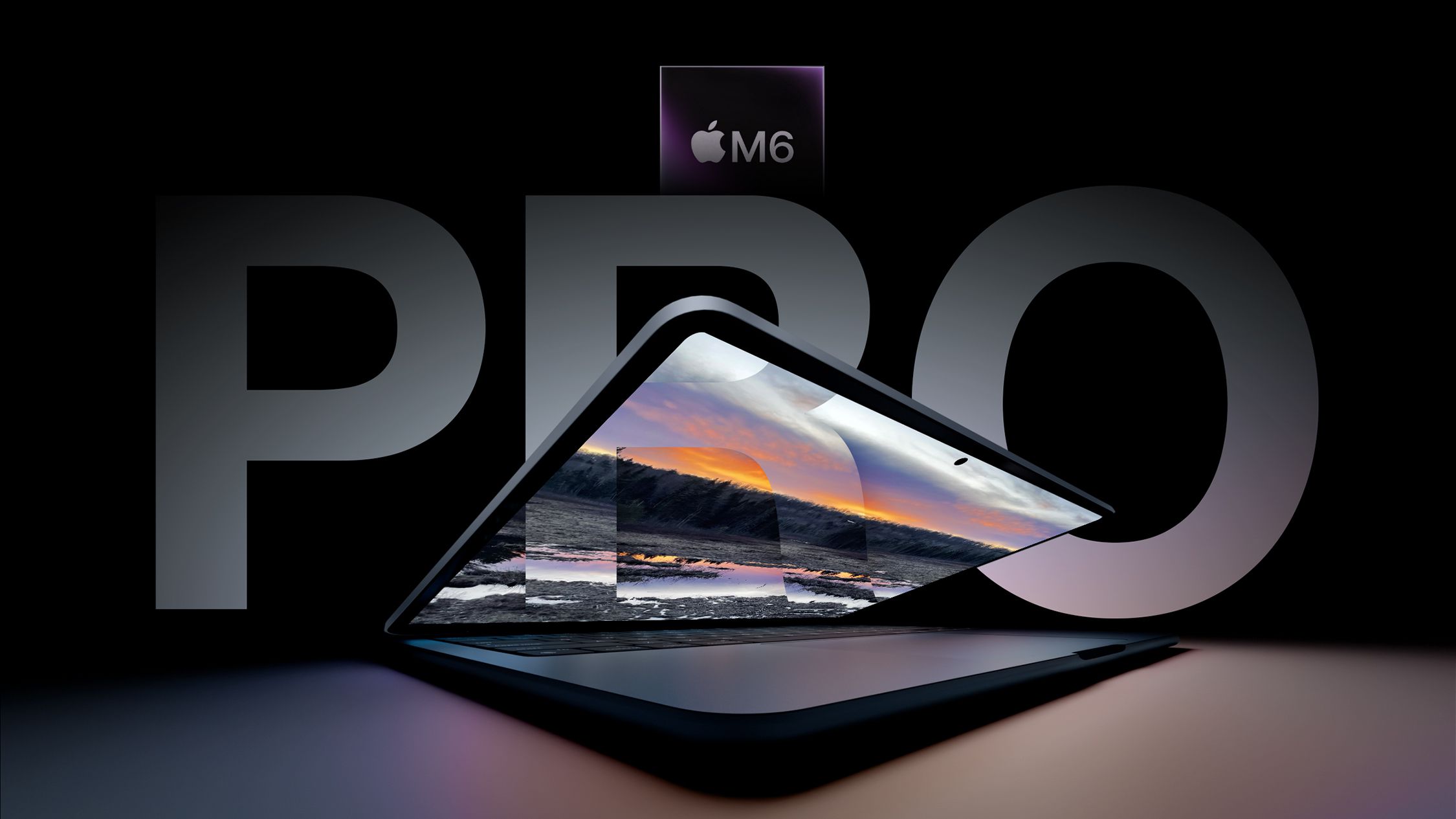
Samsung Display has begun production on its Asan 8.6-generation OLED line — a large-substrate fab optimized for laptop-sized rigid OLED panels with oxide TFT backplanes and tandem OLED stacks — signaling that Apple and other customers have completed qualification and reliability testing. The larger substrates promise higher yields and lower costs versus smartphone OLED lines, improving feasibility for Apple to replace mini‑LED in redesigned 14‑ and 16‑inch MacBook Pros that are expected to include touchscreens, hole‑punch (or pill) cameras and thinner frames. Bloomberg and analysts peg the machines for a late‑2026 to early‑2027 launch powered by M6 chips, following near‑term M5 Pro/Max updates; the development is a positive for Apple’s product roadmap and Samsung Display’s fab utilization, but is incremental rather than market‑moving in the near term.
Market structure: Samsung Display (and by extension Samsung Electronics 005930.KS) and upstream OLED equipment/material suppliers (e.g., Applied Materials AMAT, Merck MRK) are clear winners as 8.6G capacity drives laptop-sized panel scale economies; expect panel BOM cost for OLED MacBook panels to fall ~15–25% versus mini‑LED over 12–24 months, improving Apple gross margins on premium MacBooks. Losers include mini‑LED ecosystem suppliers and any LCD-focused panel vendors; OEMs reliant on high-margin mini‑LED differentiators (small-cap suppliers with >40% mini‑LED revenue) face margin compression and potential writedowns. Competitive dynamics: Apple securing large-format rigid OLED at scale raises its pricing power in the premium laptop segment and increases switching costs for rivals who lack equivalent display partners, likely accelerating share loss for high-end Windows OEMs by 200–300bps within 18 months.
Risk assessment: Tail risks include yield shortfalls at the new 8.6G line, a delay by Apple (pushing launch beyond early 2027), or geopolitical/export controls disrupting glass or TFT supply — any of which could cause a >10% revenue deferral for suppliers. Near-term (days–weeks) market moves will hinge on supplier qualification confirmations; short-term (3–12 months) hinges on Apple announcements and initial shipments; long-term (12–36 months) depends on adoption rates and ASP erosion. Hidden dependencies: oxide‑TFT and tandem OLED materials are concentrated among a few suppliers in Japan/Europe; material shortages or pricing shocks could widen panel ASPs despite fab scale. Catalysts to watch: Apple supplier listings, Samsung Display quarterly capacity utilization, and Apple MacBook shipment guidance at WWDC/FY results.
Trade implications: Establish a modest 1.5–3% long AAPL equity position sized to conviction ahead of M5/M6 roadmap, targeting +12–18% into the product-cycle (late 2026–early 2027) with a 6% trailing stop; complement with a 1–2% long in AMAT for equipment exposure (target +20% if OLED capex ramps). Trade a relative-value pair: long Samsung Electronics (005930.KS) 2% vs short mini‑LED‑dependent small caps (identify holdings with >40% mini‑LED revenue) sized 1–2% to hedge panel wins. Options: buy Jan 2028 AAPL calls 15–25% OTM (15–25% of a 1% notional) to leverage upside into launch while selling 4–6 week calls against positions to finance theta. Rotate 3–6% cash from mini‑LED/materials names into display/equipment exposures over the next 3–9 months.
Contrarian angles: Consensus assumes smooth Apple migration to OLED; that understates execution risk — historical parallels (iPhone OLED ramp) show multi‑quarter yield volatility and dislocation for secondary suppliers. The market may be underpricing the risk that touchscreen MacBooks cannibalize iPad demand or force Apple to forgo price increases, compressing net margin gains to <5% for the MacBook line. Another overlooked outcome: accelerated OLED scale could commoditize large‑format panels by 2028, pressuring panel ASPs and rewarding equipment/materials over panel OEMs. If Samsung fails to meet yields, LG Display or BOE could re-enter, creating a multi‑year supplier race and cyclical volatility worth a tactical hedge.
AI-powered research, real-time alerts, and portfolio analytics for institutional investors.
Request DemoOverall Sentiment
mildly positive
Sentiment Score
0.30
Ticker Sentiment
