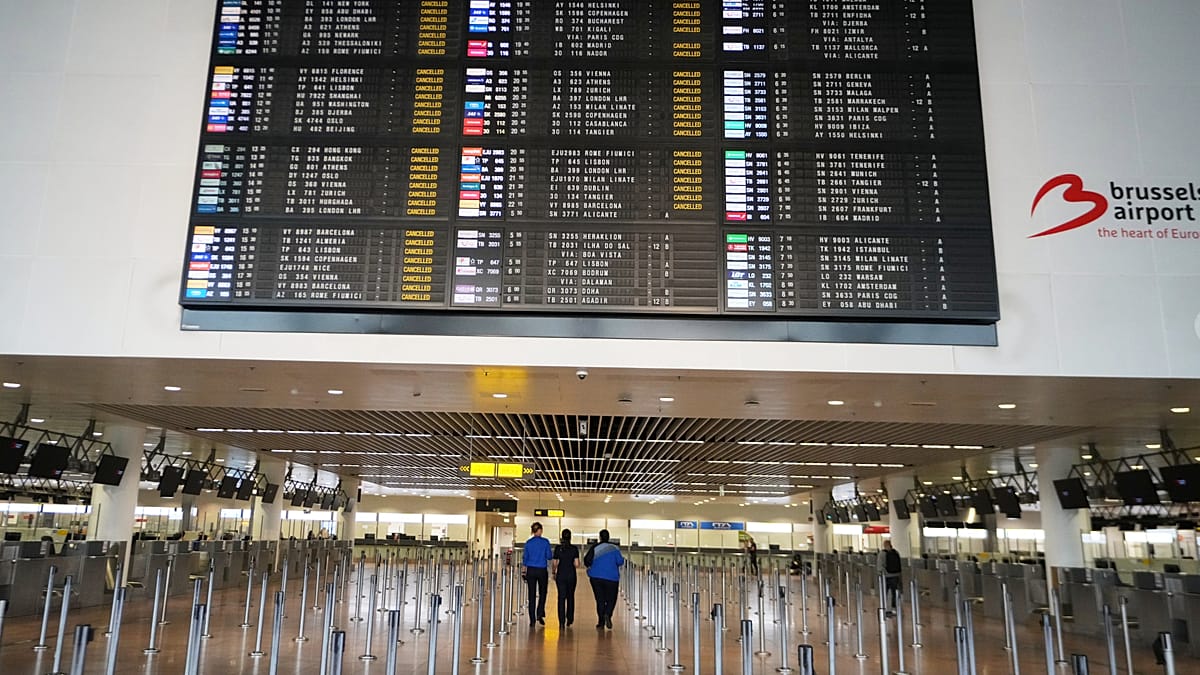
Belgium is facing major transport disruption as three unions launch coordinated strikes over government austerity measures, including a proposed rise in the statutory retirement age. A 72-hour rail strike from 23 Nov (22:00) through the last trains on 26 Nov will leave SNCB operating only ~20% of services; metro, tram and buses in Brussels are also heavily affected. Brussels Airport has announced it will not operate departing flights on 26 Nov and Brussels South Charleroi cannot operate scheduled arrivals or departures that day; airlines and Eurostar are offering rebooking/refunds, with only half of Brussels–Paris Eurostar services and partial international routes expected to run. The disruption risks localized revenue and schedule impacts for carriers, airports and rail operators and could cause wider travel and logistics delays across the region.
Market structure: Short, concentrated disruption favors modal substitutes and flexible operators. Short‑haul carriers able to reposition aircraft/crew (low-cost carriers with large secondary‑airport footprints) and express air‑cargo providers capture incremental demand; Brussels‑centric incumbents face near‑term revenue loss of ~1–3% for the impacted 3‑day window and higher rebooking costs. Liquidity/slot markets may see transient price dislocations (secondary airport handling fees, last‑mile trucking) for 1–2 weeks.
Risk assessment: Tail risks include escalation to rolling nationwide strikes or government emergency measures that compress travel revenue for a quarter; low probability but >10% if negotiations fail. Immediate effects (0–7 days) are operational revenue hits and higher unit costs; short term (weeks) could see margin pressure and reputational churn; long term (quarters) depends on pension reform outcome and political cycle with potential structural modal shifts. Hidden dependencies: cross‑border rail cuts elevate short‑haul air demand and parcel network stress, creating asymmetric winners between passenger and freight operators.
Trade implications: Expect localized volatility in airline and airport equities and short‑dated options premia; implied vols likely to retrace within 2–3 weeks absent escalation. Relative value favors underweighting Brussels‑centric carriers vs pan‑European diversified airlines and overweighting express logistics names for a 1–8 week horizon. Catalysts to trade around: union statements (next 48–96 hours), government parliamentary vote timelines (0–30 days), and winter booking windows (30–90 days).
Contrarian angles: Market may overprice systemic impact—strike is concentrated and the market impact score is low (0.15), so broad airline sector selloffs are likely overdone. History shows short, high‑visibility strikes cause one‑off revenue losses but limited long‑term share shifts unless repeated; opportunistic short‑dated volatility sales and targeted pair trades exploiting exposure differences are preferable to blanket shorts. Unintended consequence: heavy hedging by carriers could compress short‑term liquidity and deepen option moves, creating arbitrage in volatility surfaces.
AI-powered research, real-time alerts, and portfolio analytics for institutional investors.
Request DemoOverall Sentiment
moderately negative
Sentiment Score
-0.45
