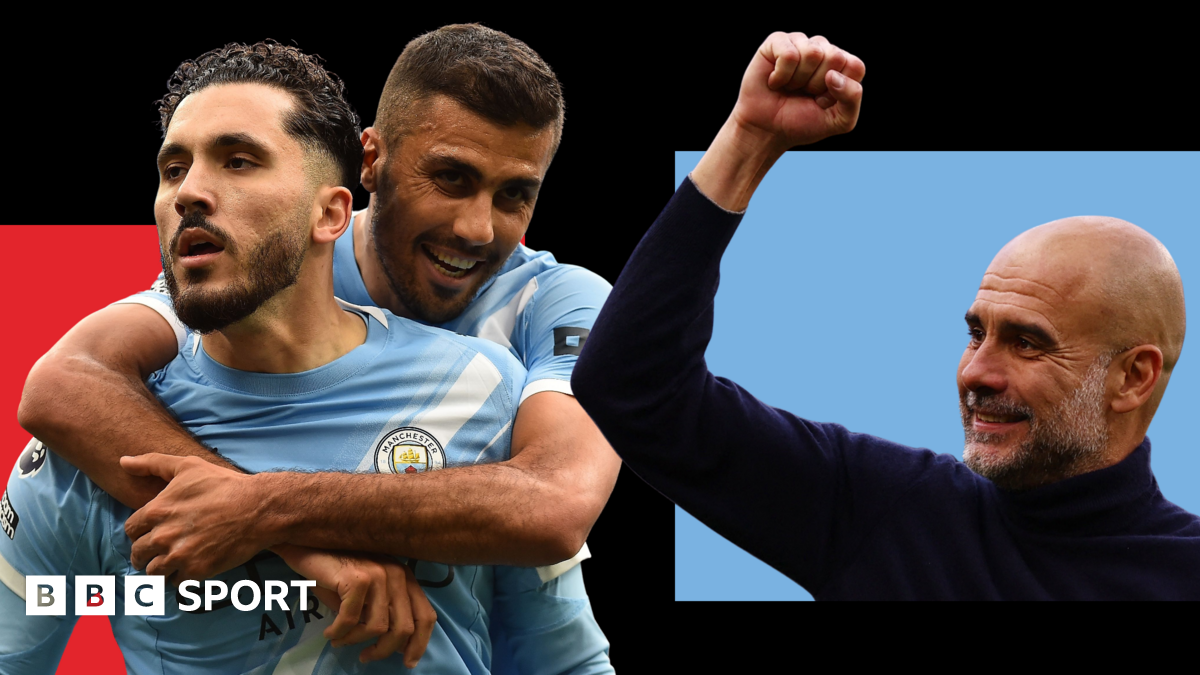
Manchester City’s 2-1 win over Arsenal keeps the Premier League title race tight, with Arsenal still top but under pressure after losing two league games in a row. The article argues City now have the edge because they are fresher after exiting Europe and have found a settled XI that has scored 9 goals and conceded 1 across their last three matches. Arsenal’s performance was praised despite the loss, but their missed chances and recent home defeat to Bournemouth have dented momentum and sentiment.
The market implication is not the headline result; it is the shift in probability around the title race and the downstream effects on sentiment-linked exposures. City’s setup looks more robust because the most important variable into a compressed fixture run is not peak quality but repeatability: a settled core, lower European load, and a manager who can preserve intensity with fewer selection shocks. That typically matters more in the final six to eight league matches than “best team” narratives, because variance comes from fatigue, not talent.
For Arsenal, the bigger risk is not one loss but the psychological tax of having to play catch-up while carrying visible fragility in front of their own crowd. That can create a short-term feedback loop: tighter passing, more conservative shot selection, and increased exposure to set-piece or transition mistakes as the margin for error narrows. If they fail to convert the next home match, the market should expect a meaningful downgrade in title-implied confidence over the following 10-14 days, even if underlying performance remains decent.
The contrarian read is that the consensus may be overpricing “momentum” for City and underpricing schedule variance for Arsenal. City still need near-flawless execution, and any injury to the handful of fixed starters would reintroduce the rotation drag that has defined their season. The best trading edge is therefore not a binary title bet, but using the market’s tendency to extrapolate the latest emotional result too far into the next three fixtures.
Second-order, the article is a reminder that the media ecosystem rewards narrative compression: a single high-profile win can rapidly re-anchor expectations, which can feed into fan sentiment, broadcast engagement, and near-term attention flows around club-related commercial partners. That effect is usually temporary, but it can amplify volatility around matchdays and create one- to two-week opportunities in sentiment-sensitive names tied to global football consumption.
AI-powered research, real-time alerts, and portfolio analytics for institutional investors.
Request DemoOverall Sentiment
neutral
Sentiment Score
0.15
