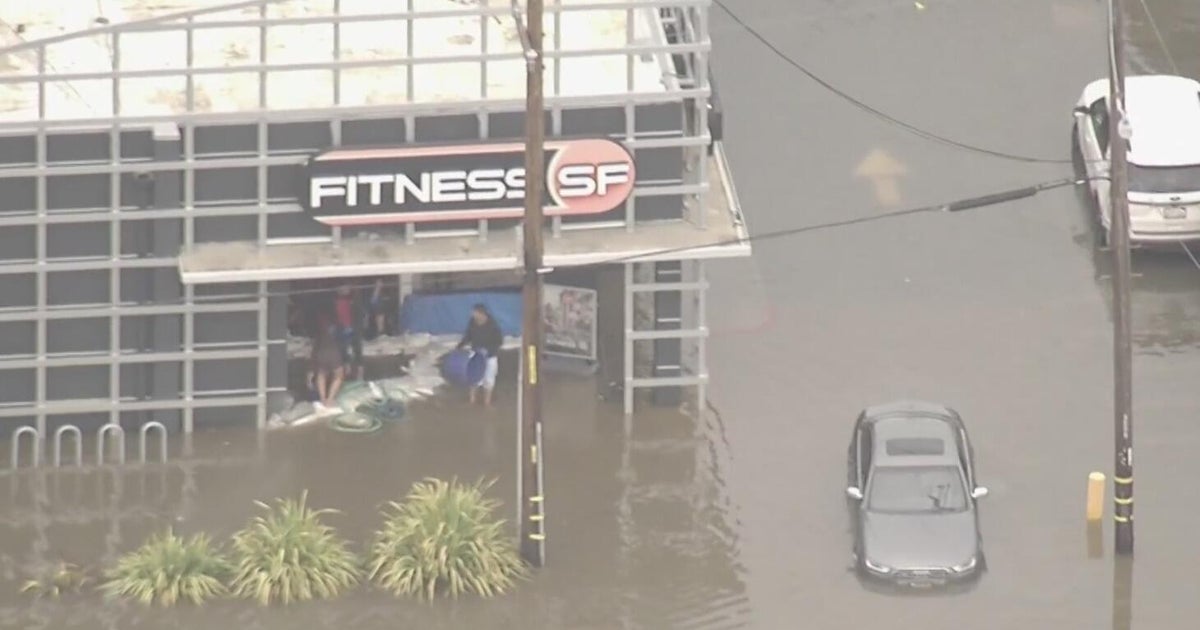
Marin County and other Bay Area shorelines experienced coastal flooding as king tides coincided with an incoming storm and up to 1.3 ft of storm surge, producing inundation forecasts up to 2.5 ft above ground in low-lying areas. San Francisco tidal gauge readings are forecast at 2.2 ft above normal Friday and 2.5 ft Saturday (the highest since 1998), with warnings of numerous road closures and inundation of homes, businesses and some critical infrastructure, plus sustained winds of 15–25 mph (gusts to 50 mph) and localized rainfall of ~0.25–3 inches. The event implies localized operational/disruption risk, potential property and insurance impacts, and short-term transportation constraints for investors with regional exposure.
Market structure: Immediate winners are civil-engineering and remediation contractors (AECOM - ACM, Jacobs - J, Tetra Tech - TTEK) and construction-materials suppliers (Martin Marietta - MLM, Vulcan Materials - VMC) who gain pricing power for seawalls, road repairs and mattressed permits over 6–24 months. Direct losers include Bay‑Area coastal retail/SMB real estate, small regional banks with concentrated mortgage books, and short‑tail P&C insurers (Travelers - TRV, Allstate - ALL) facing elevated claims and higher near‑term loss pick-ups. Cross-asset: expect a spike in insurer implied vol / equity weakness, modest widening in California muni spreads (20–50bp risk if issuance spikes), and incremental demand for cement/aggregate lifting those commodity-related equities.
Risk assessment: Tail risks include a >$1bn insured-loss storm event that could force reinsurer retentions and regulatory rate reviews, and accelerated state-level restrictions on coastal development that impair long-term property valuations. Time horizons: days—business interruption and transit disruptions; weeks—claims flow and insured loss recognition; quarters to years—infrastructure capex budgets and repricing of coastal real estate. Hidden dependencies: federal disaster aid, reinsurance renewals (March–June), and supply-chain lags for heavy materials could amplify margins or delay revenue recognition. Key catalysts: NOAA tide/claim reports, CA emergency funding votes, and Q1 reinsurance renewal pricing announcements.
Trade implications: Tactical overweight engineering/materials equities for 6–18 months: establish 2% position in ACM and 1.5% in J, and 1% in MLM—expect 12–25% upside if municipal capex accelerates. Hedge insurer exposure: take a 0.8–1% tactical short via TRV/ALL 3‑month 5% OTM puts if implied vol >30% or buy inverse ETF exposure to P&C sector for 1–2 months to capture repricing. Pair trade: long TTEK (6–12 months) vs short TRV (3 months) to express structural capex upside vs near‑term claims risk. Consider buying CA muni green bonds (target 5–10yr maturities) selectively if 10y muni/UST spread widens >20bp.
Contrarian angles: Consensus underestimates multi‑year adaptation spend—markets treat king‑tide events as transitory, yet CA has a multi‑billion annual gap in coastal defenses; that implies engineering/materials are underpriced for 12–36 months. Conversely, insurer equity hits could be overdone if losses remain sub‑$500m and reinsurance cushions hold—be ready to flip short‑insurance exposure into opportunistic long positions post‑claims. Unintended consequence: stricter coastal permitting could constrain housing supply inland, benefiting inland homebuilders/REITs and construction equipment makers over 2–5 years.
AI-powered research, real-time alerts, and portfolio analytics for institutional investors.
Request DemoOverall Sentiment
moderately negative
Sentiment Score
-0.35
