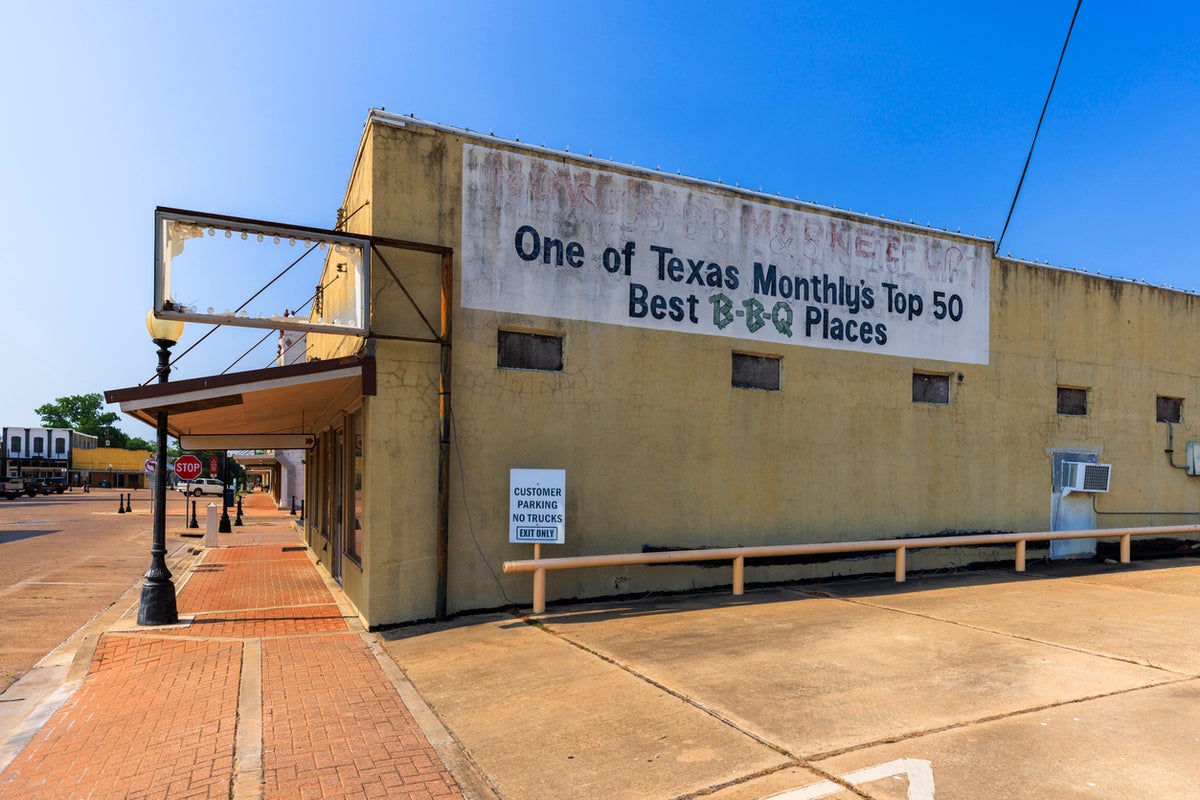
U.S. beef prices hit a record $9.64 per pound in April, up 13% year over year, and the surge is forcing Texas BBQ joints to close or raise prices sharply. Owners cited “absolutely insane” beef costs, with brisket reaching $38 a pound at one top BBQ chain and some restaurants reporting customers may spend $70 to $100 per meal. The pressure is being driven by inflation, tariffs, the smallest U.S. cattle herd in 75 years, and concentrated meatpacker pricing, prompting state and federal scrutiny.
This is less a “beef inflation” story than a margin-transfer event: upstream cattle supply is tight, but the pricing power appears to sit with packers and branded retail channels that can pass through costs faster than independent foodservice operators. The losers are highly fragmented, commodity-like concepts with a single hero item and limited menu flexibility; the winners are operators with mix diversification, strong beverage attachment, or institutional procurement scale. Expect the weakest independents to rationalize menus, reduce hours, or close over the next 3-9 months as cash flow becomes too volatile to bridge.
The second-order effect is demand destruction, but not evenly. Premium barbecue is being reclassified from routine meal to discretionary occasion purchase, which should compress traffic frequency before absolute price ceilings are hit. That creates a bifurcation: value-oriented regional chains may actually gain share if they can hold check averages below the psychological threshold where households simply trade down to grocery-store protein or chicken-based QSR.
The real catalyst path is policy, not weather. A meaningful reversal likely requires a combination of herd rebuilding, normalization of packer spreads, and tariff relief; none of those are fast. Near term, the risk is further upside in boxed beef prices and more aggressive menu repricing into late summer, which could trigger an ugly volume reset for restaurants that overestimated pass-through. The more interesting contrarian point is that public packers may not fully benefit if regulators force margin compression or investigative overhang expands; in that case, the price spike helps ranchers and grocers less than investors expect, while restaurant equities remain the cleanest short.
AI-powered research, real-time alerts, and portfolio analytics for institutional investors.
Request DemoOverall Sentiment
strongly negative
Sentiment Score
-0.65
