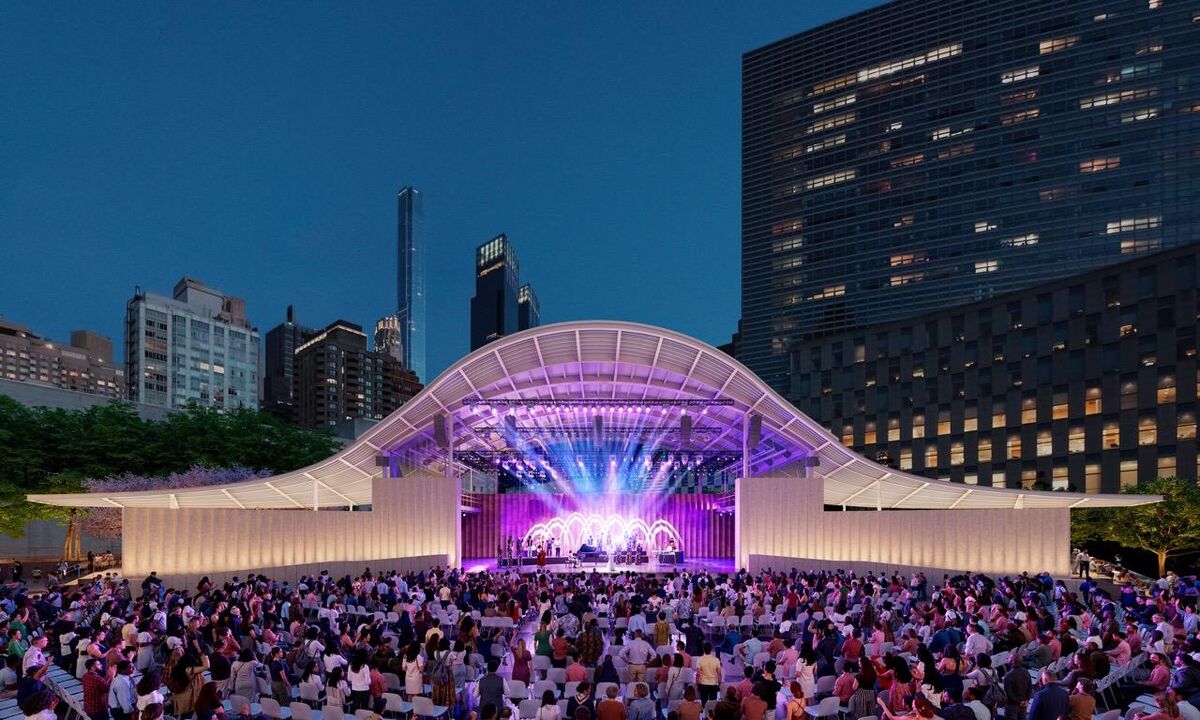
Ron Baron is directing a $75 million gift to Lincoln Center for the Performing Arts to help build a 2,000-seat outdoor theater with free performances. The piece ties the donation to Baron’s SpaceX-driven wealth and to New York City politics, as construction began amid backlash over Mayor Zohran Mamdani’s proposed pied-à-terre tax. The article is primarily a philanthropy and local politics story with limited direct market impact.
This is less about one donor and more about the signaling function of ultra-high-net-worth capital in a politically charged city: when private wealth visibly substitutes for contested public spending, it tends to reduce near-term pressure for policy concessions while increasing scrutiny of wealthy residents over time. That creates a wedge between cultural/nonprofit beneficiaries and the broader real-estate and tax-policy ecosystem, where incremental symbolic gifts may be interpreted as an attempt to buy legitimacy rather than neutral philanthropy.
Second-order, the likely winners are not the arts institutions alone but the ecosystem around urban placemaking: construction contractors, premium hospitality, adjacent retail, and branded donors who benefit from association with civic infrastructure. The loser set is more diffuse—anti-wealth populists gain a cleaner narrative, while New York-based luxury real estate and private club adjacencies face a higher probability of policy noise, even if actual legislation remains hard to pass. The key market implication is reputational: more billionaire visibility can paradoxically harden the political case for wealth taxes or pied-à-terre taxes over a 6-18 month horizon.
The market is likely underpricing the optionality around tax-policy escalation because the catalyst is not economic weakness but intra-city political theater. If the mayor’s agenda shifts from rhetorical pressure to a credible legislative coalition, high-end residential demand and discretionary spend in NYC can feel second-order impacts faster than most expect. Conversely, if philanthropy cascades from other billionaires, the pressure valve opens and the tax fight becomes more symbolic than financially binding.
Contrarian view: the consensus may be too focused on the headline philanthropy and missing that these gifts can function as a defense mechanism against regulation, not a signal of policy retreat. That means the right trade is less about the cultural beneficiary and more about the exposed assets that would be re-rated if the city’s wealth concentration becomes a campaign issue again.
AI-powered research, real-time alerts, and portfolio analytics for institutional investors.
Request DemoOverall Sentiment
neutral
Sentiment Score
0.10
