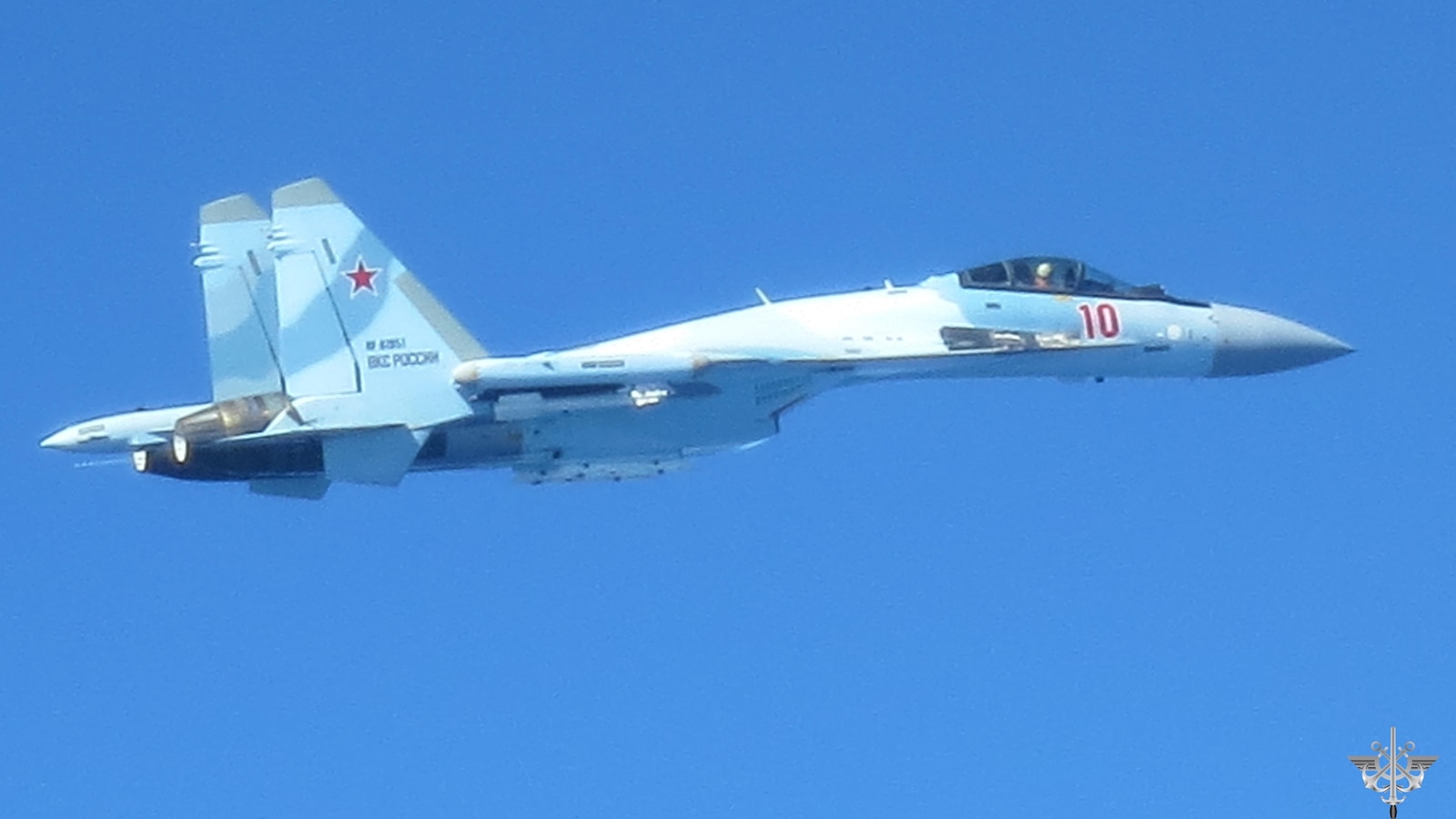
NATO scrambled French Rafale fighters and allied jets to intercept Russian Tu-22M3 bombers and about 10 fighter escorts over the Baltic Sea on Monday. Russia said the mission was scheduled and lasted more than four hours over neutral waters, while Lithuania said NATO jets were scrambled four times from April 13-19 to intercept aircraft that violated flight rules. The episode underscores persistent military tension on NATO’s eastern flank, but it is routine enough to be more defensive than market-disruptive.
This is less about the intercept itself and more about the normalization of a high-frequency, low-escalation military contact regime on NATO’s northeastern flank. The market implication is a persistent uplift in readiness spending, munitions consumption, and air-defense utilization rates, which tends to benefit prime contractors and maintenance/logistics providers before it is visible in headline procurement budgets. The second-order winner is the ecosystem around sortie generation: spares, engines, secure comms, ISR, and base infrastructure all see steadier demand than platform-only names.
The near-term risk is not kinetic escalation so much as operational fatigue. Repeated scrambles burn through pilot hours, maintenance cycles, and interceptor availability, which can force accelerated procurement decisions over the next 6-18 months. That dynamic is particularly supportive for European defense budgets already under pressure to move from pledges to funded orders, while making legacy air-policing missions a quiet but durable revenue stream for defense suppliers exposed to NATO air bases and sustainment contracts.
The contrarian view is that this is already embedded in defense multiples, but the market still underprices the duration of elevated readiness. If Russian activity remains calibrated rather than escalatory, the bigger beneficiary is not the obvious headline defense primes alone; it is the less flashy supply chain tied to air base hardening, munitions replenishment, and electronic warfare resilience. Conversely, if the frequency of encounters drops, the tactical premium may compress quickly, but the structural spending impulse should persist unless there is a broad détente, which looks unlikely on a 12-month horizon.
AI-powered research, real-time alerts, and portfolio analytics for institutional investors.
Request DemoOverall Sentiment
mildly negative
Sentiment Score
-0.15
