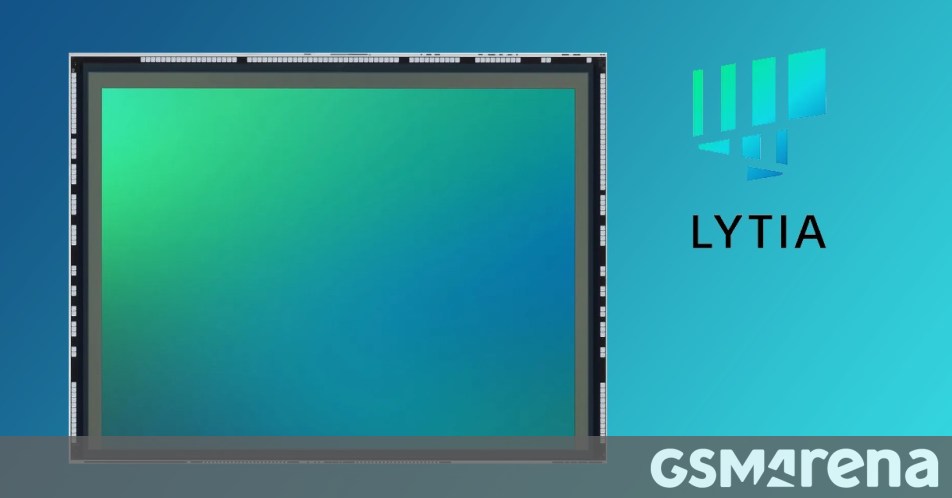
Sony introduced its first LOFIC image sensor, the Lytia 910, a 50MP 1/1.28-inch sensor with 100dB dynamic range from a single exposure and 4K 60fps HDR video support. The sensor uses Triple Conversion Gain HDR and Ultra High Conversion Gain circuits, which Sony says cut random noise by about 30% versus prior sensors. Mass production begins this summer, with smartphone adoption expected in Q4; the technology is also relevant to automotive cameras and could support upcoming devices from Sony, vivo, and possibly Samsung.
Sony’s edge here is less about a single sensor spec and more about re-anchoring the premium smartphone camera stack around in-sensor HDR. If this performs as advertised in volume, it reduces dependence on compute-heavy multi-frame pipelines, which should lower thermal load, latency, and battery drain in flagship video use cases — all of which matter more than raw megapixels in real-world consumer perception. That creates a subtle but important moat for Sony in high-end mobile imaging, while putting pressure on rivals that have differentiated mainly through software processing.
The second-order winner is the handset OEMs that ship first with credible low-light/HDR gains without a material BOM penalty. That likely benefits high-end Android names that market photography as a primary differentiator, and it also helps automotive-adjacent imaging optionality over a multi-year horizon because flicker robustness is a structural feature, not a marketing one. The likely loser is any competitor whose camera story depends on computational stacking and post-processing — the incremental benefit of those algorithms compresses if the sensor itself closes the gap.
The market may underappreciate that this is not an immediate revenue step-change for Sony, but a margin-and-mix catalyst over 2–4 quarters as the sensor rolls into Q4 launches. The key risk is execution: if the sensor ships with yield issues, poor power efficiency, or only marginal real-world gains versus existing solutions, the enthusiasm fades quickly. A second risk is competitive imitation; if Samsung or OmniVision narrows the performance delta within 6–12 months, Sony’s pricing power could be shorter-lived than the headline suggests.
AI-powered research, real-time alerts, and portfolio analytics for institutional investors.
Request DemoOverall Sentiment
mildly positive
Sentiment Score
0.35
Ticker Sentiment
