

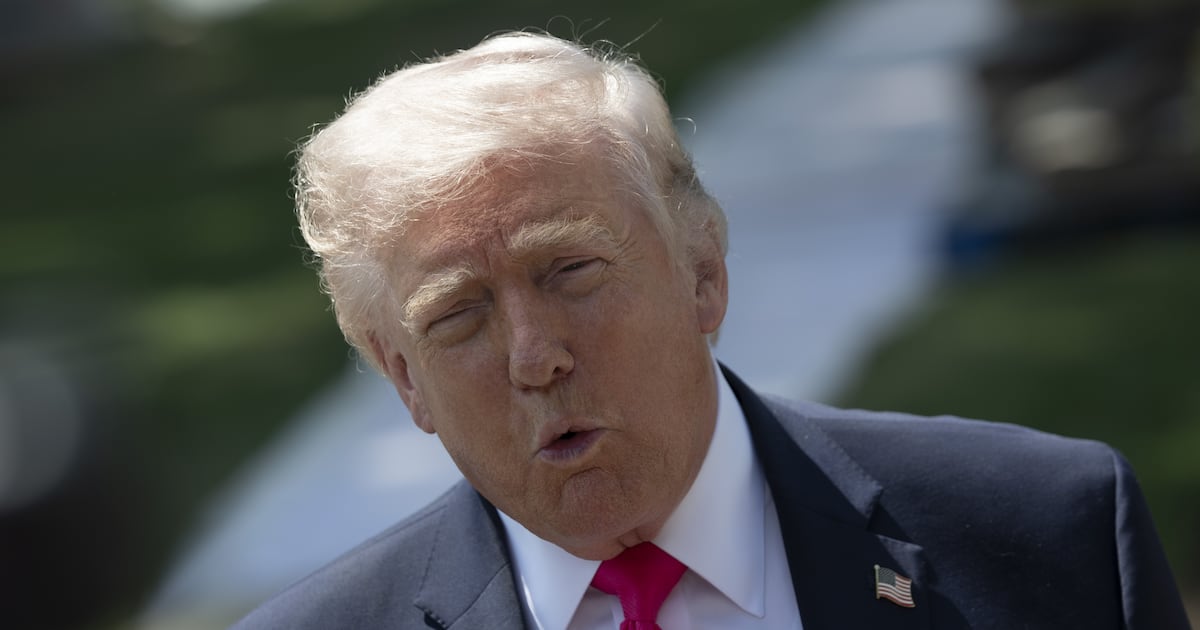
The White House has postponed, rather than canceled, a planned executive order on AI after internal disagreement over how much regulation to impose on the industry. The proposed framework would have asked AI companies to voluntarily give the government an early look at new models before public release, but David Sacks pushed Trump toward a more hands-off approach. The dispute highlights competing priorities between speed, national security, and safeguarding against misuse, with negotiations now back at square one.
The near-term market read-through is not about a broad AI selloff; it is about the probability distribution around governance. A voluntary review regime would likely be absorbed as a manageable compliance cost for frontier labs, while a harder federal approval process would disproportionately raise switching costs for smaller model developers and slow launch cadence. That shifts relative advantage toward the largest platforms with the deepest legal, security, and lobbying benches, which is modestly supportive for incumbent cloud/AI ecosystem leaders and mildly negative for pure-play disruptors that rely on speed to narrow the gap.
Second-order effects matter more in cybersecurity and defense than in model training itself. Any framework that adds pre-release scrutiny implicitly validates the idea that frontier models create national-security externalities, which should keep federal procurement, red-teaming, and model-auditing spend elevated for multiple quarters. That is constructive for vendors selling security tooling, observability, and government-facing AI infrastructure, but it also raises the odds of procurement delays and bespoke compliance layers that can slow conversion of pilot wins into revenue.
The key catalyst is presidential reversibility, not legislative process. Because the decision appears reversible on a short fuse, the tradeable window is measured in days to weeks, not years: headlines can flip from deregulation to quasi-review and back again. The bigger tail risk is a surprise compromise that formalizes voluntary disclosure in a way that becomes de facto mandatory through federal contracting pressure; that would create a slow-burn multiple compression for mid-cap AI software names rather than an immediate drawdown in megacap hyperscalers.
The contrarian view is that the market may overestimate the regulatory bite and underestimate the signaling value of a public compromise. If the framework stays voluntary, this is effectively a coordination mechanism for large incumbents to shape standards and entrench their moat, not a brake on innovation. In that case, any pullback in AI leaders should be bought, while the more interesting relative short is the long tail of smaller AI vendors that need frictionless deployment to justify premium growth valuations.
AI-powered research, real-time alerts, and portfolio analytics for institutional investors.
Request TrialOverall Sentiment
neutral
Sentiment Score
0.00
Ticker Sentiment
