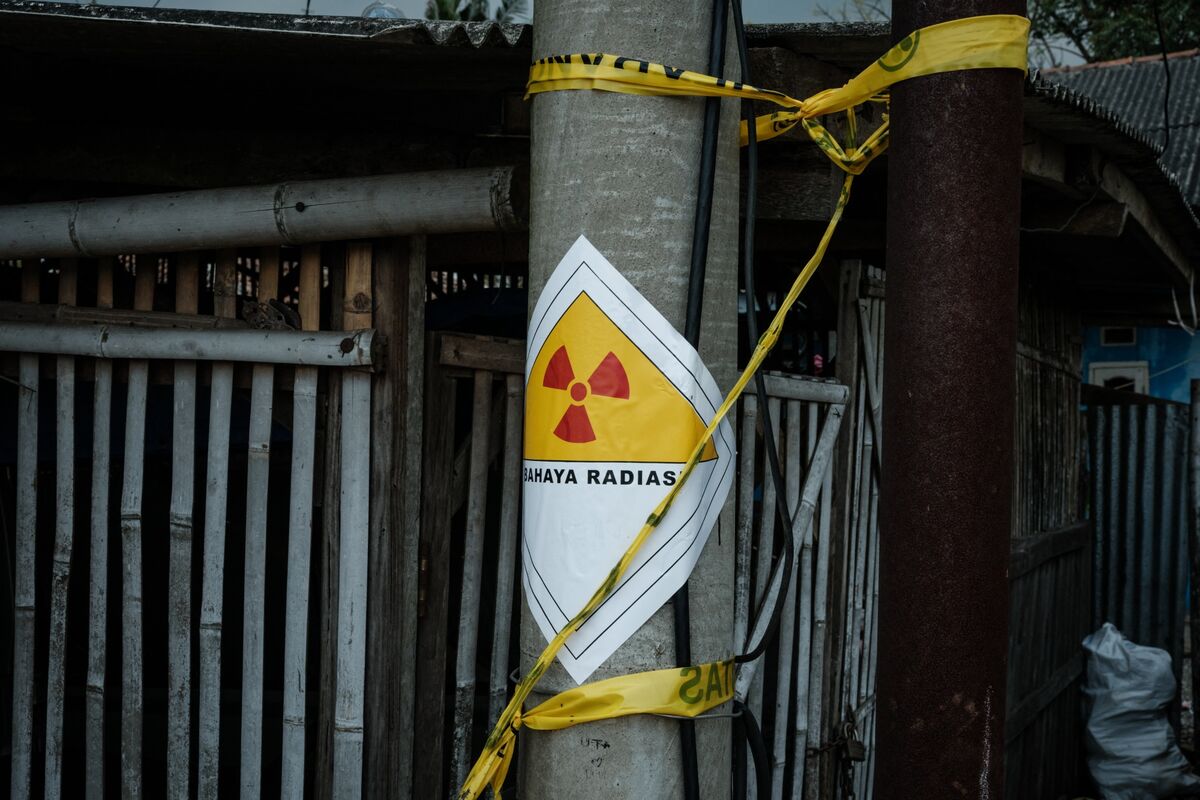
Indonesian authorities have named Lin Jingzhang, a Chinese director of PT Peter Metal Technology, as a suspect in a cesium-137 contamination incident at an industrial estate in western Java. The contamination led to radioactive shrimp and sneakers being exported as far as the United States, raising immediate legal exposure for the company, reputational risk for Indonesian exporters, and potential regulatory or trade scrutiny that could disrupt supply chains and consumer goods shipments.
Market structure: Immediate winners are environmental remediation and hazardous-waste service providers (e.g., Clean Harbors, CLH) and independent testing/inspection labs that can capture new contracts; losers are Indonesian exporters (seafood, footwear), local smelters, and logistics operators that face recalls, bans and rising compliance costs. Expect short-term price pressure on spot shrimp and related small exporters, and a hit to inbound trade volumes from western Java for 2–12 weeks while inspections proceed. Cross-asset: Indonesian IDR and short-dated sovereign paper are vulnerable (wider CDS and 50–200bp risk premium increase plausible), while shipping insurers and reinsurance spreads may tick wider by 10–30bp.
Risk assessment: Tail risks include an extended multi-country ban (US/EU/China) on Indonesian seafood for 3–6 months, a wider recall wave forcing shutdowns of 5–10% of export capacity, or civil litigation vs. foreign-owned smelters creating multi-year liabilities. Immediate timeframe (days): contagion headlines and selective port holds; short-term (weeks/months): regulatory audits and export restrictions; long-term (quarters+): tighter licensing for scrap/smelters and persistent higher compliance costs. Hidden dependencies: informal scrap-metal channels and inadequate source controls make recurrence more likely unless regulation and enforcement change materially.
Trade implications: Tactical trades favor long positions in remediation/hazardous-waste services (CLH) and global testing labs (pairs in Europe if available) and short exposure to Indonesia via EIDO (MSCI Indonesia ETF) and USD/IDR FX. Options plays: buy 3–6 month CLH calls for upside on incremental contracts and buy put spreads on EIDO or USD/IDR to cap cost of short exposure. Sector rotation: reduce Indonesia/small-cap EM exporters, rotate into US consumer staples (KO, PG) and industrial testing/remediation names for 3–12 month horizon.
Contrarian angles: Consensus will overstate systemic risk—if contamination is localized and enforcement is surgical, remediation names may be overbought; watch for a 10–20% snapback once shipments resume. Historical parallel: isolated contamination recalls typically compress within 2–3 months after inspections, not years, so size shorts in EIDO for 3–6 months only. Catalysts to watch: official import bans from US/EU in next 7–30 days, IDR >2.5% intraday move, or government closure of industrial estate (would justify widening positions).
AI-powered research, real-time alerts, and portfolio analytics for institutional investors.
Request DemoOverall Sentiment
moderately negative
Sentiment Score
-0.35
