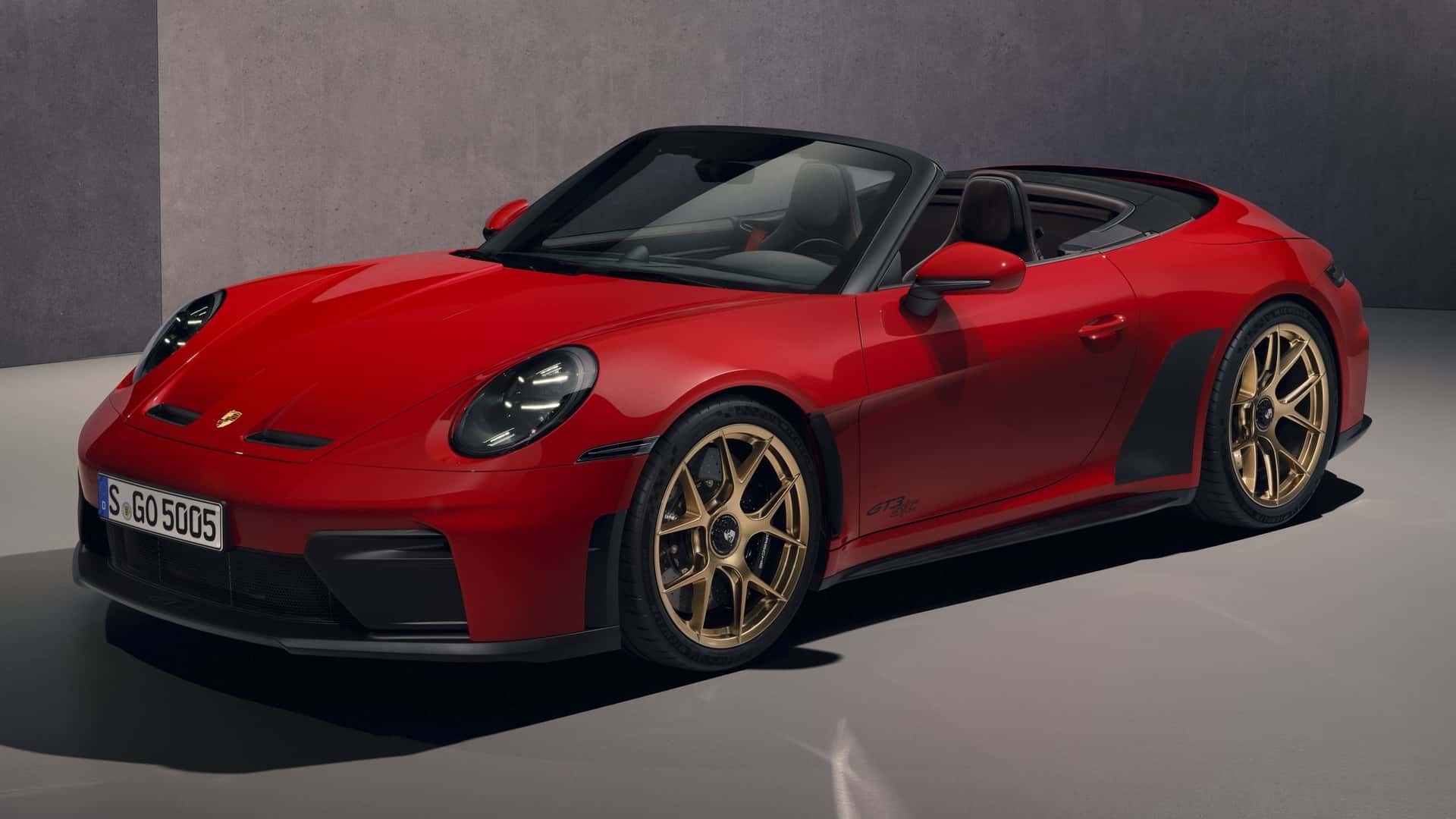
Porsche is expanding the 911 lineup with the new 911 GT3 S/C, a manual-only two-seater convertible priced at $275,350 and scheduled to reach U.S. dealers this fall. The model pairs a 502-hp naturally aspirated 4.0-liter flat-six with a fully automated roof and weighs about 66 pounds more than the Speedster, while still undercutting a similarly equipped coupe by roughly 11%. The launch reinforces strong 911 momentum, with 2025 deliveries up 22% through March to 13,889 units and full-year 2025 deliveries already at a record 51,583.
This is less about a single halo car and more about Porsche monetizing scarcity at the top of the demand stack. The key second-order effect is pricing power: a manual, naturally aspirated, open-top 911 with low-volume complexity helps preserve mix even if broader luxury auto demand softens, and it does so without the balance-sheet risk of large-capex platform changes. It also reinforces Porsche’s ability to keep stretching the 911 family upward while protecting resale values, which matters because residual strength is a hidden driver of lease economics and dealer allocation discipline.
The real beneficiary set extends beyond Porsche to the niche suppliers that sit on the content-rich trim stack: carbon composites, magnesium, ceramic braking, and high-performance tire ecosystems should see better attach rates if this strategy continues. The competitive signal is more interesting than the product itself: by leaning into manual-only and roof-mechanism complexity, Porsche is explicitly targeting collectors and affluent purists, not volume buyers. That can lift profit per unit even if unit growth slows, but it also narrows the addressable market and makes the segment more sensitive to wealth effects.
The main risk is timing. This kind of launch is strongest as long as equity and housing wealth remain intact; if high-end consumer sentiment rolls over over the next 6-12 months, the take-rate on ultra-expensive enthusiast trims can fall quickly. Another underappreciated risk is regulatory: the combination of high emissions sentiment and manual-N/A fetishization is emotionally powerful but strategically fragile if future compliance costs force further de-contenting or pricing step-ups.
Consensus may be underestimating how much this supports Porsche’s brand moat rather than just near-term sales. The market often treats halo launches as incremental, but the more durable benefit is that they pull the entire 911 ladder upward, supporting ASPs across lower trims and helping defend margins even in a softer macro. That said, the optimism may be overdone if investors assume halo demand is infinitely elastic; exclusivity works until wealth-sensitive buyers start substituting into used 911s and alternative prestige goods.
AI-powered research, real-time alerts, and portfolio analytics for institutional investors.
Request TrialOverall Sentiment
mildly positive
Sentiment Score
0.20
