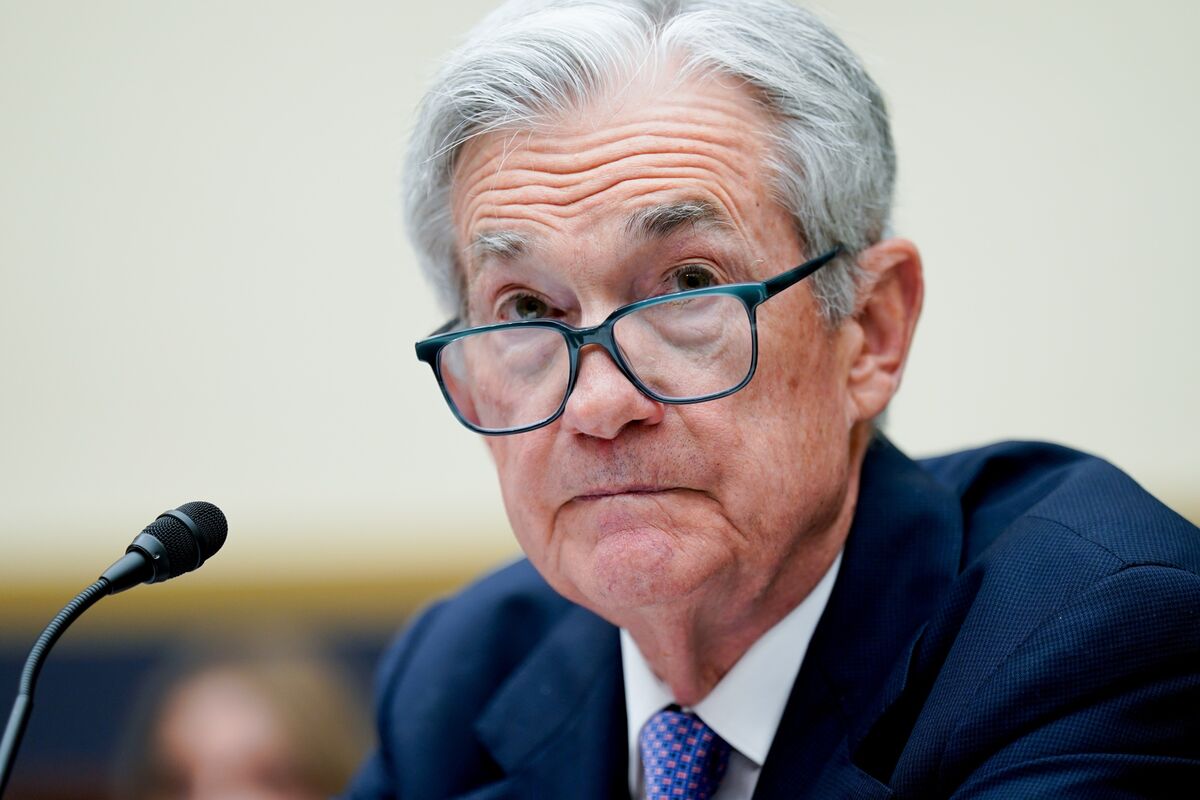
The Federal Reserve is widely expected to maintain interest rates at its July 29-30 meeting for the fifth consecutive time, with investors unlikely to receive a clear signal on future rate-cut timing from Chair Jerome Powell's remarks. While potential dissents from some FOMC officials could indicate a preference for earlier easing, the consensus points to a continued holding pattern, leaving market participants without explicit guidance on the path forward for borrowing costs.
The Federal Reserve is poised to maintain its current interest rate for a fifth consecutive meeting at its July 29-30 gathering, reinforcing a period of policy stasis. Market participants anticipating explicit guidance from Chair Jerome Powell on the timing of a future rate cut are likely to be left without a definitive signal, sustaining an environment of uncertainty that aligns with the mildly negative sentiment observed. While a rate hold is the consensus expectation, the critical data point for investors will be any dissents within the Federal Open Market Committee. The emergence of dissenting votes in favor of easing would indicate a growing internal debate and could serve as a leading indicator of a forthcoming reduction in borrowing costs, even as the official statement remains non-committal.
AI-powered research, real-time alerts, and portfolio analytics for institutional investors.
Request DemoOverall Sentiment
mildly negative
Sentiment Score
-0.15
