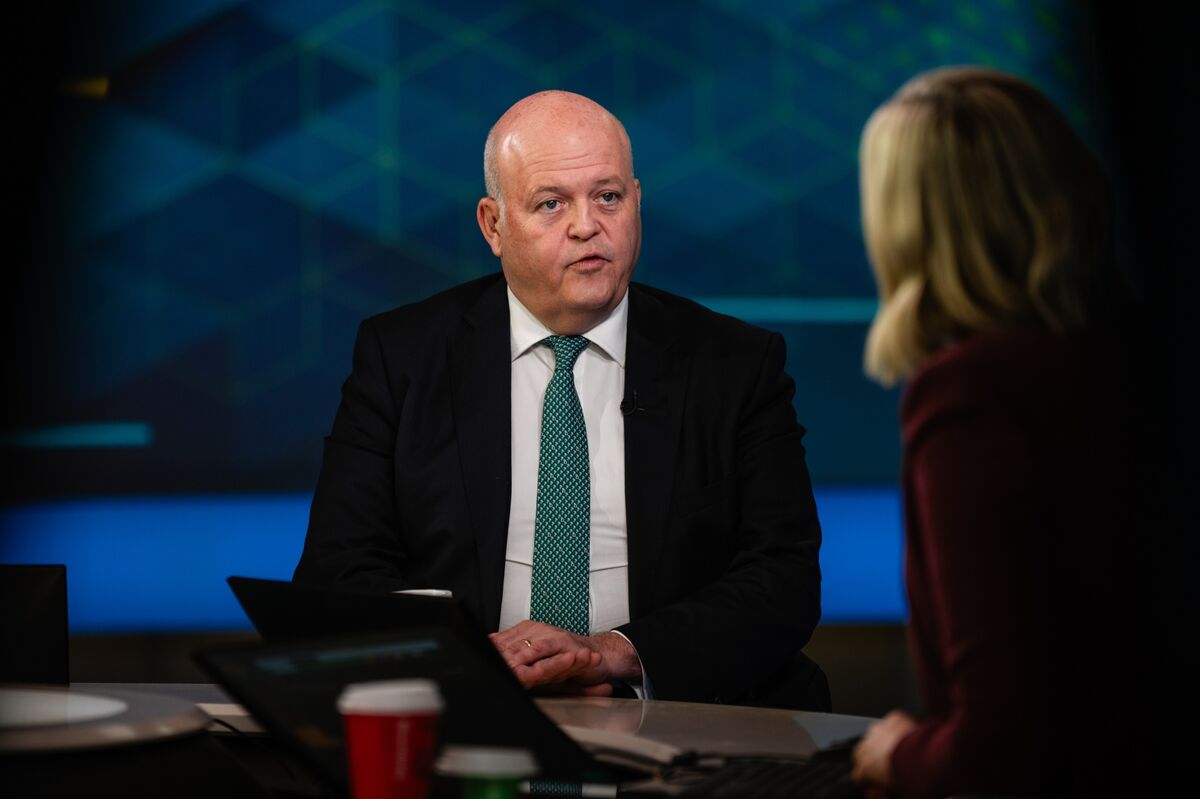
AIB Group CEO Colin Hunt warned not to assume a sustained moderation in oil prices despite the US and Iran agreeing to halt the war in the Middle East. He said it is still too early to know whether the agreement will improve Ireland's growth outlook, underscoring lingering geopolitical and energy-price risk. The comments point to a cautious macro backdrop rather than a clear near-term lift.
The market is likely pricing the first derivative of lower geopolitical risk, but the second derivative matters more: if crude gives back only part of the risk premium, beneficiaries will be concentrated in the most energy-intensive, margin-sensitive segments rather than the broad market. Airlines, chemicals, trucking, and European consumer cyclicals get the clearest near-term relief, but that relief fades quickly if freight rates, insurance premia, or natural gas follow oil lower only temporarily. In other words, this is a dispersion setup, not a clean beta rally.
The key risk is that a diplomatic pause does not equal a durable supply normalization. The fastest path to a reversal is any sign that shipping lanes, refinery infrastructure, or sanctions enforcement remain vulnerable; those shocks tend to reprice within days, while any growth boost to Europe/Ireland would take quarters to show up and may never fully materialize if confidence remains damaged. For banks and domestically exposed lenders, lower fuel costs help disposable income only after consumers believe the shock is over, so the earnings benefit is likely lagged and smaller than the headline suggests.
Consensus is probably underestimating how much of the recent move in energy-sensitive assets was a geopolitical hedge unwind rather than a fundamental demand call. If crude merely stabilizes instead of breaking materially lower, high-cost producers and refiners with weaker feedstock optionality can outperform on relative margins, while downstream consumers get less of a windfall than advertised. The best expression is therefore to fade the most expensive beneficiaries of calmer oil unless there is evidence that supply risk has genuinely reset for weeks, not hours.
AI-powered research, real-time alerts, and portfolio analytics for institutional investors.
Request DemoOverall Sentiment
mildly negative
Sentiment Score
-0.20
