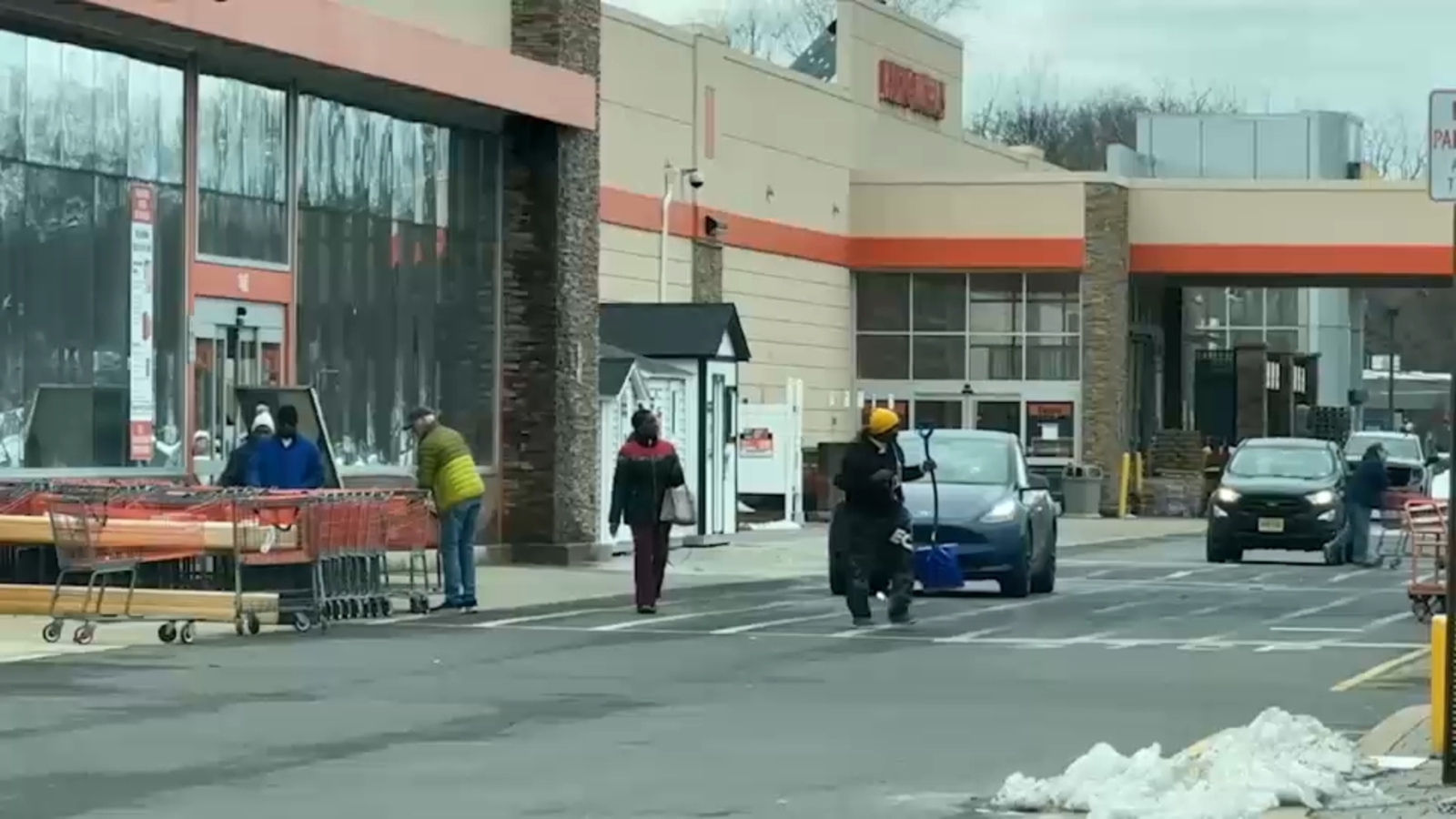
New Jersey Governor Mikie Sherrill declared a State of Emergency effective noon Sunday as a blizzard warning covers all 17 counties, with forecasts of 10–20 inches of snow, wind gusts up to 50–55 mph, and coastal flooding risks. State emergency operations will be activated at Level 2, officials warned of power outages and urged residents to stay off roads while crews prioritize clearing the Garden State Parkway and New Jersey Turnpike and mobilize search-and-rescue and high-wheeled vehicles to assist affected coastal and inland communities.
Market structure: Short, intense Northeast storms create clear winners (home-improvement retailers HD/LOW, generator/fuel retailers, diesel suppliers, restoration contractors) and near-term losers (regional airlines, coastal tourism, P&C insurers, affected municipal credits). Expect pricing power to shift (retail SKU sell-through +10-30% for storm-specific goods over 48–72 hours; spot natural gas and heating oil in the PJM/NY hubs can gap +5–15% intraday). Cross-asset: brief spikes in power prices (PJM/ISO-NE), higher implied volatility for regional utility/insurer equities, small downward pressure on short-dated municipal paper in coastal counties.
Risk assessment: Tail risk includes a coastal surge causing >$0.5–1.5bn insured loss concentrated in NJ — would widen P&C spreads and trigger reinsurance repricing. Time horizons: immediate (days) — retail and fuel demand spikes; short (weeks–months) — insurance claims flow, contractor backlog; long (quarters–years) — accelerated utility/muni capex and rezoning pressure. Hidden dependencies: generator/diesel supplychain (local depot inventories) and crew availability; catalysts include storm track shifts, restoration speed, state emergency spending and FEMA aid.
Trade implications: Direct short-term plays: long HD/LOW and prompt-month natural gas (UNG/futures) into the storm; medium-term: long restoration contractors (EME, potentially J) to capture 3–12 month capex. Use options to express short-dated demand spikes (weekly ATM calls on HD; 2–4 week call spreads on NG) while buying 30–60 day put spreads on large P&C names (TRV/PGR) as low-cost hedges against claim surprises.
Contrarian angles: The market will overemphasize a 48–72 hour retail pop and underweight the multi-quarter uplift to contractors and municipal infrastructure spending; similarly, consensus will underprice potential municipal credit stress in small coastal towns. Historical parallel: Superstorm Sandy produced modest retail pops but sustained gains for construction/utility contractors over 6–24 months. Unintended consequences include short-lived gasoline demand drop from road closures and politically accelerated utility regulation that can compress regulated ROEs over years.
AI-powered research, real-time alerts, and portfolio analytics for institutional investors.
Request DemoOverall Sentiment
moderately negative
Sentiment Score
-0.35
