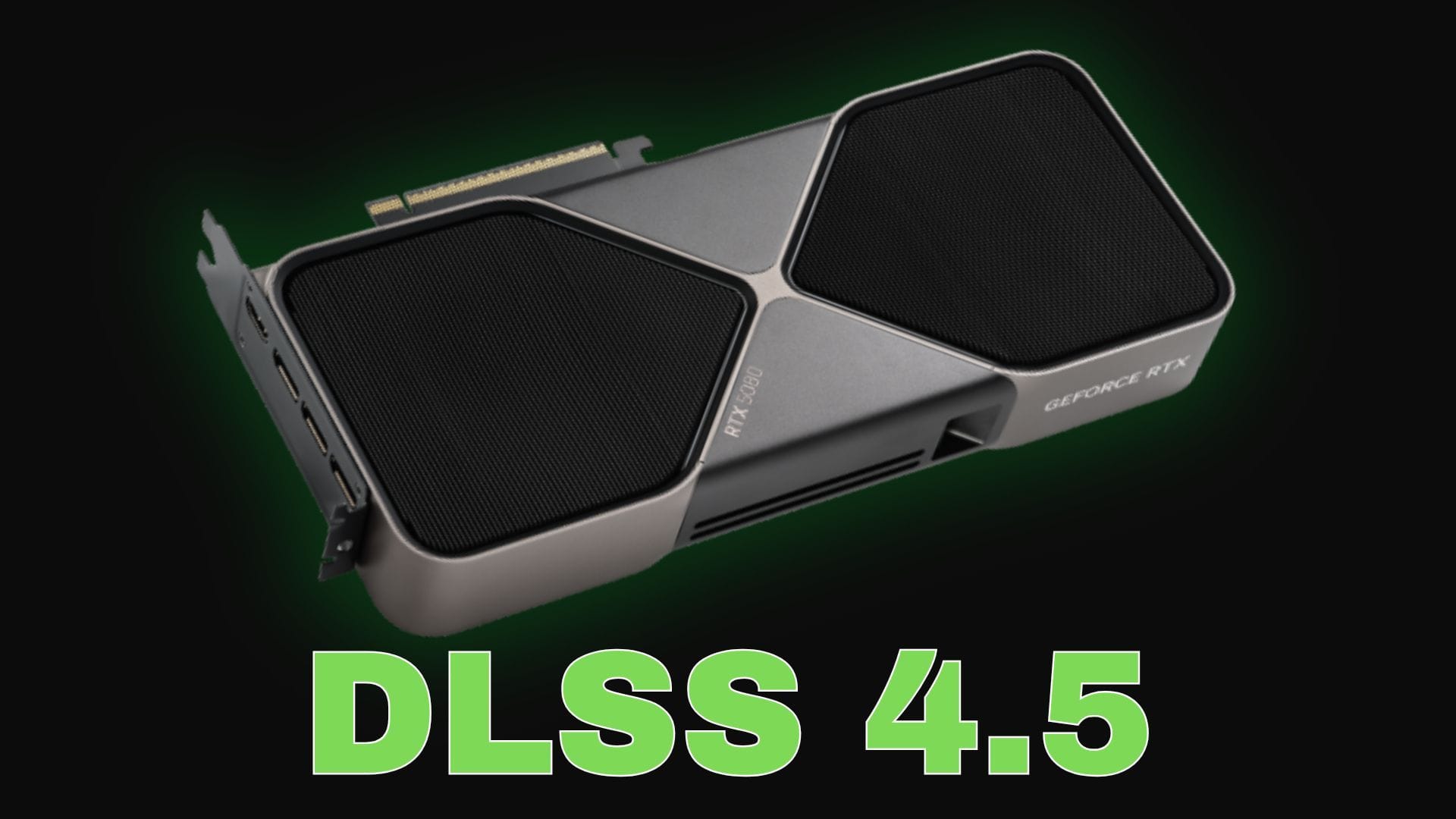
Nvidia's DLSS 4.5 introduces a second-generation transformer and a Dynamic/6x Frame Generation preset that rely on FP8 and faster Tensor paths, requiring native support found only on Ada Lovelace (RTX 40) and Blackwell (RTX 50) GPUs. The new model uses ~5× the compute of DLSS 4.0 and delivers ~15–16% FPS gains at 4K on high-end cards (e.g., RTX 4070 Ti Super and above) while causing 7–30% performance drops versus DLSS 4.0 on many 20/30-series and weaker 40-series cards; Nvidia recommends Model K for those weaker GPUs. The release shifts the value proposition toward buyers of modern Tensor-capable hardware, potentially strengthening demand for high-end GPUs but creating a trade-off between image quality and frame rates for a large installed base.
Market structure: Nvidia (NVDA) is the direct beneficiary — DLSS 4.5 concentrates value on Ada/Blackwell (RTX 40/50) hardware and increases the differentiation vs. older cards, implying potential ASP uplift for high-end GPUs and incremental revenue mix improvement over the next 2–4 quarters. Losers include mid/low-tier 20/30/older 40-series owners and competitors (AMD, INTC) who lack equivalent FP8/Tensor throughput; expect modest share gains in premium GPU segments but not immediate mass-market replacement given upgrade cycles (typical 3–5 year cadence).
Risk assessment: Key tail risks are regulatory (export controls on AI accelerators), rapid competitive parity from AMD/Intel within 6–18 months, and developer adoption lag; operationally a false-positive (consumer backlash from 7–30% perf drops on older cards) could compress near-term sales. Near-term (days–weeks) market moves will be driven by sentiment and game dev announcements; short-term (3–6 months) by sell-through/ASP data; long-term (12–36 months) by ecosystem lock-in and replacement cycles.
Trade implications: Direct alpha is NVDA long/option exposure to capture ASP/margin upside and equipment suppliers (TSM, ASML) that serve advanced nodes. Relative trades: long NVDA vs short AMD to express premiumization; tactical options (3–6 month call spreads) to limit drawdowns while capturing upside around quarterly results and major game releases.
Contrarian angles: Consensus may underweight the risk that DLSS 4.5 lowers upgrade incentive for mainstream buyers (slowing unit growth) because older GPUs run worse, which could temper upside versus current multiple. Historical parallels: incremental but not universal adoption seen with prior DLSS versions — game developer uptake and real-world benchmarks (sell-through >80% for 40/50 series) are required to validate a sustained re-rating.
AI-powered research, real-time alerts, and portfolio analytics for institutional investors.
Request DemoOverall Sentiment
mixed
Sentiment Score
0.05
Ticker Sentiment
