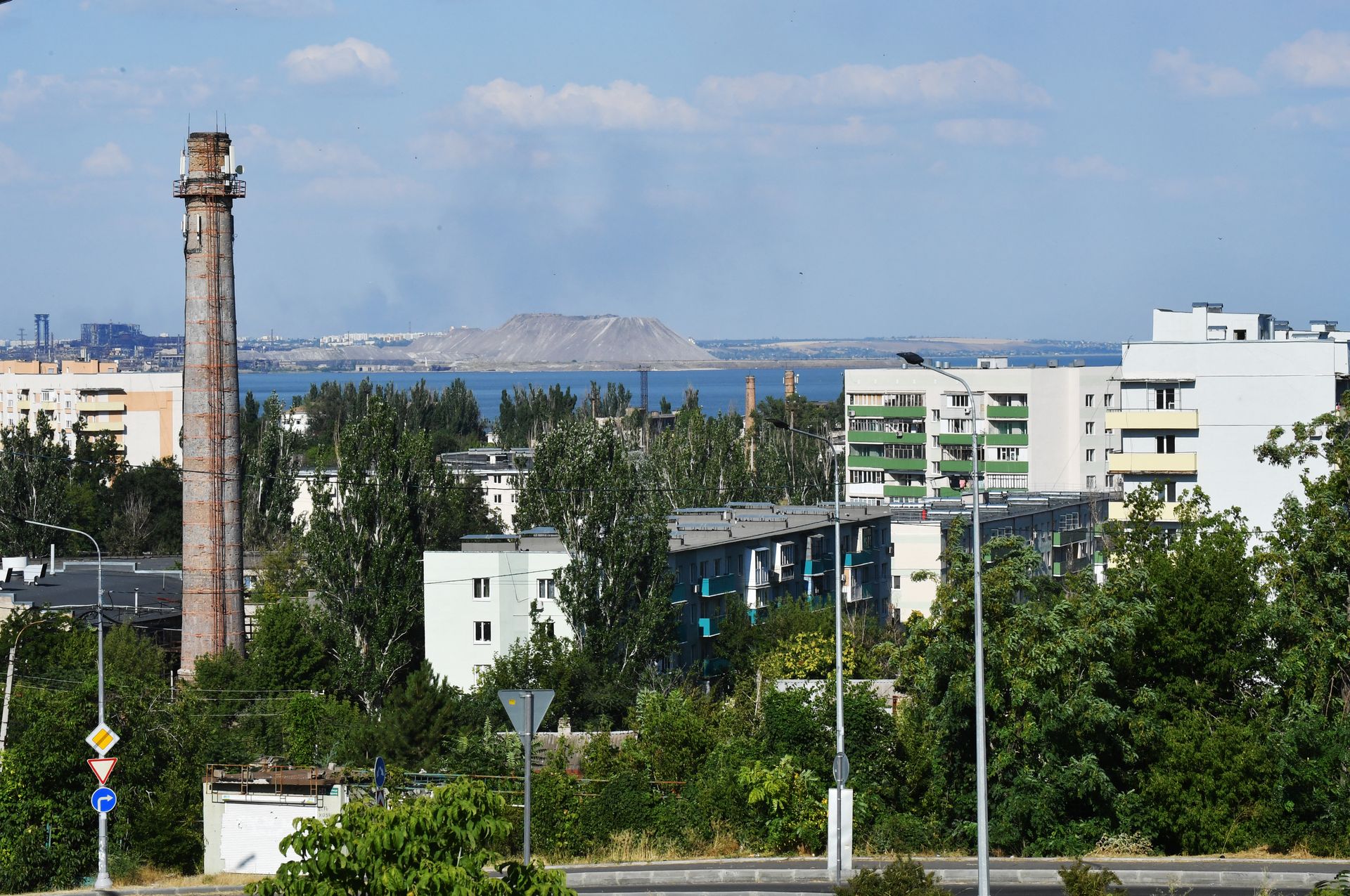
Russian-occupied territory reporting highlights escalating wartime damage and coercive control: 12 FSB officers were killed in a Ukrainian drone strike in Donetsk, at least 7 torture chambers are holding Zaporizhzhia nuclear plant staff, and Russia is intensifying coastal mining in Crimea. The article also points to population replacement in Mariupol, where 75% of new apartment buyers are Russians, while communication with occupied areas is degrading as Telegram becomes unreliable. The news reinforces ongoing geopolitical and infrastructure risks across occupied Ukraine.
The investable signal here is not the headline violence itself, but the accelerating shift from a frozen conflict to a durable occupation economy. Moscow is pairing coercion with capex: housing, mortgages, telecom controls, and land-use rewrites all point to a multi-year attempt to lock in demographic change and normalize administration. That is economically inefficient in the near term, but it improves regime durability by making reversal more expensive and slower than battlefield headlines imply.
For regional markets, the key second-order effect is persistent infrastructure distortion: housing replacement and coastal mining both increase logistics friction and raise reconstruction optionality premiums, but only for entities that can survive political risk and insurance exclusion. The telecom disruption matters because it degrades civilian coordination, remittances, and local commerce, which should further suppress any near-term consumption rebound in occupied areas. Over months, this favors vendors of surveillance, hardened communications, drones, demining, and reconstruction tooling outside the occupied zone more than any on-the-ground real estate exposure.
The contrarian point is that the market may underprice the durability of low-intensity occupation even as it overprices rapid territorial change. If the front stabilizes, Russian state-linked spending could create a misleading veneer of normalcy in select occupied cities while simultaneously destroying optionality for displaced owners and future claim recovery. The bigger tail risk is not a quick breakthrough, but a slow entrenchment that makes eventual restitution legally and financially messy over years.
AI-powered research, real-time alerts, and portfolio analytics for institutional investors.
Request DemoOverall Sentiment
strongly negative
Sentiment Score
-0.65
