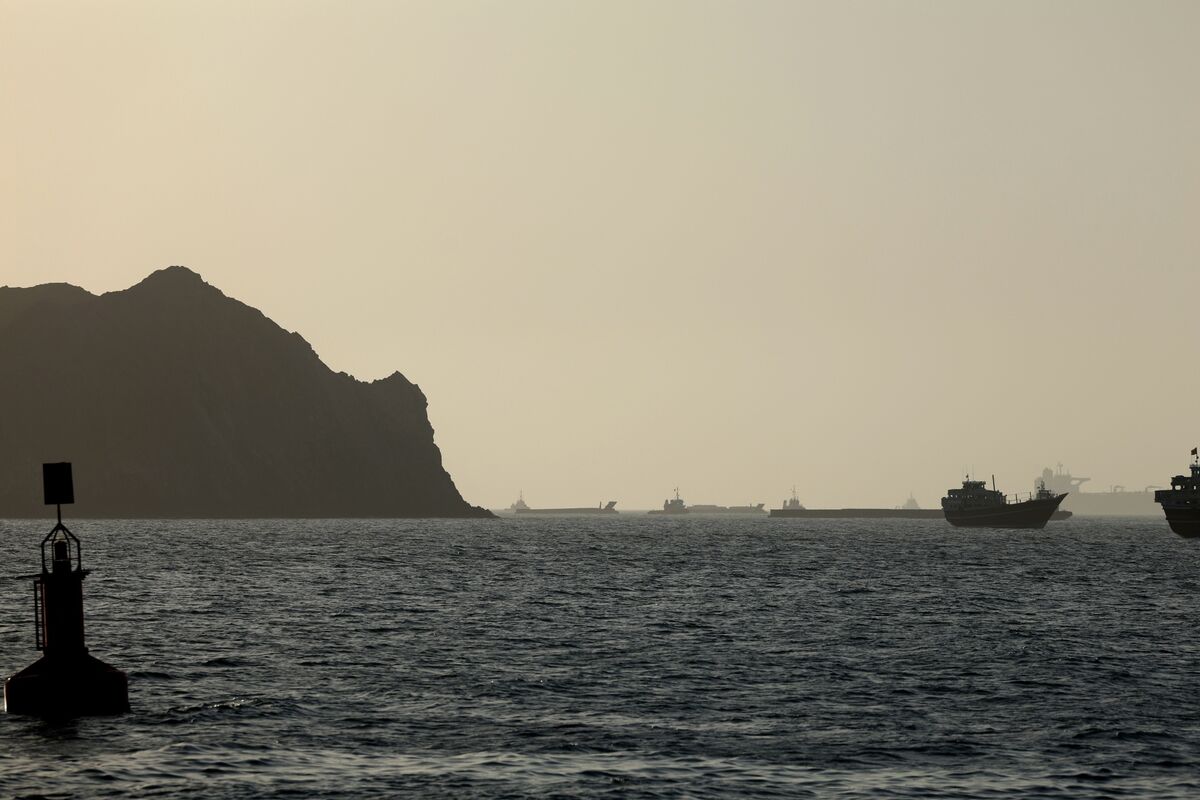
The Strait of Hormuz reopening is set to trigger a major restart of oil field operations after the Iran war caused the biggest production cut in history. The article says billions of dollars hinge on how quickly the waterway can be fully reopened, underscoring a high-impact disruption to global oil supply and regional logistics. Until the reopening timeline is clear, energy markets remain exposed to elevated volatility and supply risk.
The market is likely underpricing how much of the damage is logistical rather than purely volumetric. Once a chokepoint reopens, the first-order pop is easy to model, but the second-order effect is a messy restart curve: deferred cargoes, berth congestion, insurance resets, and staggered well restarts can keep effective supply tight for weeks even if headlines flip to "resolved." That creates a favorable setup for energy volatility to stay bid while outright crude may lag a bit behind the physical tightening.
The biggest beneficiaries are not just upstream producers, but anyone with optionality on timing: offshore drillers, tanker operators, and refiners with flexible crude slates. The laggards are high-cost exporters that depend on smooth evacuation and long supply chains; they will face elevated demurrage, working-capital strain, and potentially lower realized prices if regional bottlenecks force forced sales. A less obvious loser is industrials and airlines: even a short-lived risk premium can bleed through into jet fuel and bunker spreads before crude fully reprices.
Catalyst path matters more than direction here. If the reopening is orderly, the risk premium can unwind within days, but if restart sequencing takes months, we can get a second-wave trade in volatility rather than flat price. The tail risk is a renewed incident during the restart window, which would likely gap prompt crude far more than deferred contracts and steepen the curve sharply; that favors time spreads and options over directional beta.
Consensus may be too focused on headline peace and not enough on the physical reset mechanics. Historically, after geopolitically induced supply shocks, the fastest money is made in assets tied to uncertainty persistence, not the eventual level of oil. The real question is whether the market discounts a clean normalization too quickly; if so, near-dated crude vol looks cheap relative to the probability of restart friction and intermittent outages.
AI-powered research, real-time alerts, and portfolio analytics for institutional investors.
Request DemoOverall Sentiment
strongly negative
Sentiment Score
-0.60
